
How Much Does a New Garage Door Cost? What Changes the Price
By the H&D Garage Door team · Updated
How much does a new garage door cost?
The cost of a new garage door depends on about eight choices: the size of the opening, the material and its thickness, whether the door is insulated and how, windows and decorative hardware, any wind-load rating your area requires, whether the springs, track and opener are replaced, removal of the old door, and any permit your city asks for. Change one of those and the installed price moves with it.
We quote a new door after measuring the opening and talking through what you want, because two doors that look alike in a brochure can be built very differently. If you are still deciding whether to replace at all, start with our guide on whether to repair or replace your garage door. If replacement is settled, the sections below explain what each choice does to the price.
How does the size of your opening affect the price?
Size is the starting point. Most homes have openings that fit standard single-car or two-car door sizes, which manufacturers build in volume. A taller door for a truck, van or camper, an extra-wide opening, or an older garage with an unusual opening may need a custom or special-order door, and that changes both the door's price and the lead time.
The space around the opening matters as much as the opening itself. An installer measures the headroom above the door, the side room on each side for the track brackets, and the depth of the garage for the horizontal track. Tight headroom can call for special low-headroom track and spring hardware. On a two-car garage with a center post, it is also worth comparing two single doors with one wide door, since each uses different hardware and springs.
How do material and steel thickness change the price?
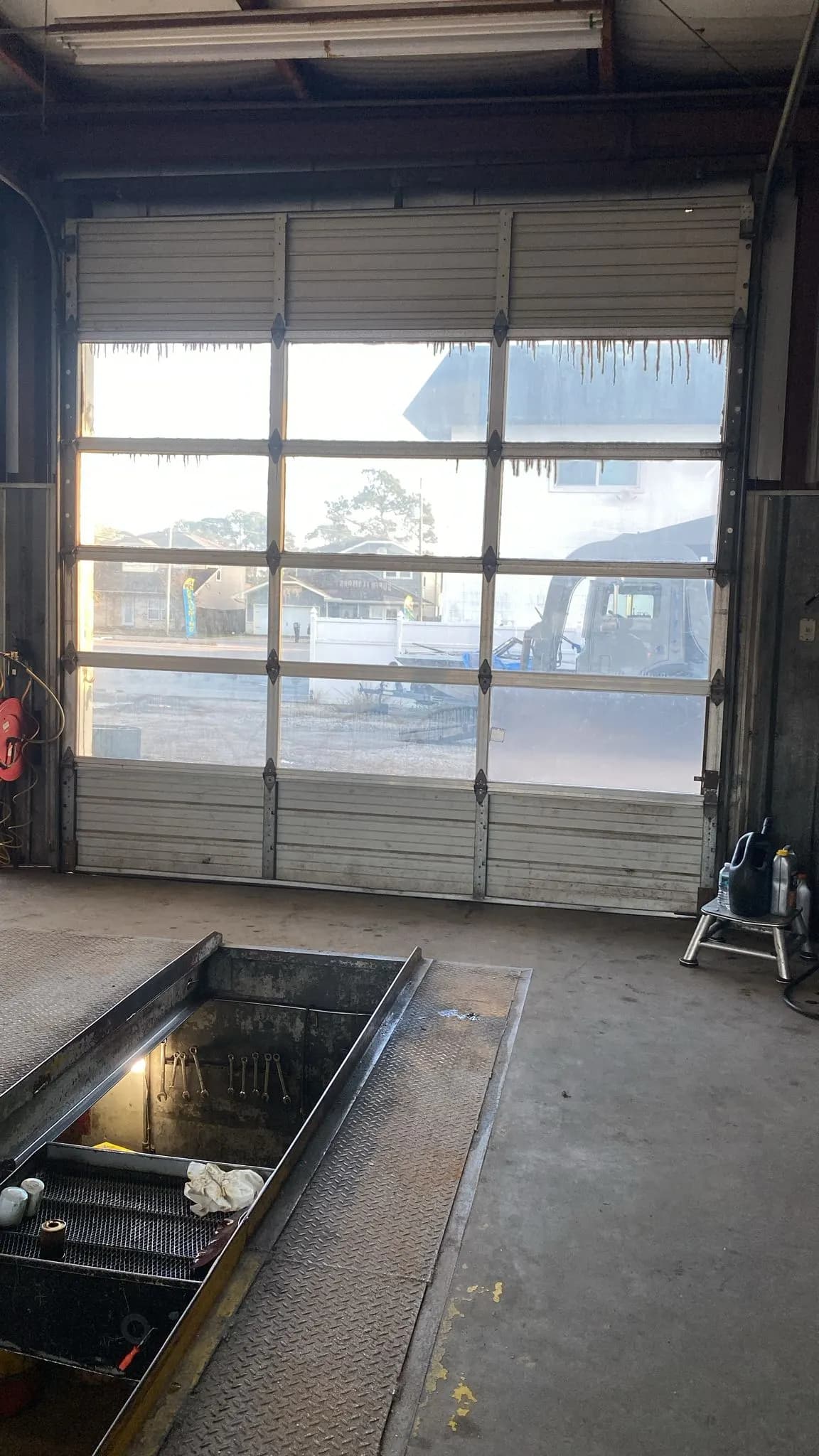
Material is one of the biggest price drivers. Steel is the most common choice and is offered from thin single-layer pans up to thicker steel in double- or triple-layer construction. A lower gauge number means thicker steel, and thicker, layered doors resist dents better and usually cost more. Aluminum and glass, fiberglass, composite and real wood each sit at different points on the price scale and carry different upkeep. Our garage door materials guide compares them side by side, so we won't repeat that here.
Is an insulated garage door worth paying for?
Insulation adds to the price, and how much depends on the type. Polystyrene panels are fitted or glued into the door sections. Polyurethane foam is injected and bonds to the steel, which tends to make a stiffer, quieter door with a higher rating for the same thickness.
Read R-values with care. DASMA, the industry's trade group, explains that the R-value printed on a brochure is calculated for the insulated section, not the whole door with its joints, edges and seals. A tested U-factor, measured on a complete door under a separate DASMA standard, describes the door as installed. When you compare doors, compare numbers from the same method.
Climate helps decide whether the money is well spent. In Cleveland and Milwaukee, an insulated door keeps an attached garage warmer through long freezes and helps if there is a bedroom above it. In Nashville, with hot summers and short cold snaps, it evens out both seasons. In Orlando the gain is mostly less heat soaking into the garage through a sunny door. An insulated door is also heavier, which affects the springs and opener chosen for it.
How do windows, style and hardware change the price?
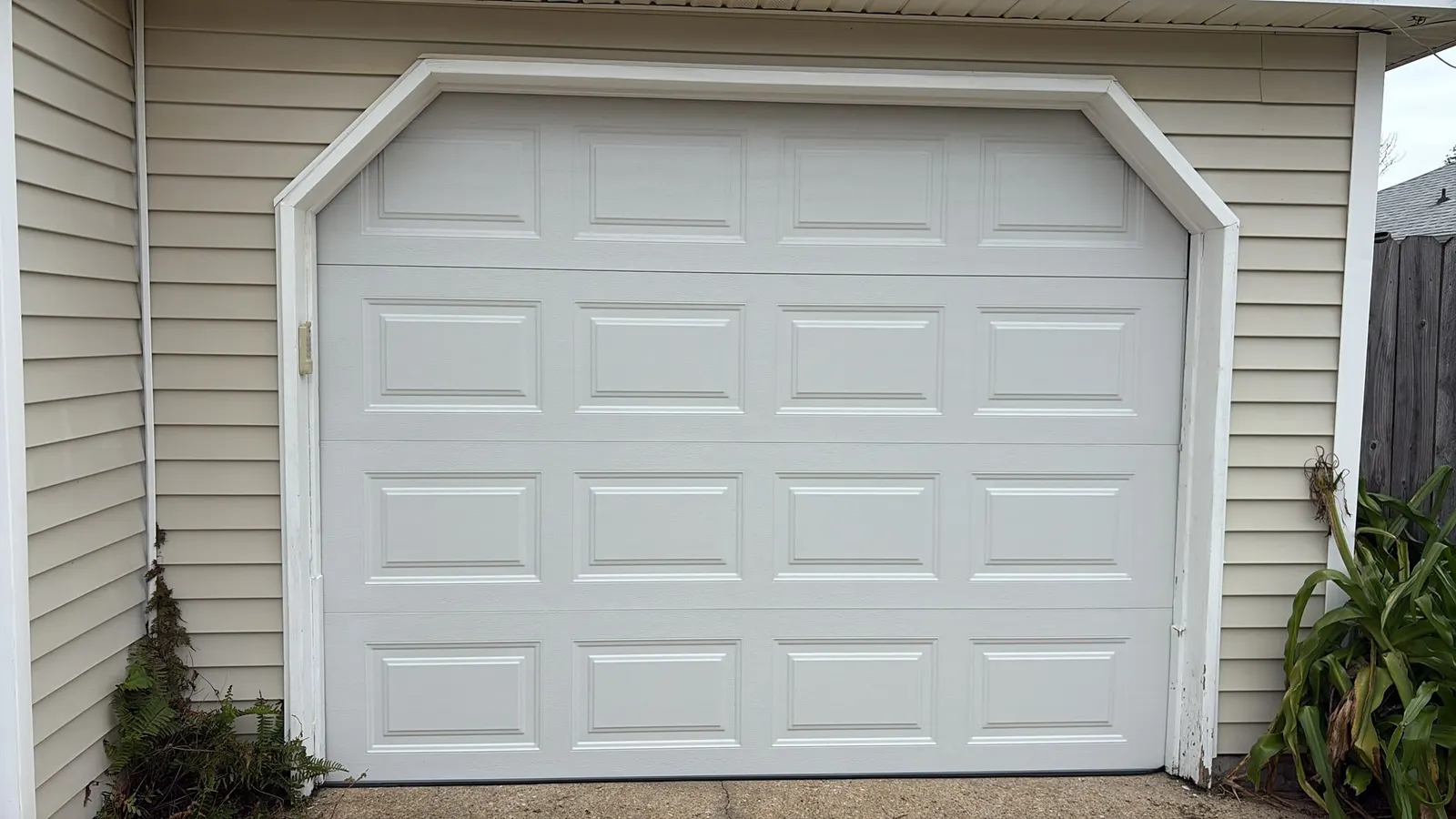
Glass, design details and decorative hardware are where a door's look comes from, and each adds to the cost. A row of windows in the top section is the simplest step. Insulated glass, obscure or frosted glass for privacy, and special window shapes cost more. Carriage-house styles with overlays, raised or recessed panels, flush modern panels and woodgrain textures each have their own price point, as do factory colors beyond the basic choices.
Decorative handles and strap hinges are inexpensive compared with the door, but they add up across a two-car door. If you live in a community with an HOA, check its rules on color, windows and style before you order. A door that has to be swapped because it doesn't meet the association's standards is the most expensive door of all.
Does a Florida wind-load rating change the price?
In Florida, it is one of the bigger factors. The Florida Building Code requires a new or replacement garage door to be rated for the wind pressure at your home. Higher design pressures usually mean steel reinforcement struts across the sections, heavier track and hinges and more anchoring at the jambs, all of which add to the cost. An impact-rated door, tested against flying debris, costs more again, though most of inland Central Florida does not require one.
The rating also depends on the opening size and the home's exposure, so it is part of the quote rather than an add-on you choose. Our guide to hurricane garage door requirements in Florida explains the rules for the Orlando area.
Should you reuse the springs, tracks and opener?
Springs and track usually come with the new door, and that is part of what you pay for. The old springs were sized to the old door's weight. A new door, especially an insulated or wind-reinforced one, is almost never the same weight, so reusing them leaves it out of balance. Old track may also be bent, rusted or the wrong size for the new sections.
The opener is a real choice. If it is fairly new, quiet, has working photo-eye sensors and can handle the new door, it can often be reconnected and adjusted. If it is old, noisy or already giving trouble, replacing it during the same visit saves a second appointment. Our garage door opener installation page covers what that involves, so you can weigh it against keeping the old unit.
Do removal, disposal and permits add to the cost?
Taking down the old door and hauling it away is labor and disposal, so ask whether it is included in the quote. Removal sometimes uncovers problems that have to be fixed before the new door can be mounted, such as rotted wood jambs, a soft header or damaged weatherstop trim. Those repairs are hard to price until the old door is off, so a good quote says how they would be handled.
Permit rules vary from city to city and county to county. Some places require a building permit for a garage door replacement and some don't, and in Florida the wind rating is often part of that paperwork. Check with your city or county building department, and ask your installer who handles the permit if one is needed.
How do you get an accurate installed quote?
You'll get a more useful quote if you decide a few things ahead of time and ask the same questions of every company you talk to.
- Measure the opening's width and height, and note anything unusual about it
- Decide whether you want insulation, and which climate problem you are solving
- Choose roughly what you want for windows, style and color, and check HOA rules
- Ask whether new springs, track, weatherseal and hardware are included
- Ask whether removal and haul-away of the old door are included
- Ask about the opener: reuse, adjust or replace
- Compare quotes for the same door model, thickness and insulation type
Ready to price a new door?
Our garage door installation page explains how a replacement visit runs from measuring to the final test. In Central Florida, our Orlando garage door installation page covers local details. Call (888) 754-4130 to set up a time to measure and talk through your options.