
Is an Insulated Garage Door Worth It? A Cold-Climate Guide
By the H&D Garage Door team · Updated
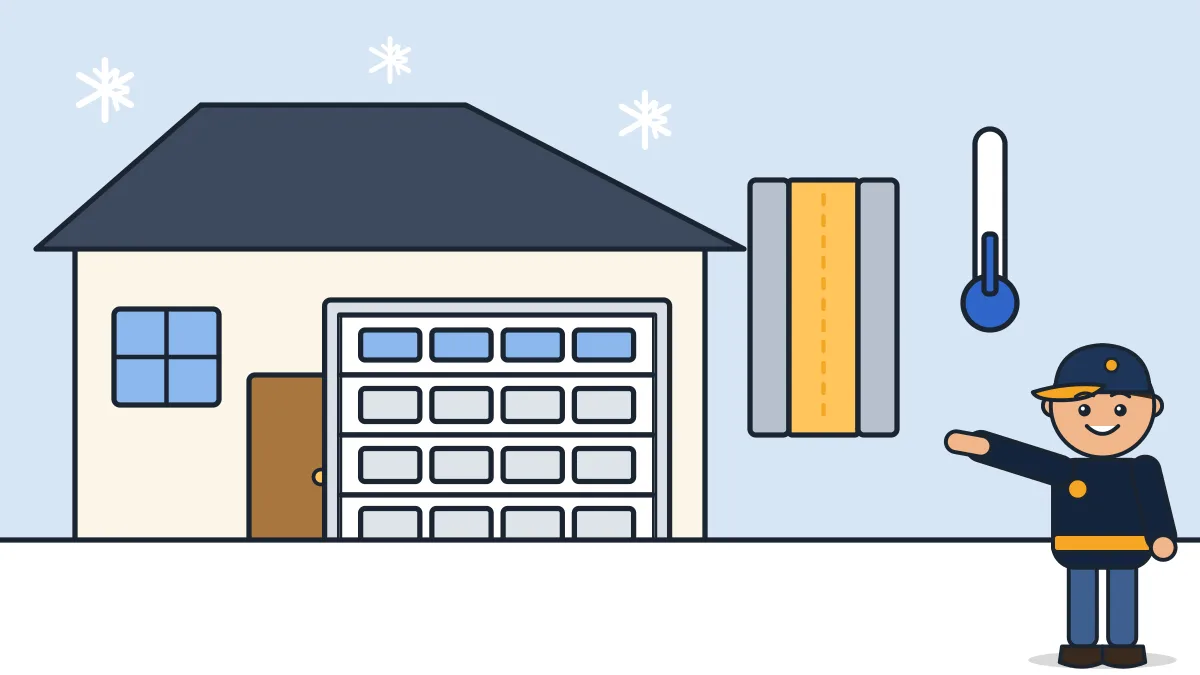
Is an insulated garage door worth it?
An insulated garage door is worth it when your garage is attached to the house, has a bedroom or bonus room above or beside it, or gets used as a workshop, gym or laundry space, and it matters most in cold-winter places like Cleveland and Milwaukee. It is a weaker case for a detached garage used only to park a car in a mild climate. Insulated doors are also stiffer and quieter than single-layer doors, which some homeowners value as much as the temperature.
The door is only one surface of the garage, though. If the walls and ceiling aren't insulated, or the door leaks air around its edges, an insulated door does less than the label suggests. The sections below help you judge your own garage.
When does insulation make a real difference?
The more your garage is connected to how you live, the more an insulated door pays off in comfort. These are the situations where homeowners notice it most.
- The garage shares a wall with the house. A colder garage pulls heat out of the mudroom, kitchen or hallway on the other side of that wall.
- There's a room above the garage. Bonus rooms and bedrooms over a garage are often the coldest rooms in the house in winter and the warmest in summer.
- You work or work out in the garage. A bench, a home gym or a hobby space is far more usable when the door isn't a giant cold plate.
- Things in the garage don't like the cold. A washer and dryer, a second fridge or freezer, water lines or paint and other supplies all do better in a garage that stays milder.
- You want a quieter door. Insulated sections dampen rattle and vibration, which matters with living space nearby.
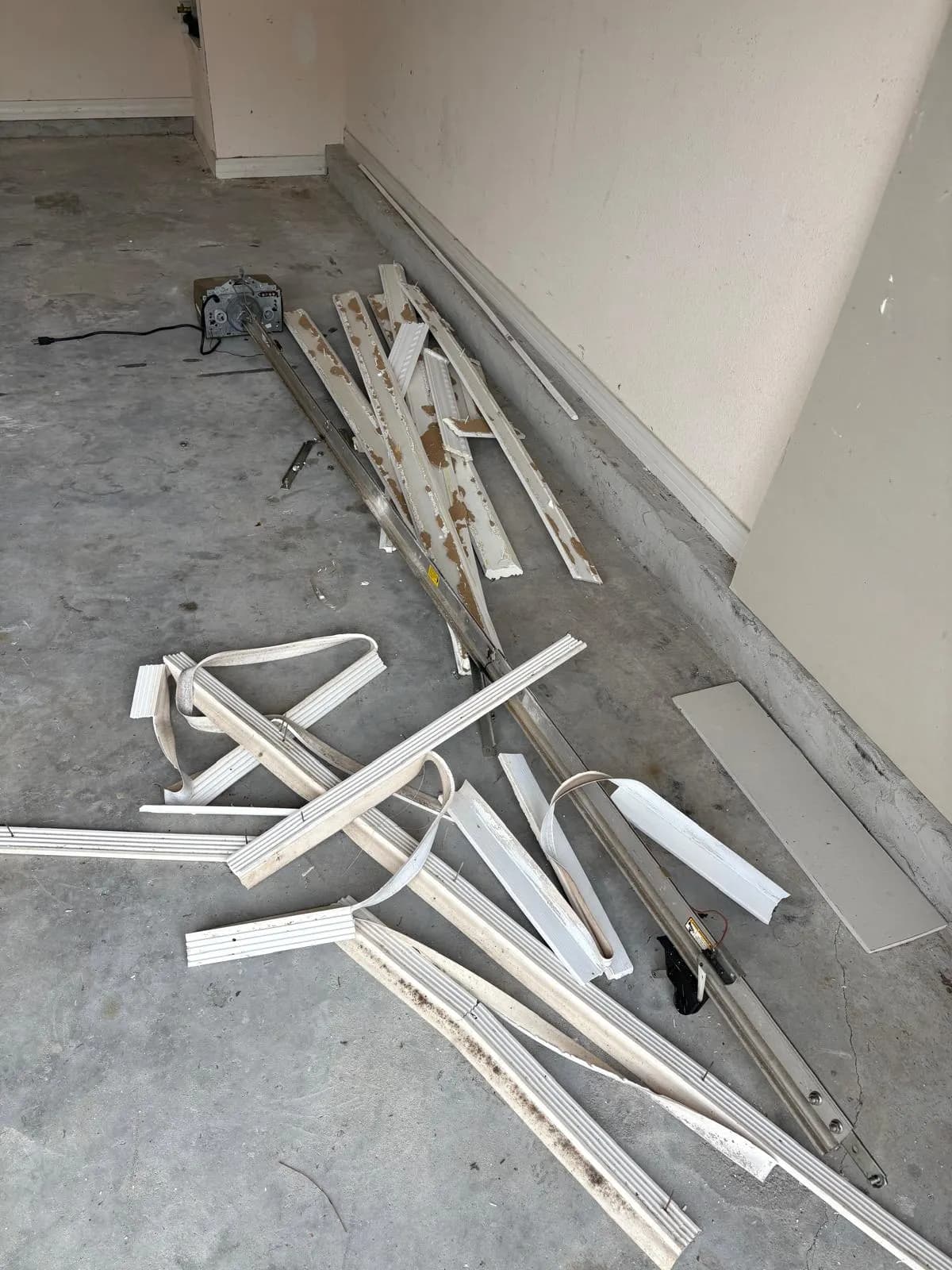
When does an insulated door matter less?
A detached garage that you only park in sees much less benefit, because there's no living space for the cold to reach. The same goes for a garage whose walls and ceiling are bare studs. Heat leaves through every uninsulated surface, so improving only the door leaves most of the problem in place. And if the door stays open for long stretches while you work in the driveway, the insulation has little chance to help. None of this makes an insulated door a bad choice. It just means the comfort gain is smaller, and you can weigh it against other features.
What does R-value on a garage door actually tell you?
R-value measures resistance to heat flow. Higher is better. The catch with garage doors is how the number is produced. DASMA, the door industry's trade association, publishes the method most manufacturers use, and it calculates R-value for a single door section: the steel skins, the insulation and the air films on each side. It leaves out the joints between sections, the end stiles and the edges, which is where much of the heat actually escapes. DASMA itself says that calculated number shouldn't be used to describe the whole installed door.
A better number exists for the complete door. Some manufacturers publish a tested U-factor, measured on a whole door under a separate DASMA standard. U-factor works the opposite way from R-value: lower means less heat gets through. When you compare doors, ask three things.
- Is this R-value calculated for the section, or is there a tested U-factor for the whole door?
- Are both doors I'm comparing rated with the same method?
- What seals come with the door at the bottom, along the sides and between sections?
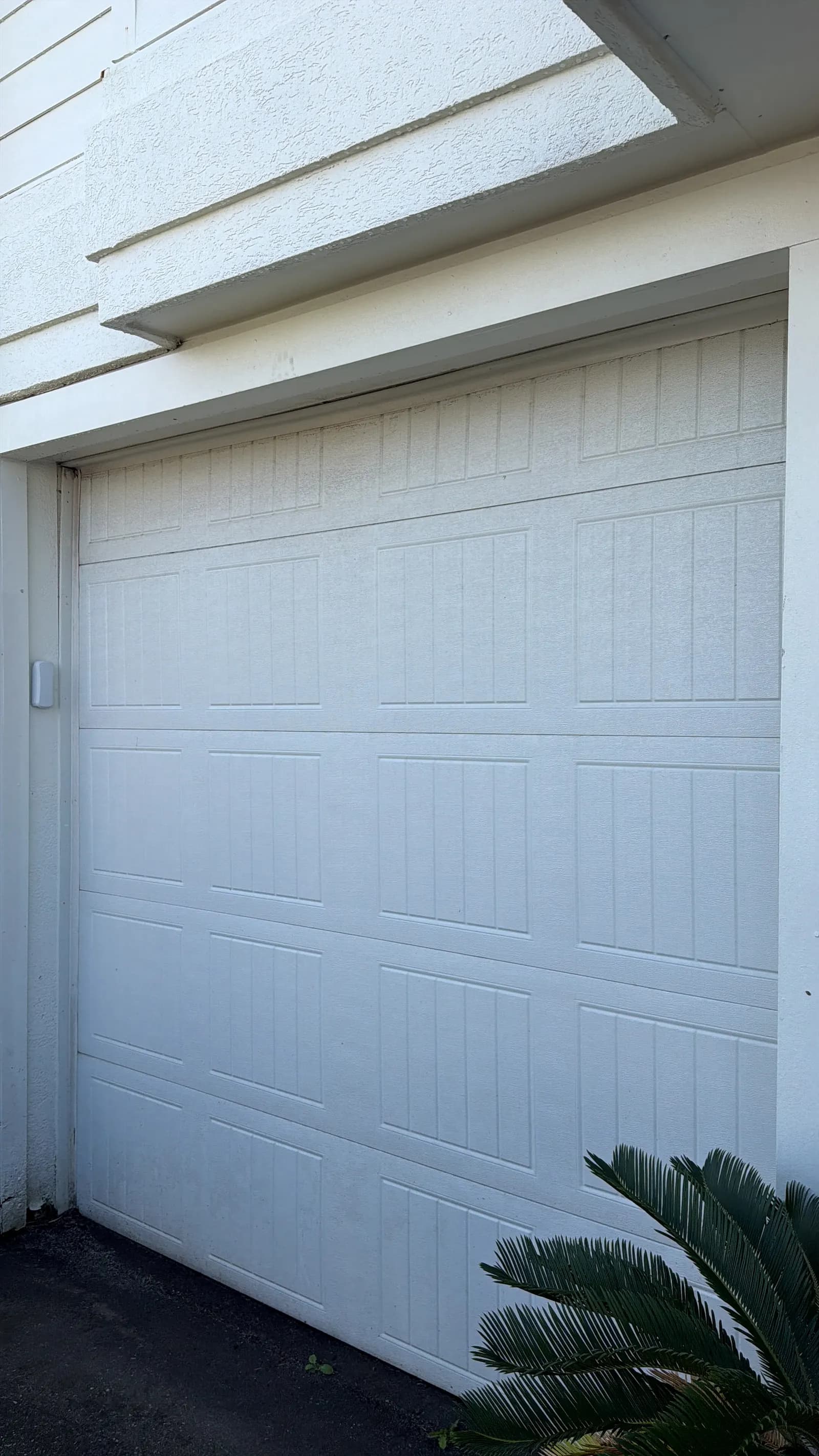
Polystyrene vs polyurethane: what's the difference?
Both are foam, and they go into the door in different ways. Polystyrene comes as rigid boards cut to fit and set into each section. Polyurethane is foamed into the section, where it expands to fill the space and bonds to the steel. Manufacturers rate polyurethane higher per inch of thickness, and because it bonds to the skins, it makes the section stiffer, more dent-resistant and quieter.
How the door is built matters as much as the foam. A single-layer door is just a steel skin with no insulation. A two-layer door adds insulation behind the outer skin, sometimes with a vinyl backing. A three-layer door sandwiches the insulation between two steel skins, which protects the foam and gives the most rigid panel. Some three-layer doors also add a thermal break, a strip that keeps the inner and outer steel from touching so cold isn't conducted straight through. If you're deciding between steel, wood and other materials in the first place, our guide to the best material for a garage door covers that question.
Why do seals and weatherstripping matter as much as insulation?
Insulation slows heat moving through the panels. It does nothing about air moving around them. A well-insulated door with a torn bottom seal or gaps at the sides still lets in a steady draft, and on a windy day that air leak can matter more than the foam inside the panels.
A properly sealed door has three lines of defense. The bottom seal closes the gap at the floor, and it should match the floor, since a concrete slab that has settled or sloped may need a thicker seal or a threshold. The perimeter seal along the top and sides presses against the door when it closes. And the joints between sections should seal as they come together, which better insulated doors are designed to do.
You can check yours safely. On a bright day, close the door, turn off the garage lights and look for daylight along the bottom, the sides and between the sections. Daylight means air. Seals are a much smaller job than a new door, and a maintenance visit includes checking them.
What about Cleveland and Milwaukee winters?
Northeast Ohio and southeast Wisconsin are where this question comes up most. Long stretches below freezing, wind off Lake Erie and Lake Michigan, and lake-effect snow on Cleveland's east side all work against an uninsulated door. Many homes in the newer suburbs of both metros have attached two- and three-car garages with rooms above or beside them, which is exactly the case where insulation makes a difference you can feel.
Older homes are a different story. Cleveland's inner-ring suburbs and Milwaukee's older neighborhoods have plenty of detached garages, some on alleys, where an insulated door is more about a stiffer, quieter panel than about heat. For local options, see garage door installation in Cleveland and garage door installation in Milwaukee. If your concern is springs, openers and frozen doors rather than comfort, our guide to cold-weather garage door problems covers those.
Does an insulated door matter in Florida or Tennessee?
It matters differently. In Orlando the problem is heat, not cold. A sunny, south- or west-facing door turns the garage into an oven by afternoon, and an insulated door slows that heat gain into a room next to or above the garage. In Florida, though, wind rating usually drives the door choice first. Florida wind-load rules are a separate topic from insulation, so ask about both when you shop.
Nashville gets both: hot, humid summers and winter cold snaps. An insulated door helps in each season, mainly for attached garages and rooms over the garage.
Does an insulated door change the springs and opener?
It can. An insulated door, especially a three-layer one, is heavier than a single-layer door of the same size. The springs are sized to the door's exact weight, so a new insulated door gets springs matched to it, and the opener needs to be rated for it. When we replace a door, we check whether the existing opener is a good fit.
That weight is also why adding foam panels to an existing door is a bigger change than it looks. Extra pounds throw off the balance the springs were set for. If you've added insulation to a door, have the balance checked by a technician. Spring adjustment is not a homeowner job.
What affects the price of an insulated garage door?
The type of insulation, its thickness, and whether the door is two-layer or three-layer construction are the main insulation factors. On top of those come the door's size, style and windows, a wind-load rating where the code calls for one, the seals included, and whether the springs, track or opener need to change for the heavier door. Our guide to new garage door cost walks through each of those factors.
We don't publish prices, because the right door depends on your opening and how you use the garage. Call (888) 754-4130 and we'll set up a visit to measure the opening and go over the options. Our garage door installation page explains how the process works.