Signs you need cable repair
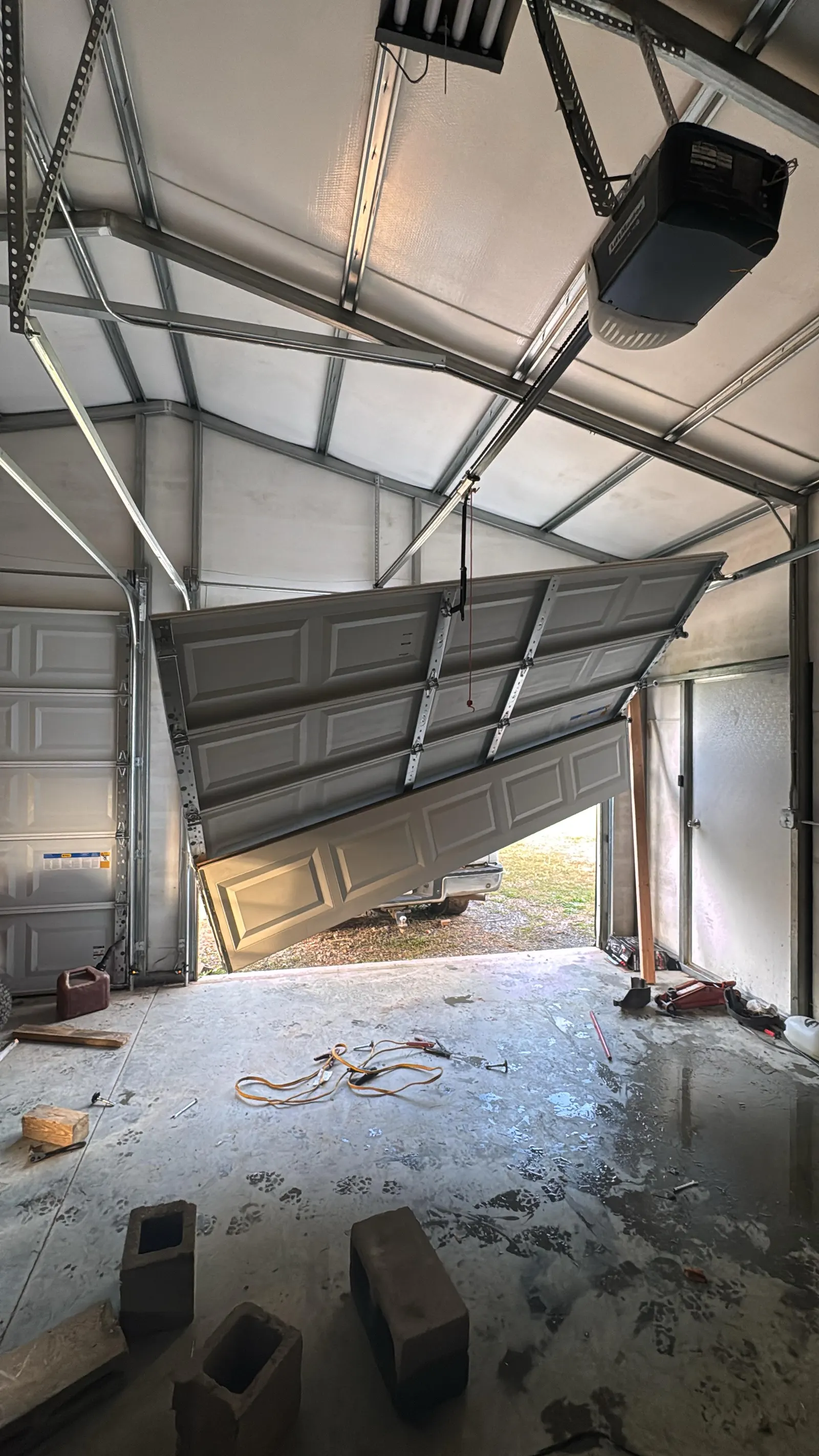
- The door hangs crooked, with one side lower than the other
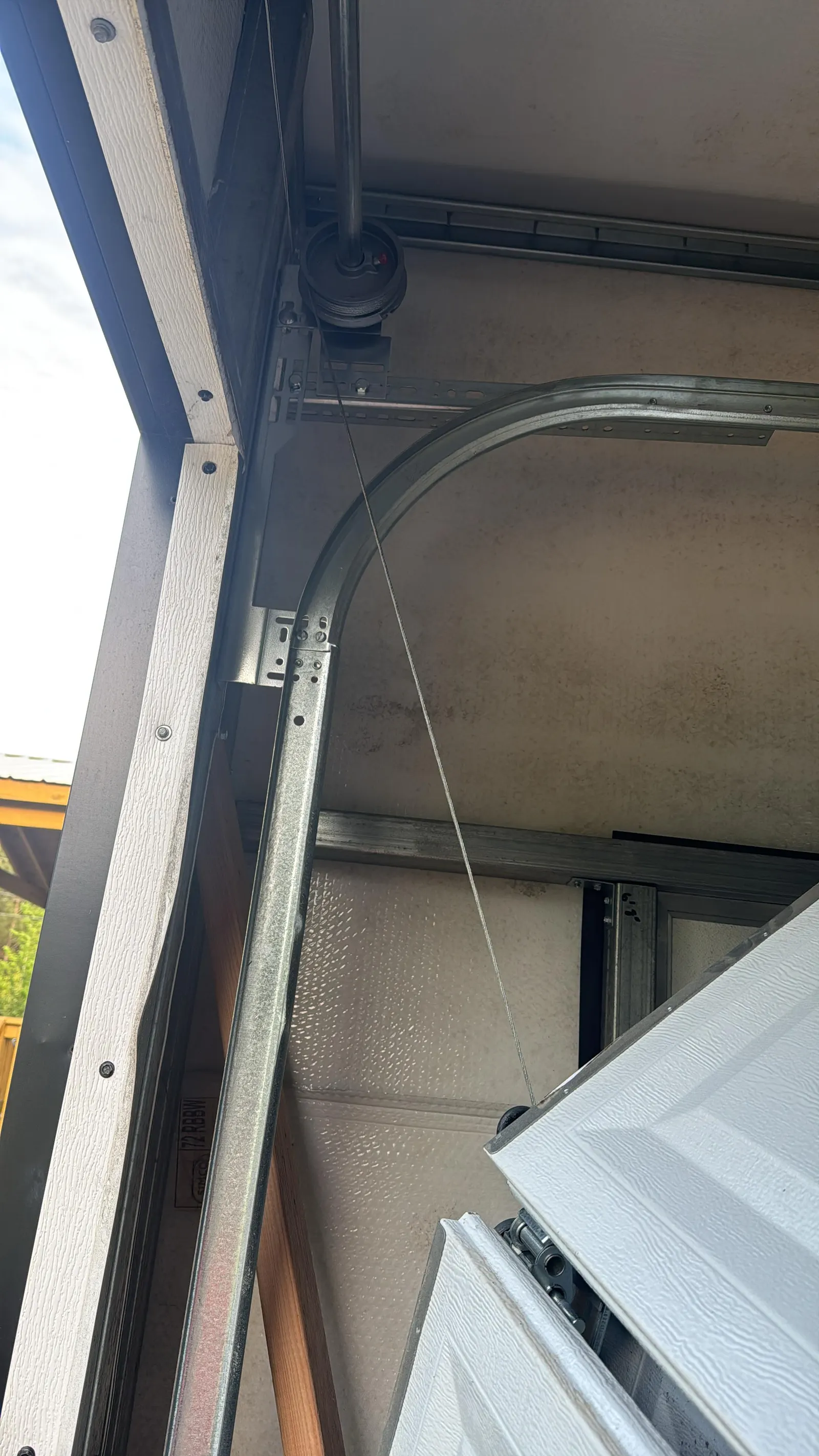
- A cable is slack, hanging loose or lying on the floor
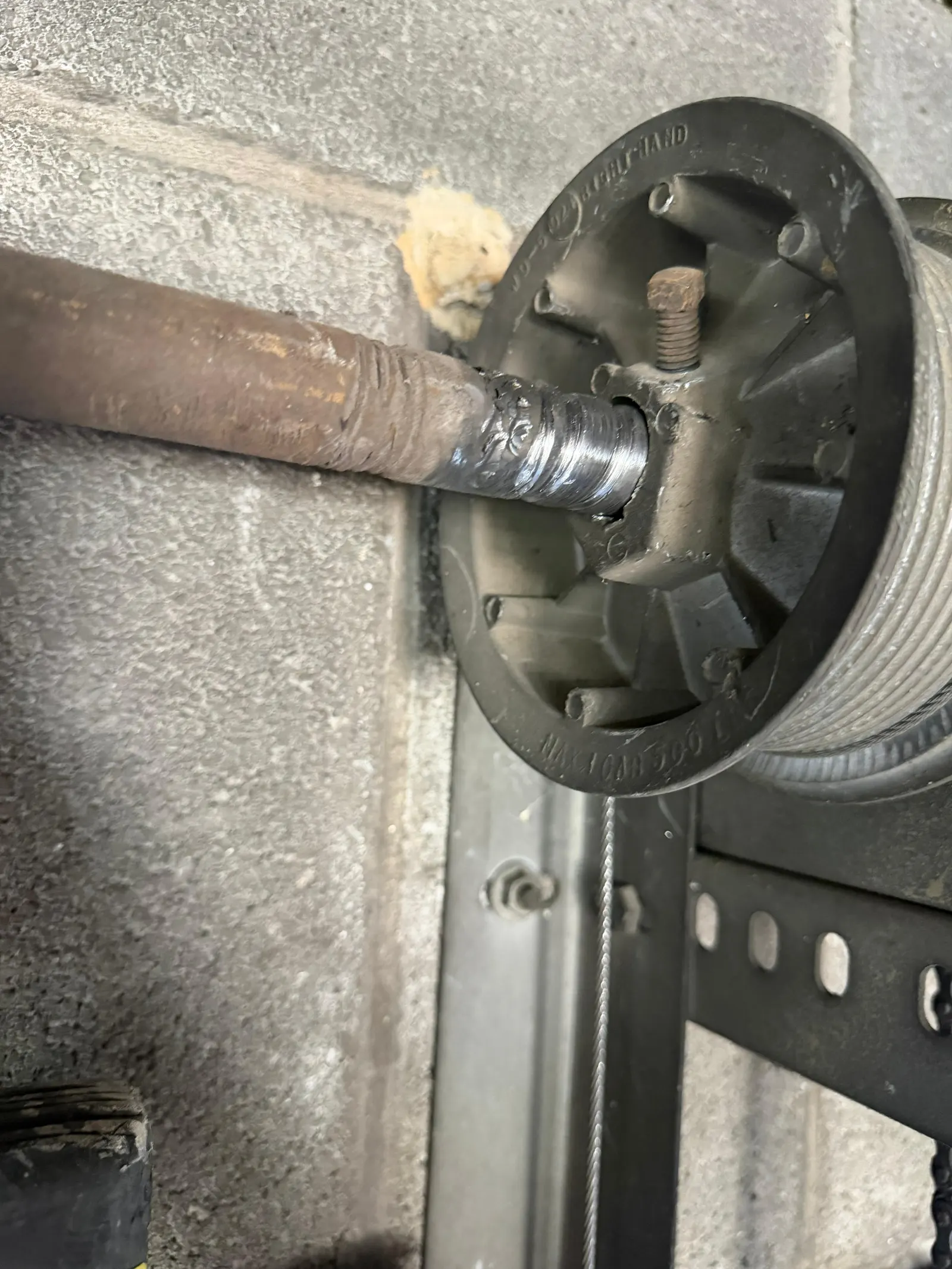
- You can see frayed strands or rust along the cable
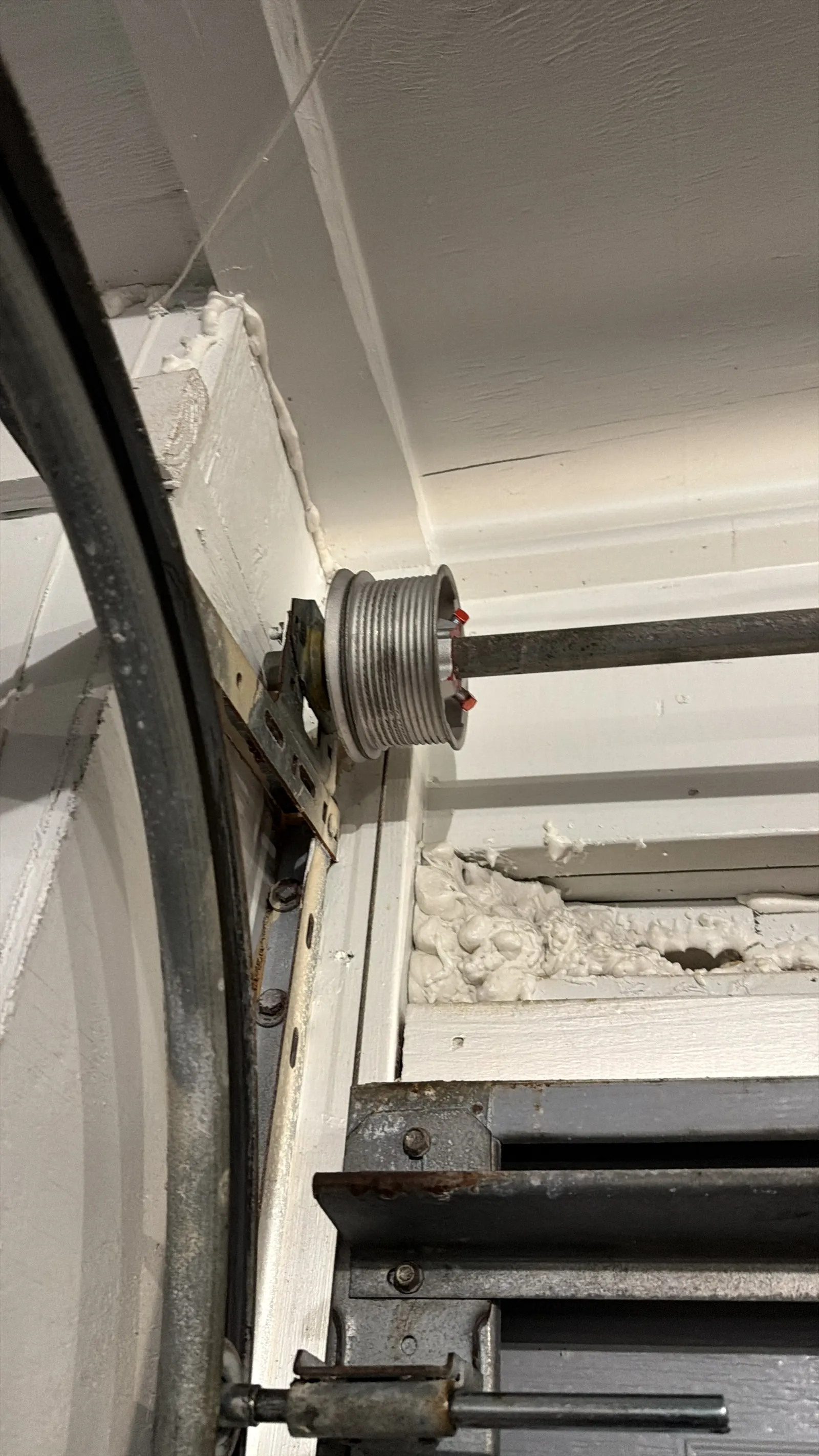
- The cable has jumped off the drum at the top corner of the door
- A loud snap or bang came from the garage, followed by a door that won't lift
- The door rises a few inches, then stops or jerks
- The opener strains or reverses even though nothing is in the way
- On an extension spring door, a cable has come off its pulley
What do garage door cables actually do?
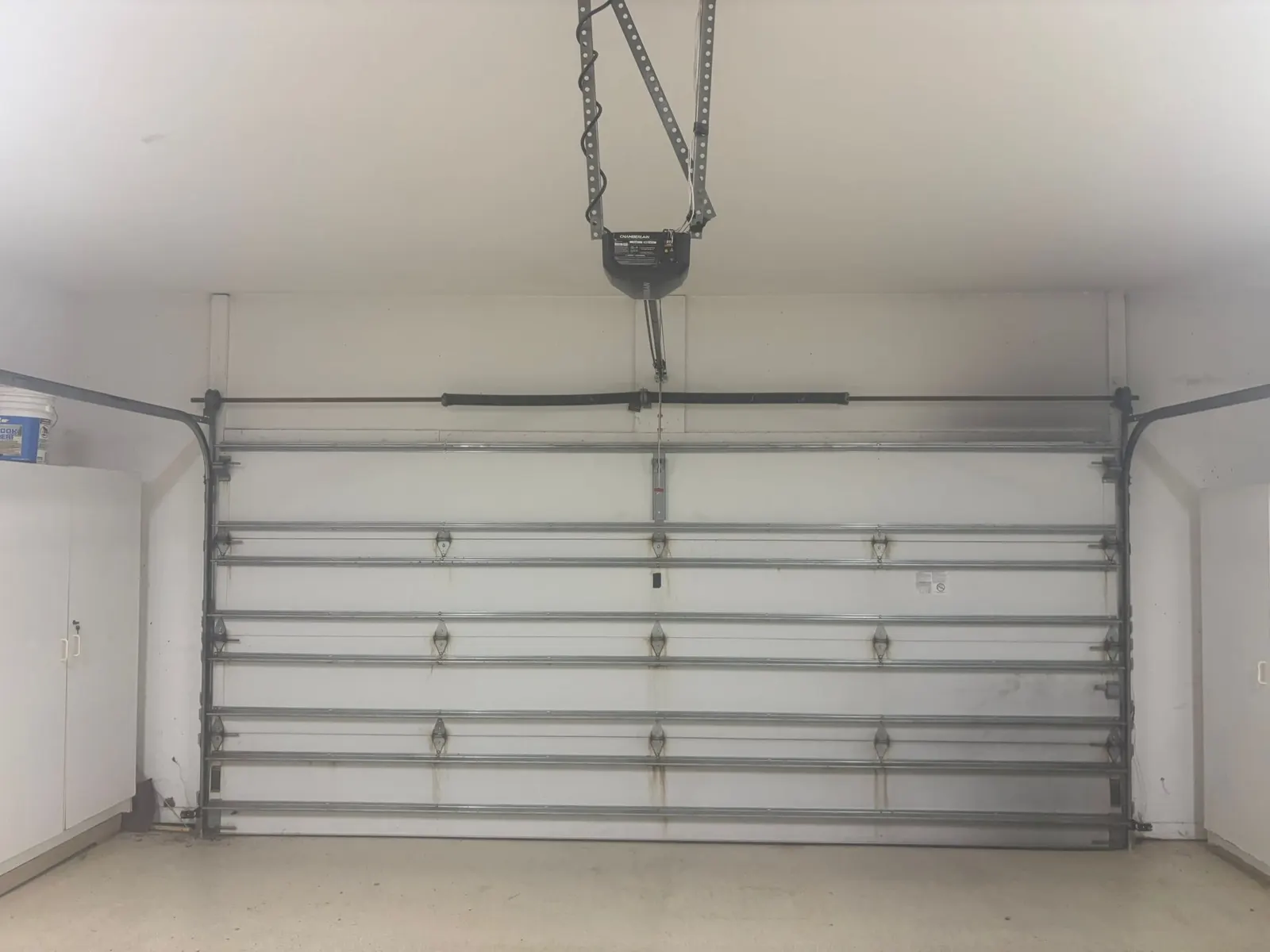
Your garage door is heavy, and the springs do most of the lifting. The cables are the link between those springs and the door itself. On a torsion spring system, a steel cable runs from a bracket at the bottom corner of each side of the door up to a grooved drum on the spring shaft. As the springs unwind, the drums turn and wind the cables, which pulls the door up evenly on both sides.
On an extension spring system, the springs stretch along the horizontal tracks and the cables run through pulleys instead of drums. Either way, the cables hold the door's weight under tension at every point of travel. That is why a cable problem is never just a "loose wire." It is a sign that part of the lifting system has failed. If the spring itself snapped, see our broken spring repair page, because the two problems often show up together.
Why is a broken garage door cable dangerous?
A cable that lets go under load can drop one side of the door suddenly. The door then twists in its tracks, rollers pop out and panels can bend. A cable that is still partly attached can also spring back when someone touches it, and the bottom bracket it connects to is under the same tension as the springs.
That is why we never give DIY steps for cables, drums or bottom brackets. Re-threading a cable onto a drum means working with a loaded spring system, and the tools and technique matter.
- Don't run the opener; it can pull a crooked door further off track
- Don't try to lift the door by hand if it is tilted or binding
- Keep kids, pets and cars clear of the opening
- Don't loosen set screws on the drums or touch the bottom brackets
Why did my garage door cable snap or come off the drum?
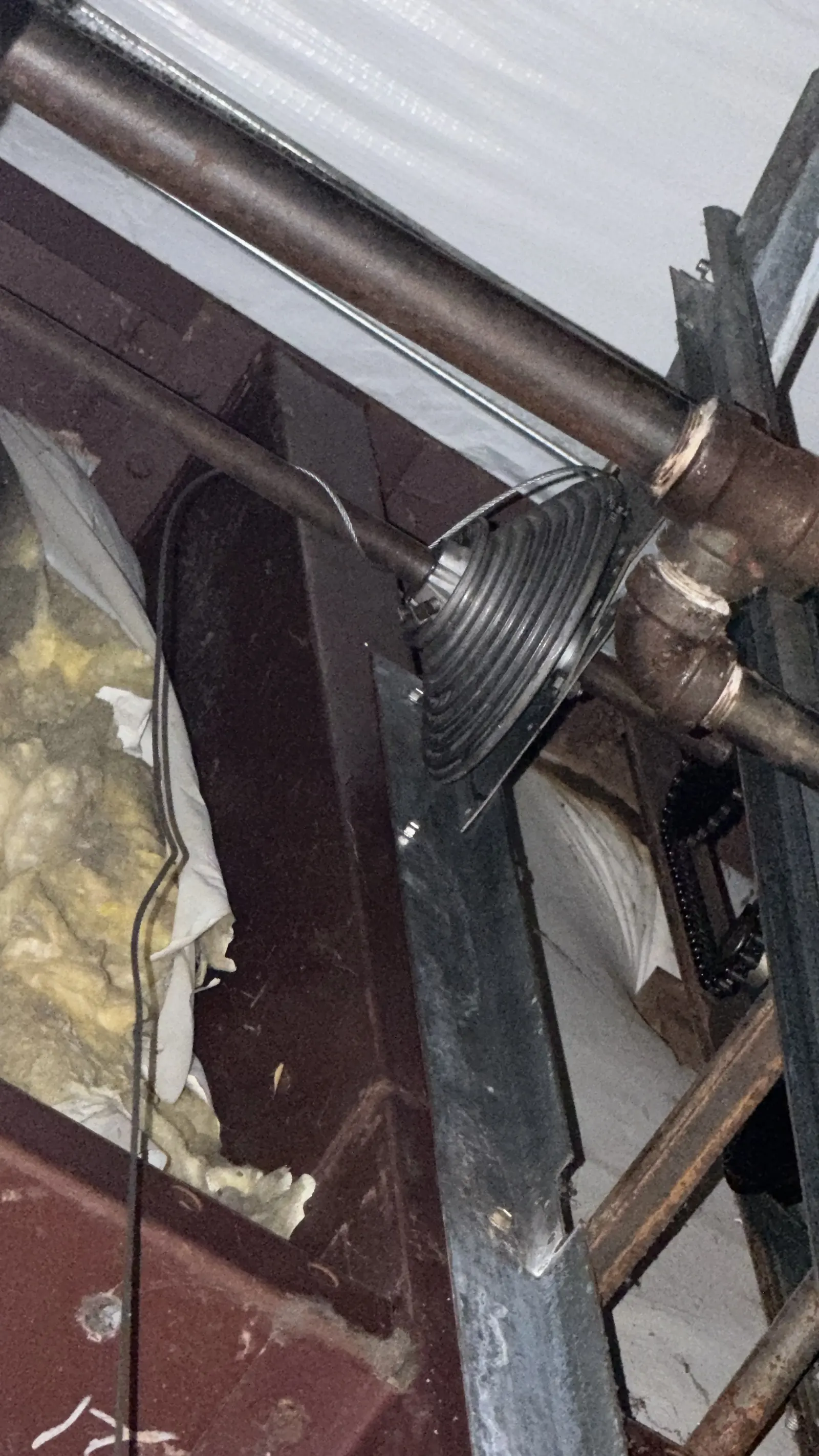
Cables rarely fail for no reason. When we replace one, we look for the cause so it doesn't happen again a few months later. The most common causes we find are:
- Age and wear: strands fray where the cable rubs the drum or bottom bracket
- Rust from humidity, a wet floor or road salt tracked into the garage
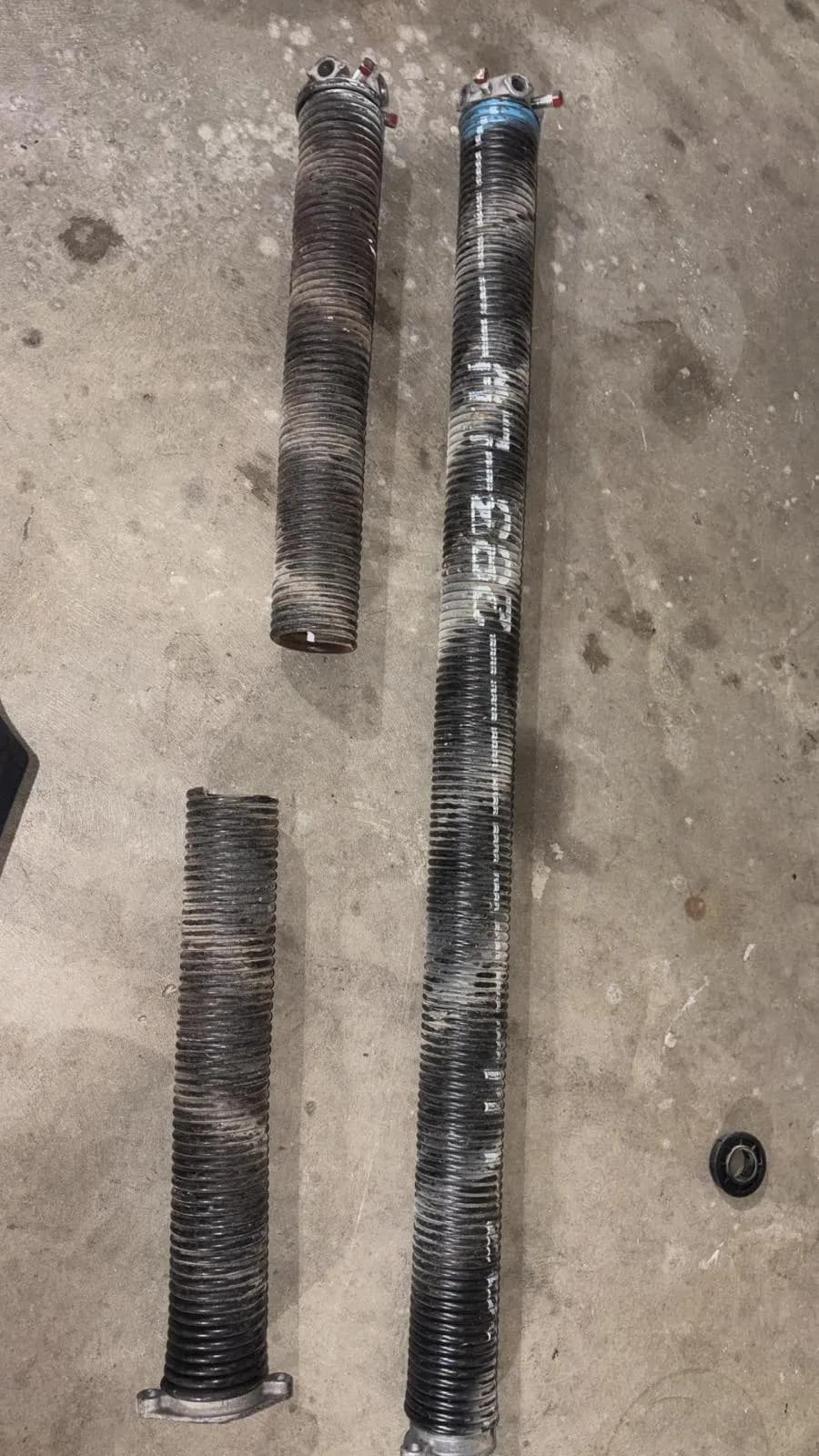
- A broken spring that let the cable go slack and jump its groove
- A door that hit an obstruction or a car and came off track
- Worn rollers or a bent track that made the door bind and the cable go slack
- Cables that were the wrong length or wound unevenly during an earlier repair
Garage door cable broke on one side: what happens next?
A cable that breaks on one side is the classic cause of a crooked door. The good side keeps lifting while the broken side stays put, so the door ends up tilted and jammed. In that state the door can be harder and riskier to work on than a door with both cables intact, because the panels are under uneven stress.
A technician will first secure the door so it can't move, then relieve spring tension in a controlled way before anything else comes apart. From there it is usually a matter of replacing both cables (not just the broken one, since the other has the same age and wear), re-seating the door in its tracks and setting the spring tension again. If panels or track were bent when the door tilted, we cover that too. Our off-track garage door repair page explains what that part of the job involves.
Replace both cables or just one?
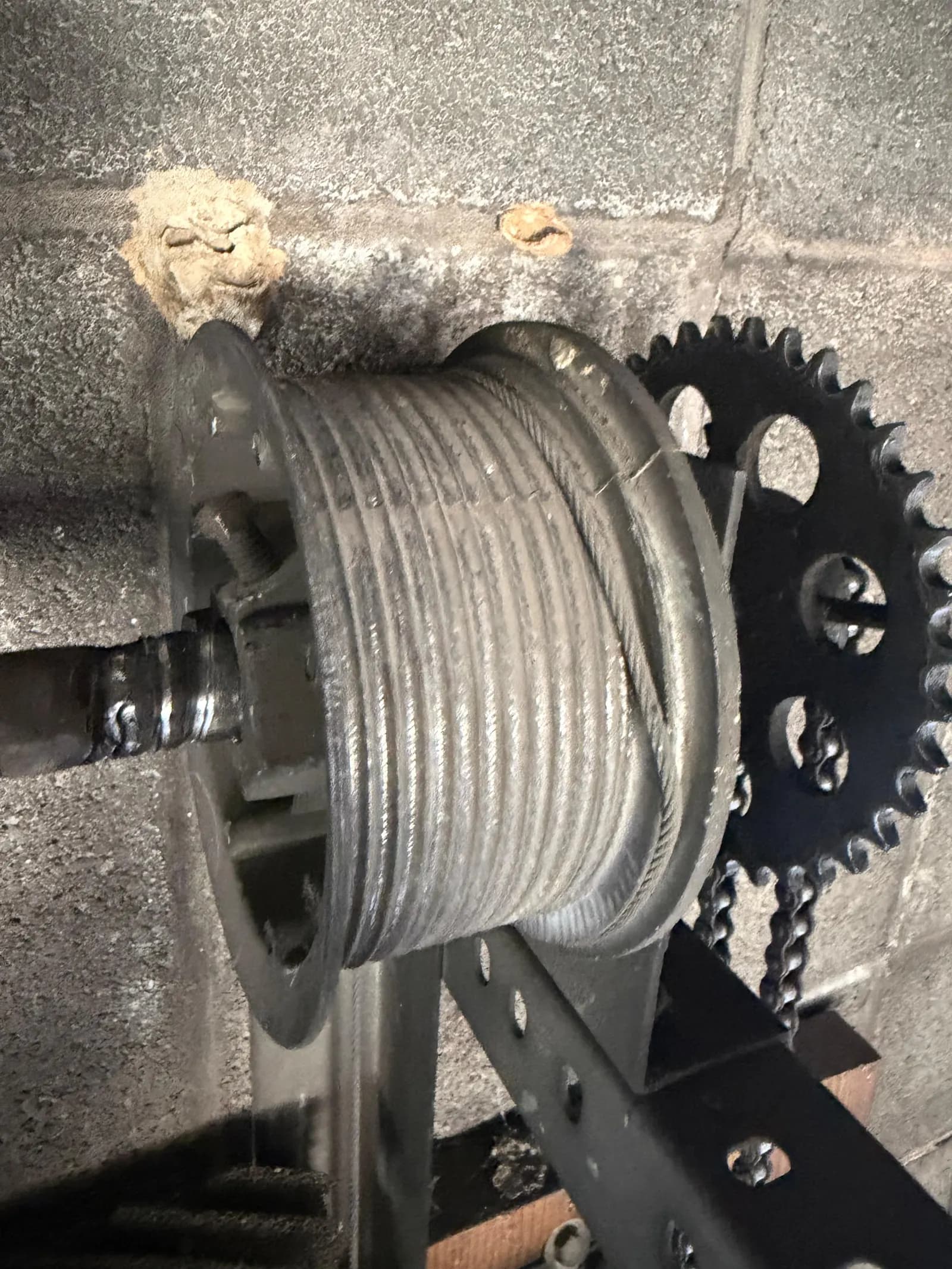
We recommend replacing cables in pairs. Both sides were installed together, have carried the same load and have the same number of cycles. If one has frayed or snapped, the other is usually close behind. Replacing only one side also makes it harder to get the door to lift evenly, because a new cable and an old one stretch differently.
While the door is open, it is a good time to check the drums for cracks or worn grooves, the bottom brackets for rust, and the spring shaft bearings. A cable that keeps coming off the drum is often a drum or bracket problem rather than a cable problem.
What affects the cost of garage door cable repair?
We don't quote over the phone without seeing the door, because the price depends on what actually failed. The main factors are:
- Whether the cable just came off the drum or needs to be replaced
- Torsion vs extension spring system
- Door size and weight (a heavy double door needs heavier cable)
- Whether drums, bottom brackets or pulleys also need replacing
- Whether a spring broke at the same time
- Any track or panel damage from the door twisting
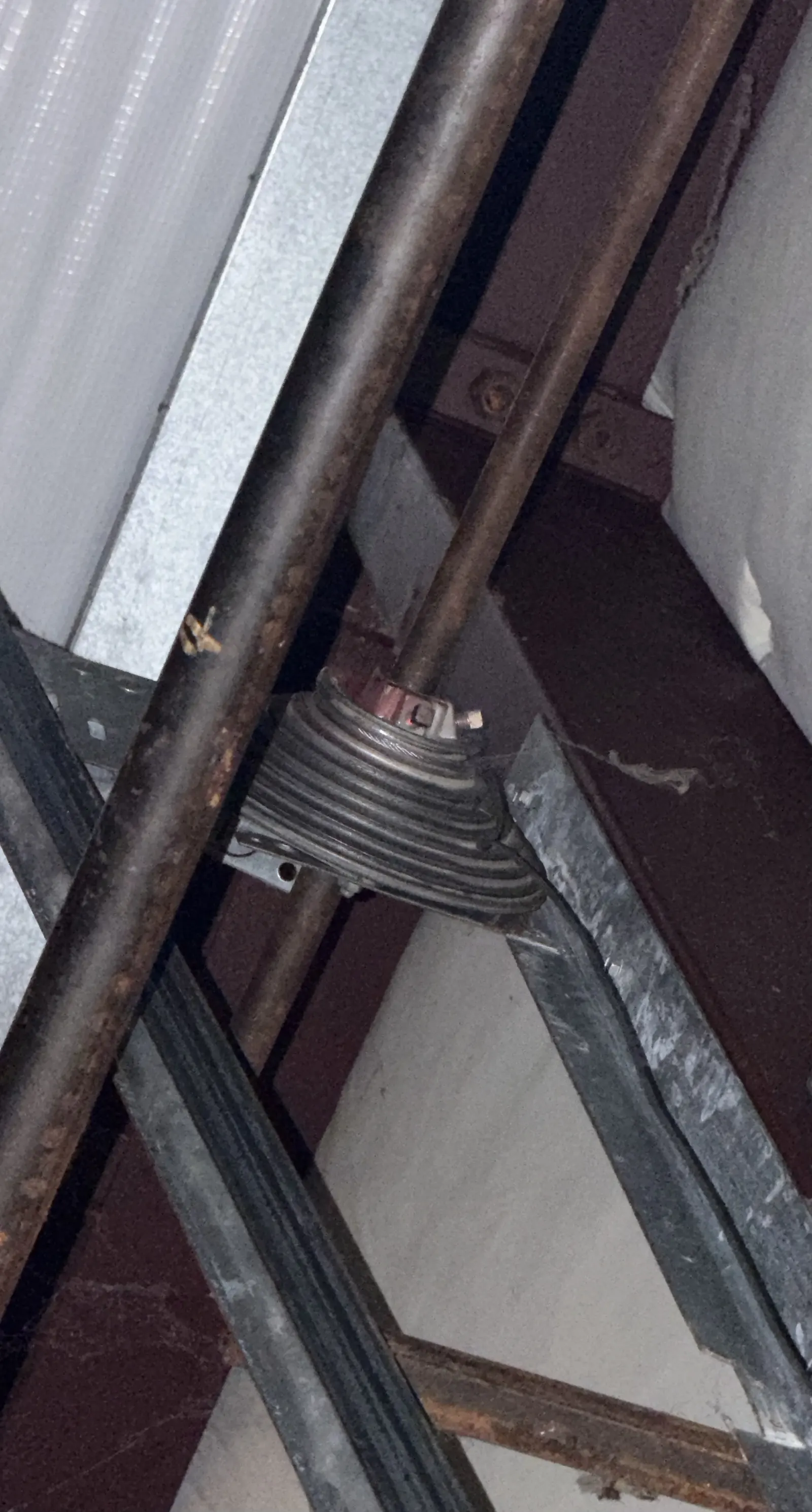
Cable repair as part of a bigger fix
Cable trouble often points to something else wearing out. If your door is older, a single visit can cover the cables, springs and rollers so you aren't calling again in a month. Our general garage door repair service covers the whole system, and a yearly maintenance and tune-up visit is the easiest way to catch fraying before it turns into a snapped cable.
If the door is stuck open and your home or business isn't secure, tell us when you call so we can treat it as an emergency garage door repair and schedule the earliest available visit.
How the service works
- 1
Secure the door
We clamp the door in place so it can't drop or shift while we work.
- 2
Find the cause
We check springs, drums, bottom brackets, rollers and track to see why the cable failed.
- 3
Release tension safely
Spring tension is unwound in a controlled way before any cable is removed.
- 4
Replace cables and worn parts
New cables go on both sides, plus any cracked drums or rusted brackets.
- 5
Rebalance and test
We set spring tension, check that the door lifts evenly and run the opener and safety reverse.