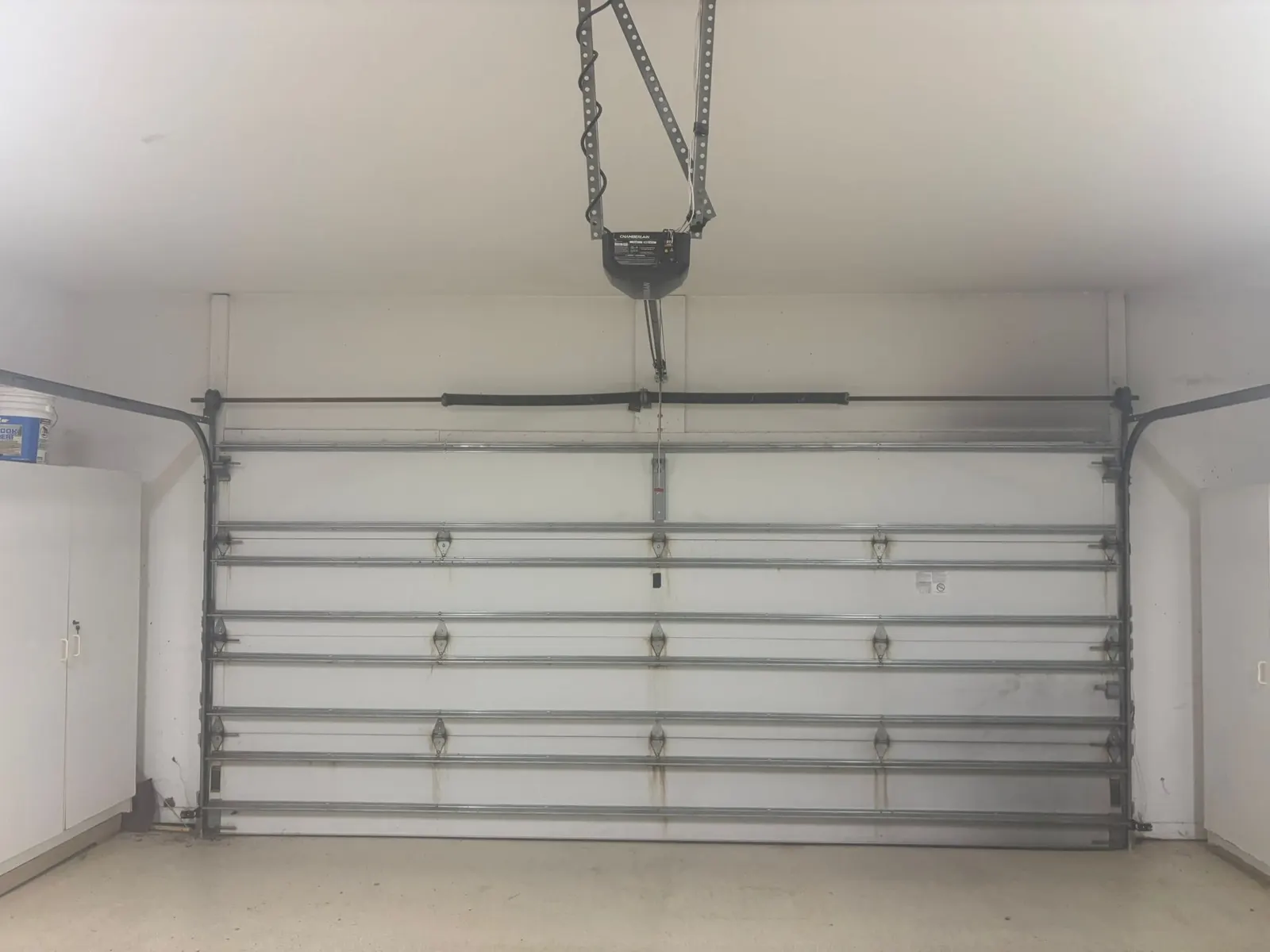
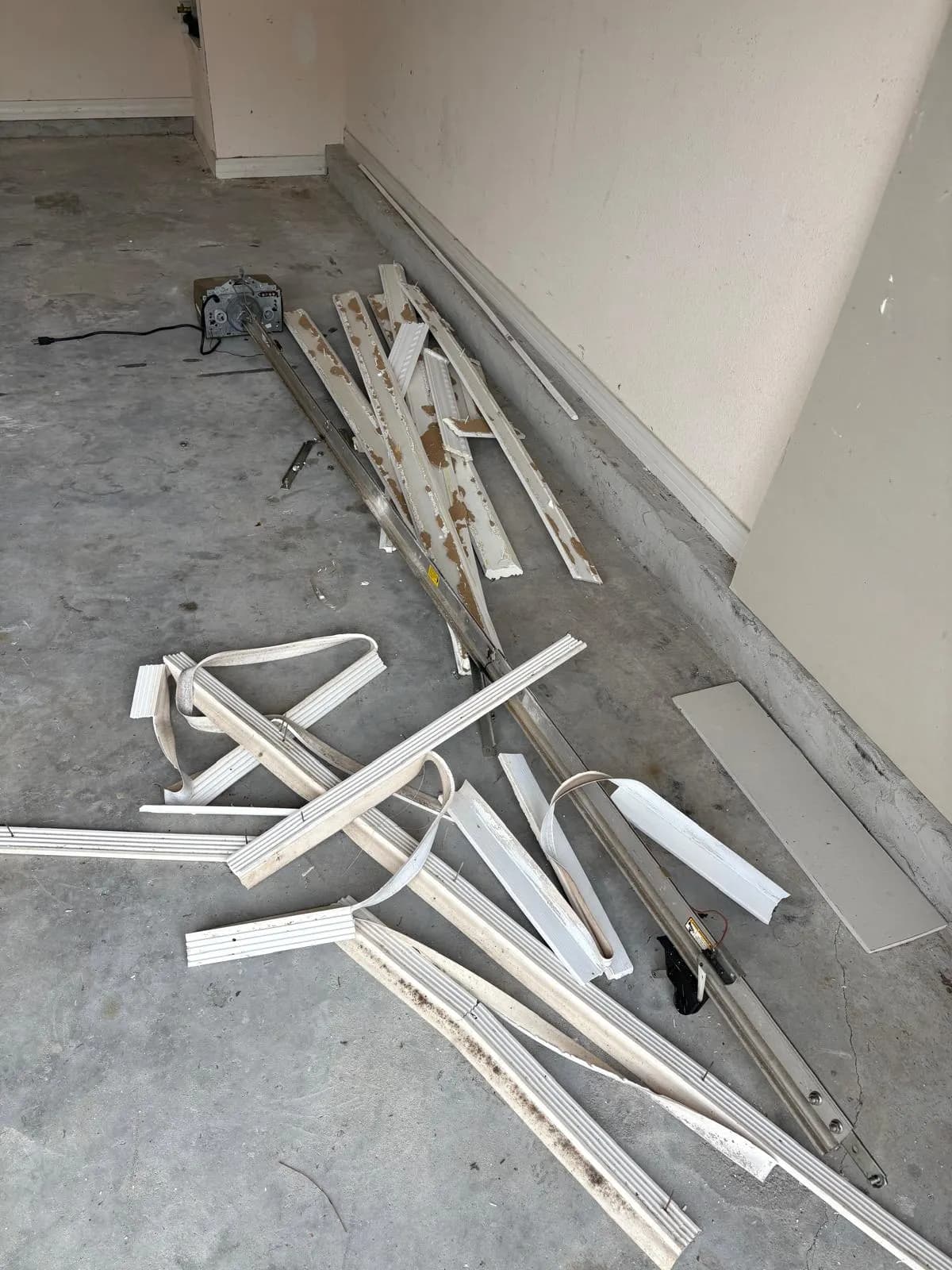
Signs you need door installation
- Panels are cracked, rusted through or badly dented
- The garage is too hot in summer or too cold in winter to use
- Repairs keep coming back on an old door
- Parts for your door are no longer made
- The door looks dated and drags down your home's curb appeal
- You need a wind-rated door to meet local building requirements
- You're building, remodeling or converting a garage
Which garage door material is right for your home?
Most residential garage doors today are steel, and for good reason. Steel is strong, low-maintenance and comes in many panel designs, colors and wood-grain textures. Thicker steel resists dents better, so ask about the steel gauge when comparing doors, since a lower gauge number means thicker steel.
Wood-look doors use steel or composite with a printed or embossed woodgrain finish. You get the warm look of wood without the sanding, staining and swelling that real wood needs, especially in humid places. Real wood doors are beautiful but heavy and need regular upkeep.
Aluminum and glass doors, often called full-view doors, give a modern look and let in lots of light. They're popular on contemporary homes and on garages used as gyms or workshops. Insulated glass and frosted options help with privacy and temperature.
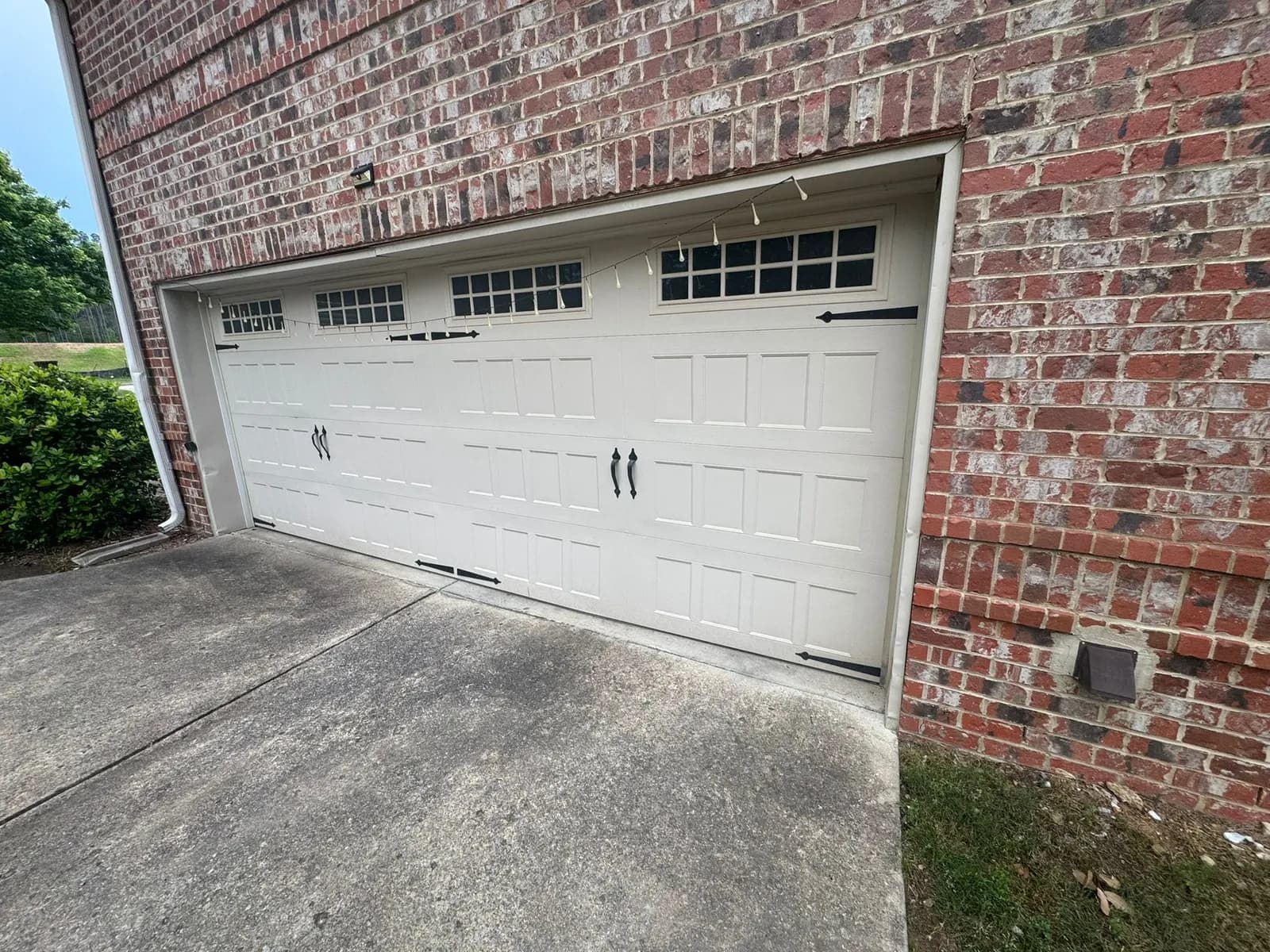
Carriage-house doors look like old swing-out barn doors but open overhead like a normal sectional door. They suit traditional, craftsman and farmhouse homes.
- Steel: durable, low-maintenance, widest choice of styles
- Wood-look steel or composite: wood appearance with far less upkeep
- Real wood: high-end look, heavier, needs refinishing
- Aluminum and glass: modern, bright, lighter frames
- Carriage-house: classic style on a modern overhead mechanism
Insulated garage doors and R-value, explained
R-value measures how well a material resists heat flow. The higher the number, the better it insulates. Non-insulated doors are a single layer of steel. Insulated doors add a layer of foam, either polystyrene panels or injected polyurethane, sandwiched between steel skins.
Polystyrene is a solid board fitted into the door. Polyurethane is sprayed in as a liquid that expands and bonds to the steel, which usually gives a higher R-value for the same thickness and makes the door stiffer and quieter.
An important caution: manufacturers don't always calculate R-value the same way. Some publish the value of the foam alone, while others rate the whole door section. When comparing doors from different brands, ask how the number was measured.
Insulation matters most if your garage is attached, has a room above it, or is used as a workspace. In Milwaukee and Cleveland winters, an insulated door helps keep the garage above freezing. In Orlando, it helps block afternoon heat from radiating into the house.
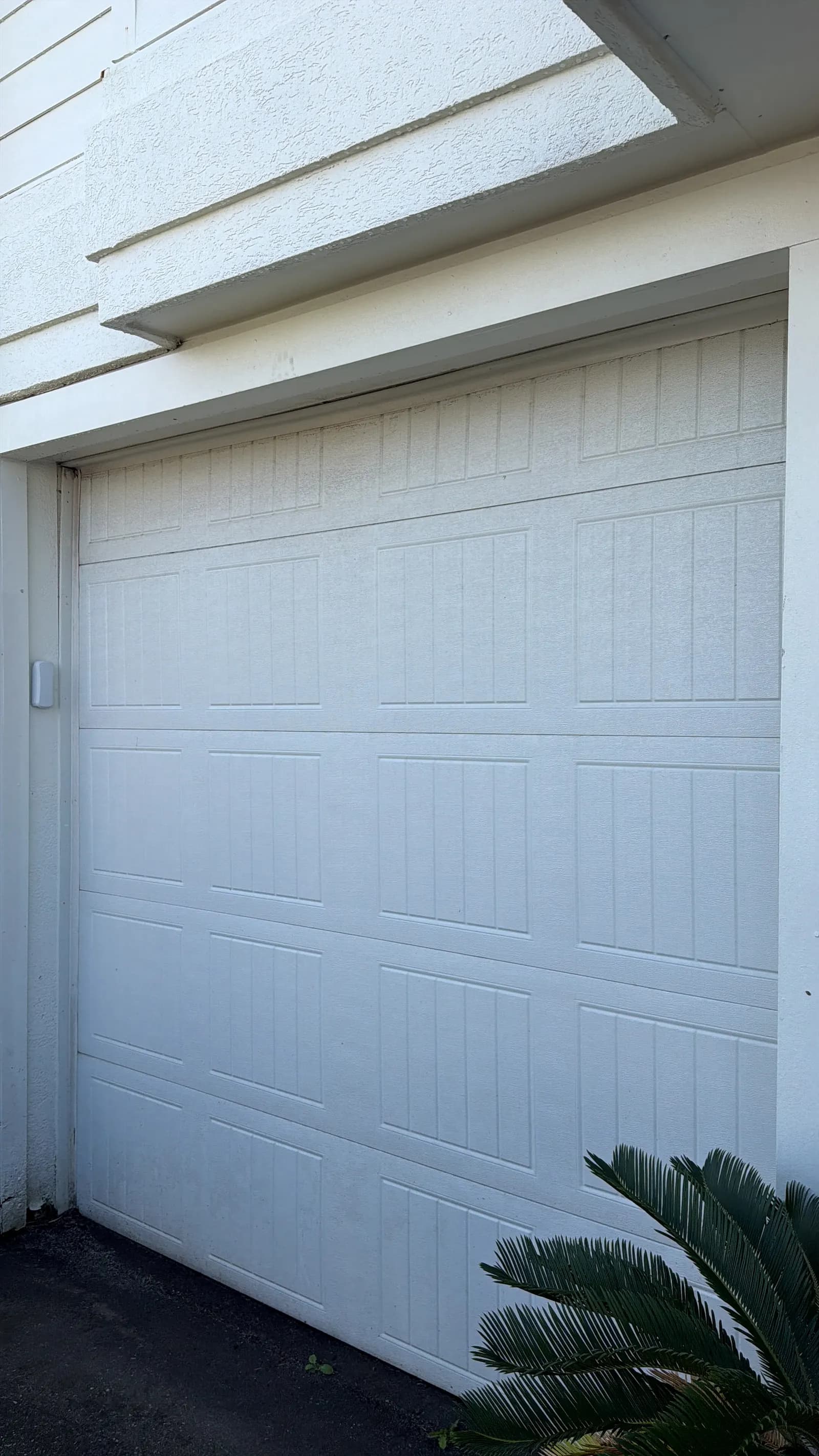
Do you need a wind-rated garage door in Florida?
In Florida, yes. The Florida Building Code requires garage doors to be rated for the wind pressures where the home is located, and replacement doors generally need a permit and a Florida Product Approval number (or a Miami-Dade NOA in South Florida's high-velocity hurricane zone). Wind-rated doors are built with reinforced struts, heavier hinges and track, and specific anchoring, all tested together as a system.
The garage door is often the largest opening in a house. If it fails in a storm, wind can rush in and put serious pressure on the roof. That's why the rating covers the whole assembly, not just the panels, and why mixing in non-approved parts can void the rating.
Most rated doors carry a label, often on the inside edge of the door or the track, showing the product approval and the design pressure. Requirements change by county and wind zone, so we confirm what your address requires before ordering. Learn more on our Orlando garage door installation page.
How to choose a garage door style and options
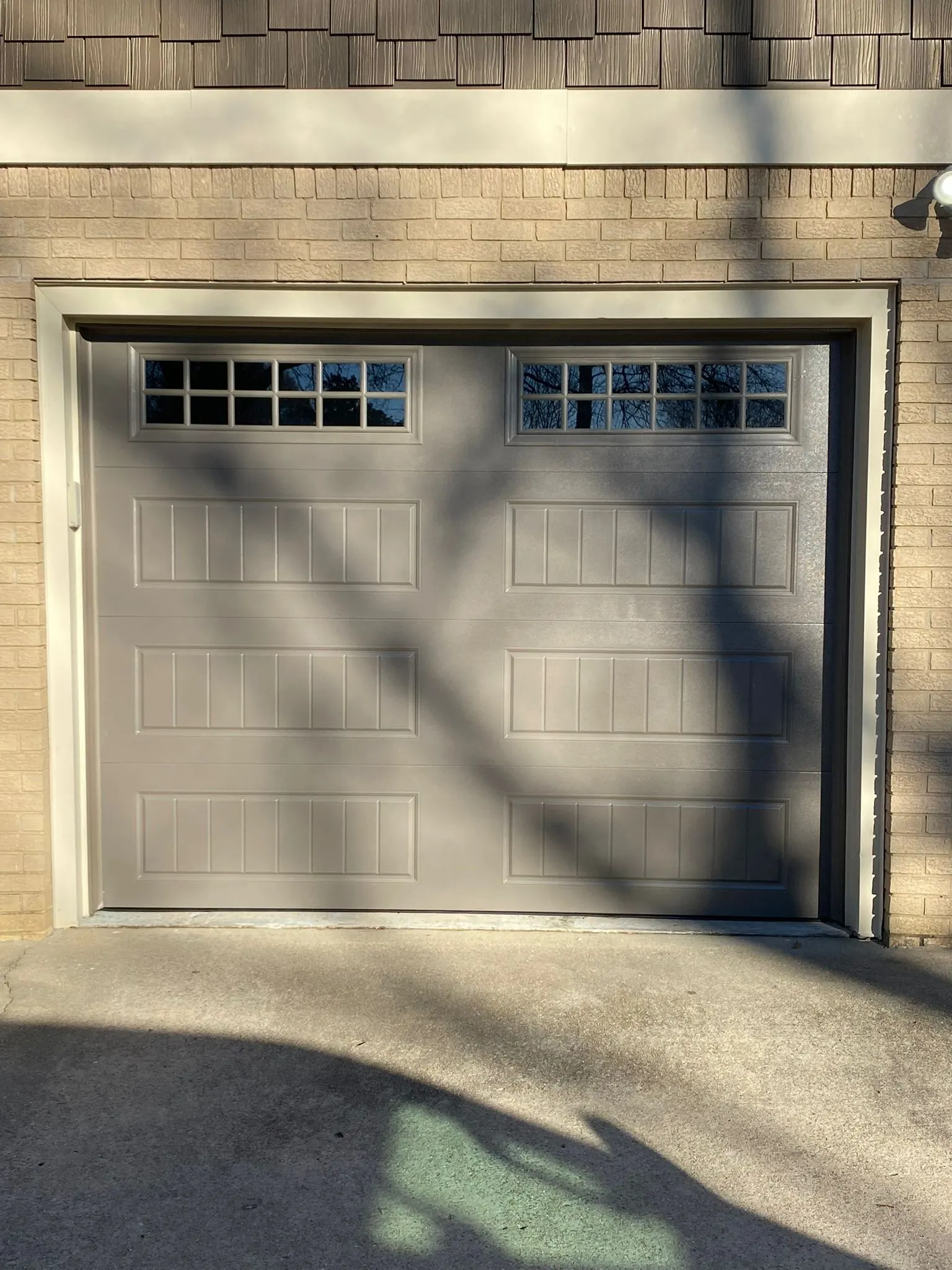
Start with your house, not the catalog. Match the door's lines to the home's style: raised panels on traditional homes, flush or long panels on modern ones, and carriage designs on craftsman or farmhouse homes. Windows in the top section add light and character, and there are many glass patterns to choose from.
Color matters more than people expect. Matching the door to the trim makes it blend in; a contrasting color makes it a focal point. Dark colors absorb more heat, which is worth thinking about in hot climates.
Other options to consider are the bottom seal and weatherstripping, decorative hardware, high-lift or low-headroom track for unusual garages, and a matched opener. If your current opener is old, replacing it at the same time saves a separate visit. Our opener installation page covers drive types and smart features.
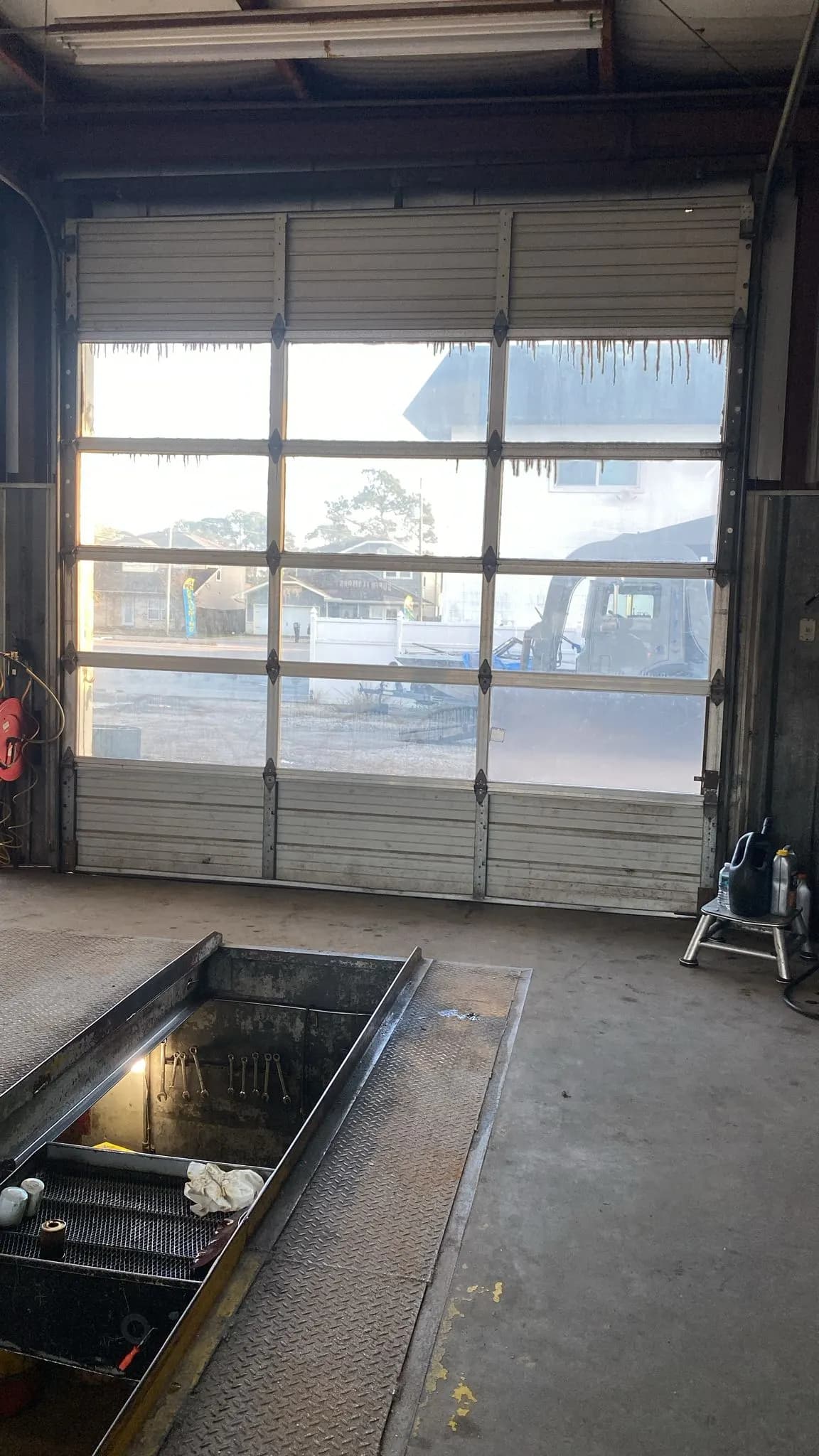
Clopay, Amarr and Wayne Dalton doors
We install residential doors from major manufacturers, including Clopay, Amarr and Wayne Dalton. Each offers lines that range from basic non-insulated steel to heavily insulated and wind-rated models, plus carriage-house and full-view designs.
When comparing brands, look at what matters for your home rather than the logo: steel thickness, insulation type and R-value (measured the same way), wind rating if you need one, window options, colors and the look of the panel design. We can bring brochures and samples, help you narrow down the choices, and check that the door you like fits your opening and headroom.
Not sure whether you need a new door at all? Many problems are fixable. Our garage door repair page and panel replacement page explain when repair makes more sense than replacement.
What affects the cost of a new garage door?
We don't publish prices because the range between a basic single-car door and a custom insulated two-car door is huge. A door that fits one home perfectly can be the wrong choice for the house next door, so the quote comes after we measure and talk through what you want. These are the factors that set the price on your quote.
- Door size: single, double or oversized openings
- Material and construction: single-layer steel vs. insulated steel, wood-look, real wood, aluminum and glass
- Insulation type and R-value
- Wind rating, where local code requires it
- Windows, decorative hardware and custom colors
- Track type for low headroom or high-lift setups
- Whether you add a new opener, and removal of the old door
- Any framing or jamb repairs found once the old door comes out
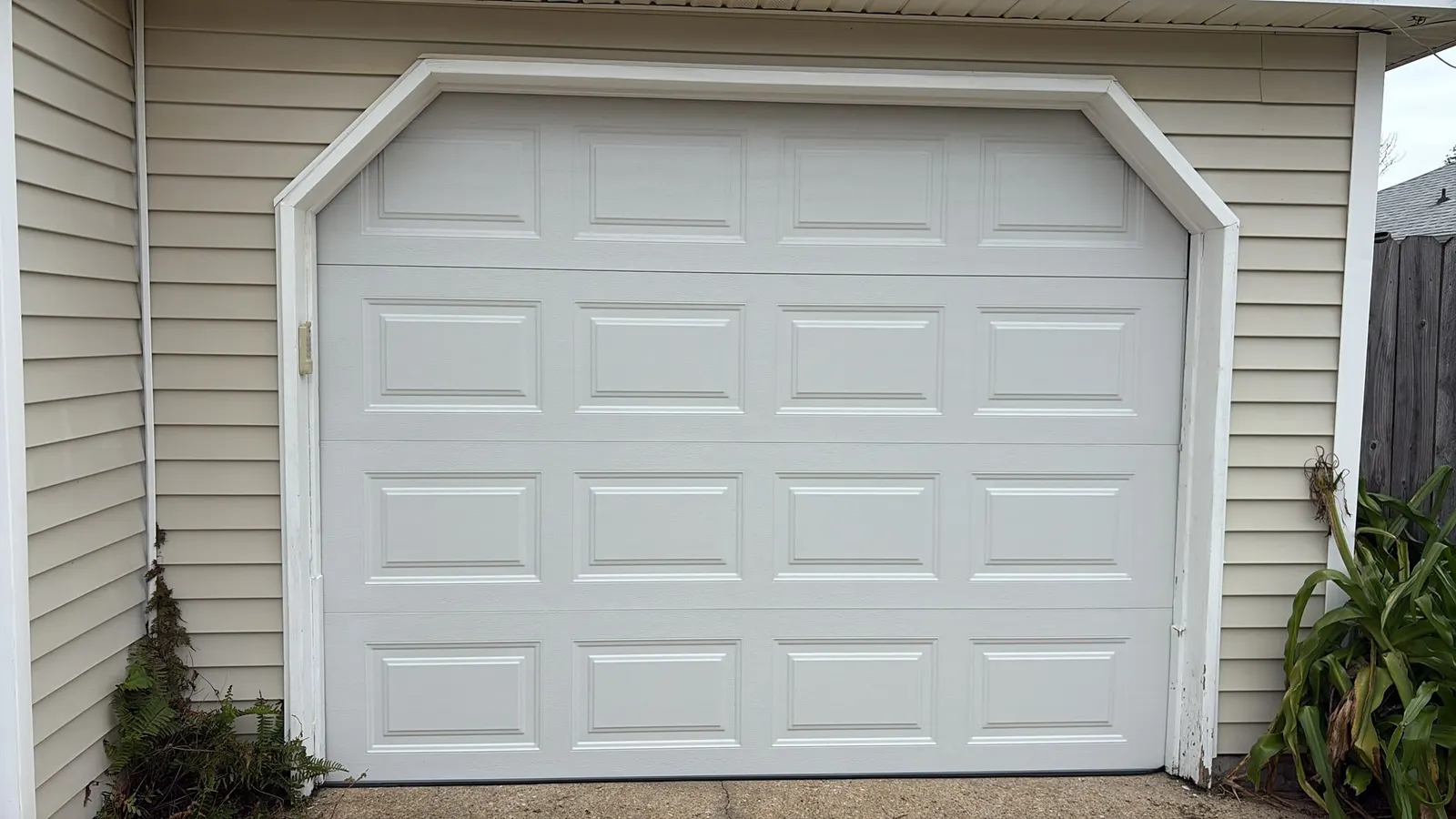
What happens on installation day?
On installation day, the crew releases the tension on your old springs safely, removes the old door, track and hardware, and hauls it away. They check the opening, jambs and header for rot or damage, since a new door needs solid framing to mount to.
Then the new door goes in section by section. Track is installed and plumbed, new springs are sized to the new door's weight and wound, and cables are set. If you're adding an opener, it's installed and programmed. The crew finishes by adjusting the bottom seal, balancing the door, testing the safety reverse, and showing you how everything works, including the emergency release.
Most single-door replacements are completed in one day. Questions about your project? Contact us and we'll set up a visit to measure.
How the service works
- 1
Measure and consult
We measure the opening, headroom and side room, look at your home's style, and go over materials, insulation, wind rating and options.
- 2
Quote and order
You get a written quote for the door you choose. We confirm any permit or wind-rating requirements for your address before ordering.
- 3
Remove the old door
Spring tension is safely released, and the old door, track and hardware are removed and hauled away.
- 4
Install the new door
Sections, track, springs and cables are installed; the door is balanced; and the opener is installed or reconnected.
- 5
Test and walk through
The crew tests balance, travel and the safety reverse, and shows you how to use the door and the emergency release.