Why do garage door springs break in Orlando?
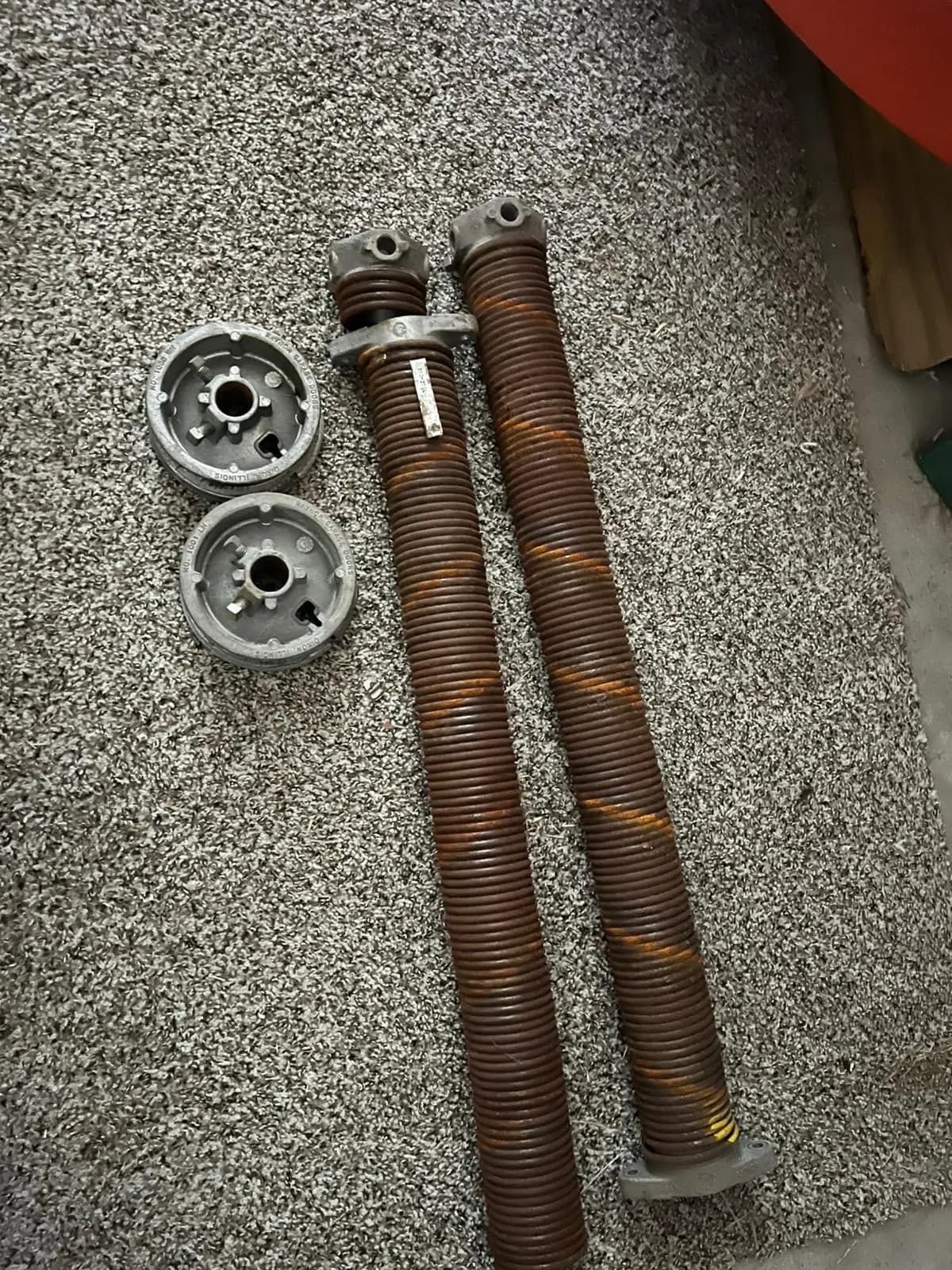
Every spring has a cycle life, and each open and close uses one up. But in Orlando, moisture speeds the process. With summer dew points in the 70s and nights near full humidity, uncoated steel springs develop surface rust. Rust creates tiny pits, and those pits become weak points where the coil eventually snaps. A spring that's rusty along its length tends to fail sooner than its rated cycles.
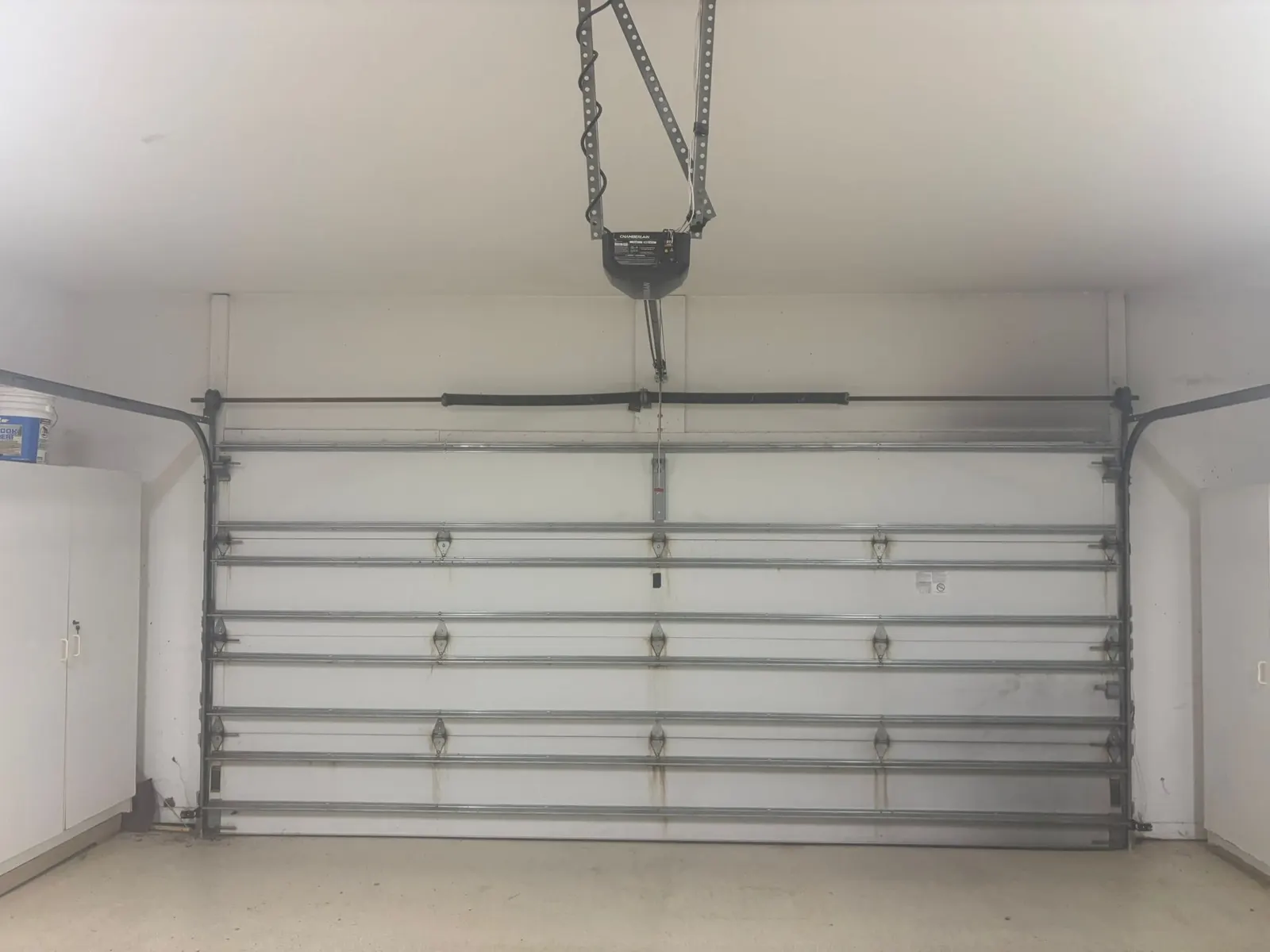
Many homes here also have one large door across a two-car opening. Those doors weigh more than a pair of single doors, and on older or builder-grade setups they often ride on a single torsion spring. One spring carrying a big door wears faster, and when it breaks, nothing is left to help lift.
Can you install springs that hold up better in humid weather?
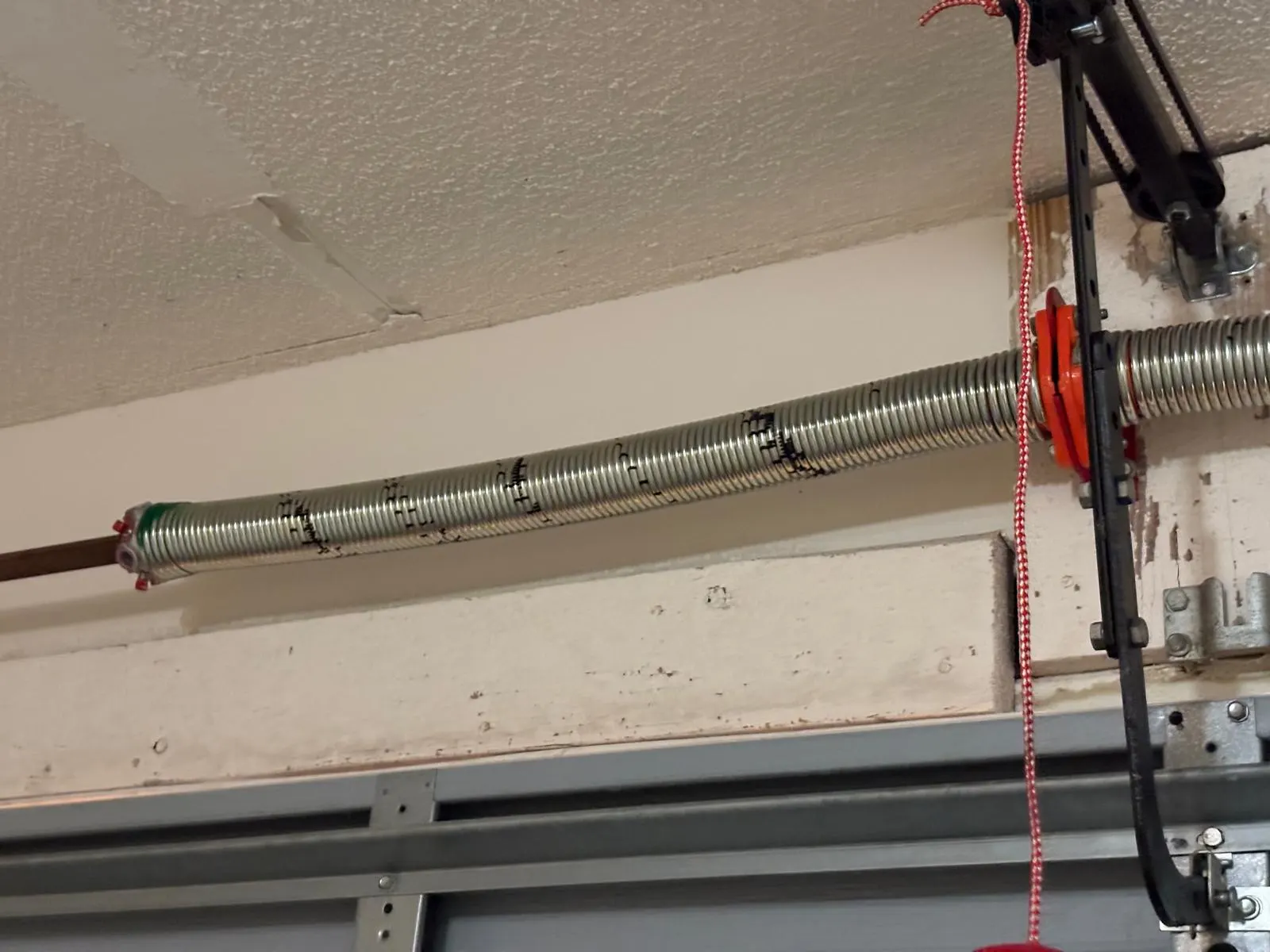
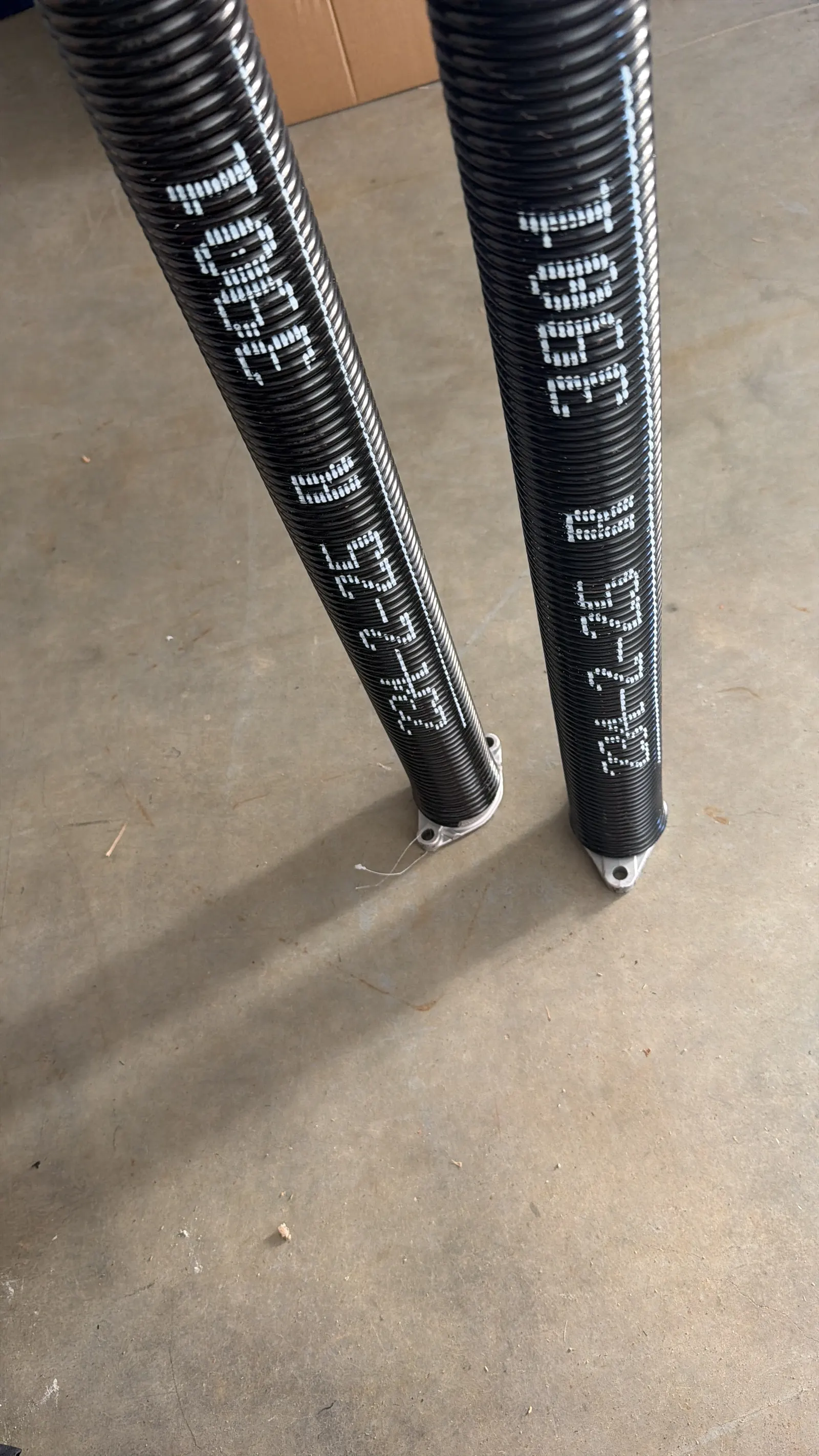
Yes. When we replace springs, we can talk through options like coated or galvanized springs, which resist rust better than bare oil-tempered steel. Higher-cycle springs, sized correctly for your door's weight, are another option if your family uses the garage as the main entrance.
On double-wide doors with one spring, we often recommend converting to a two-spring setup. The load is shared, the door is better balanced, and if one spring breaks, the other can still keep the door from slamming. We'll weigh and measure your door and explain what fits, rather than guessing from the old spring.
Is it dangerous to open a garage door with a broken spring?
Yes. Without the spring, the door's full weight is on the opener, the cables, and anyone who tries to lift it. Don't run the opener. It can strip the gears or pull the door off track. Don't pull the emergency release either, because the door can fall fast.
Never try to unwind or replace a torsion spring yourself. Those springs are wound under very high tension, and the winding bars, cones, and set screws can cause severe injuries. That work belongs to a trained technician with the right tools. If a cable snapped along with the spring, our cable repair page explains what that means.
What if a spring breaks during hurricane season?
A broken spring can leave the door stuck open or shut. Either way, tell us when you call if a storm is coming. A door stuck partly open can't protect the garage, and a door that's forced or propped won't seal against the wind.
While we're there, we check the rest of the system that a wind-rated door depends on: the struts, track brackets, and fasteners. Springs and rated doors work together. A door with the wrong spring is harder to close quickly and puts extra strain on the opener. If your door is old enough that it may not be rated for today's code, we'll mention it. You can read more on our Orlando installation page.
What happens during a spring replacement visit?
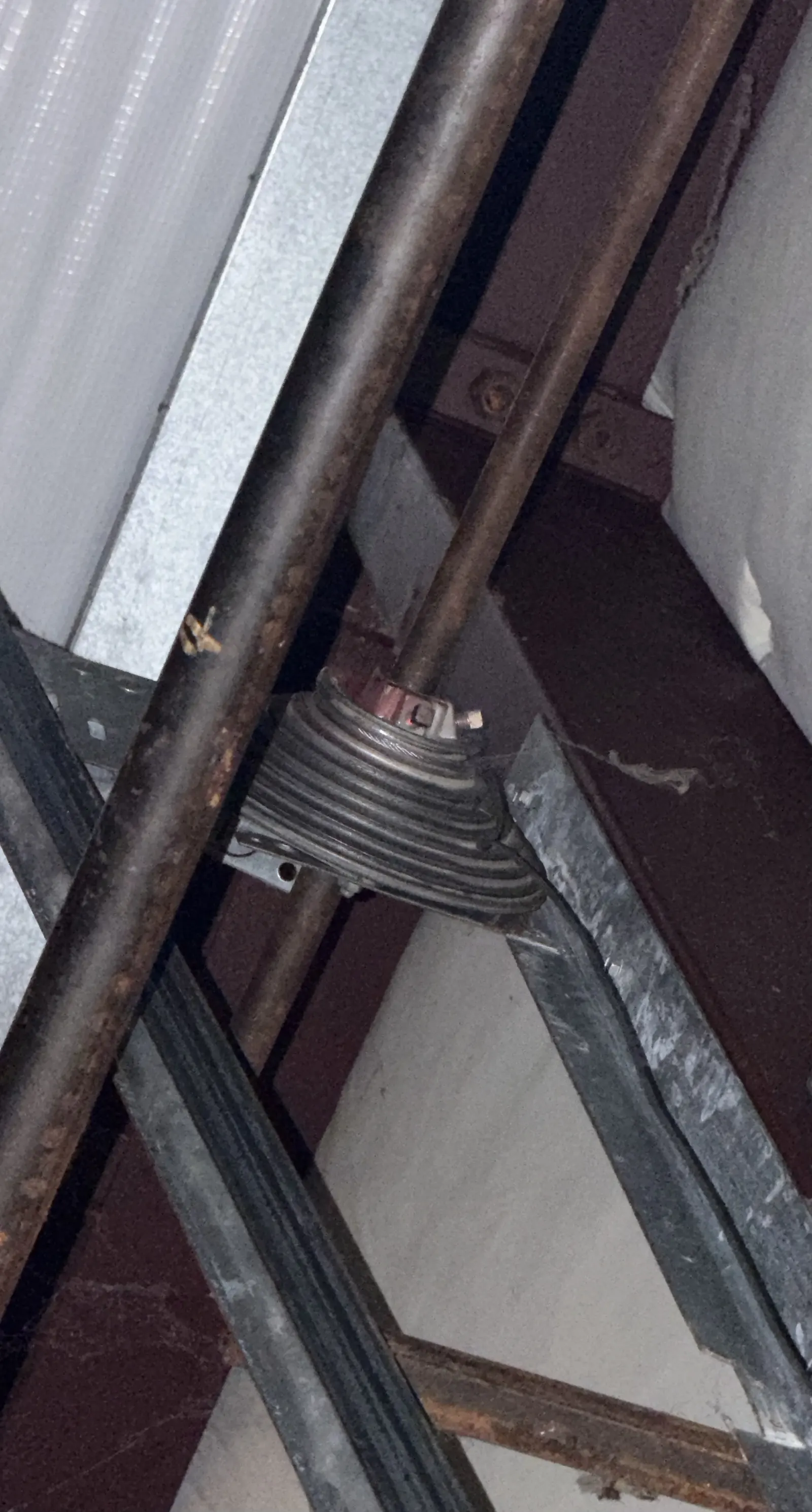
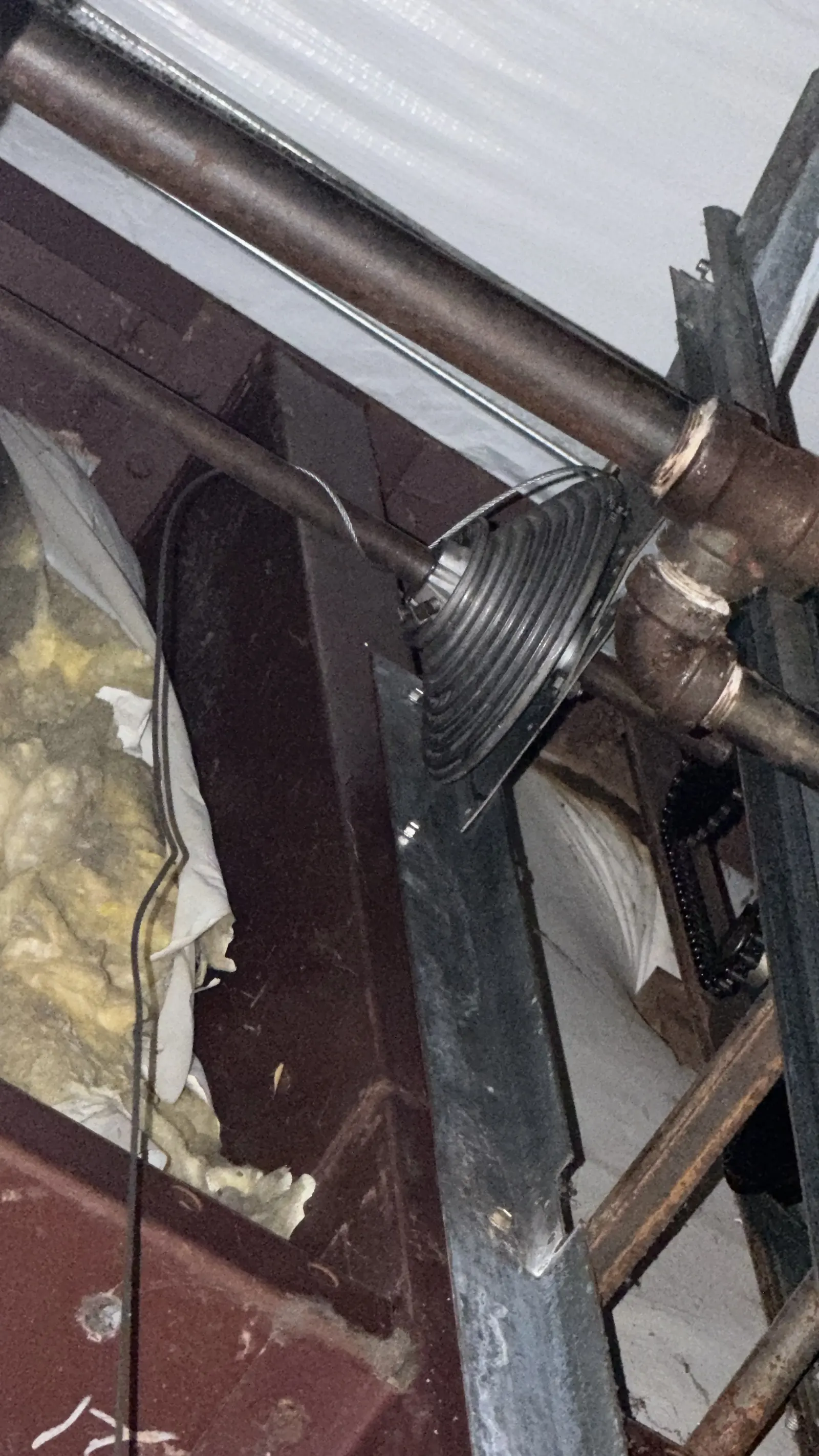
We secure the door, remove the broken spring, and check the door's weight and balance. Then we install the right spring for your door, inspect the cables, drums, and bearings, and test the opener's force and reverse settings. If rust has worked into the cables or bottom brackets, we'll show you before we replace anything.
Cost depends on whether you have torsion or extension springs, the spring size, whether we replace one or both, and the condition of the cables and rollers. We'll explain your options and give you a quote on site. Learn more on our national broken spring repair page, or see all of our Orlando services.
Signs you need spring repair
- A loud bang from the garage, like a gunshot or a dropped board
- A visible gap of a few inches in a coiled spring above the door
- The door opens only a few inches, then the opener stops or reverses
- The door feels extremely heavy when you try to lift it
- The door rises crooked or one side lags behind
- Cables look slack or have come off the drums
- The opener strains, hums or the motor runs with no lift
- On extension spring doors, a stretched or hanging spring along the side track
Want the full rundown on causes, repair options and what to expect? Read our complete guide to broken garage door spring repair, or see all garage door services.