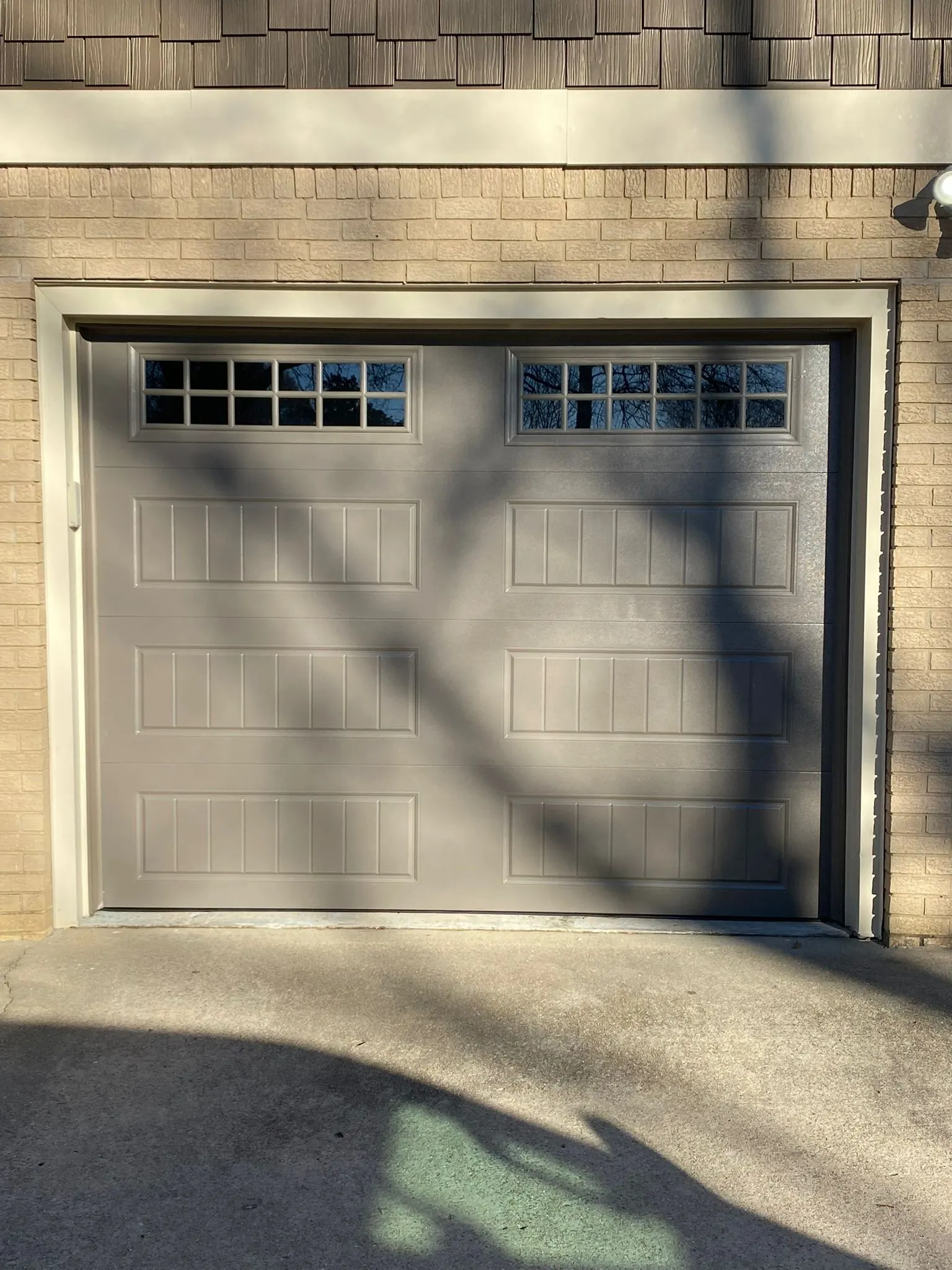
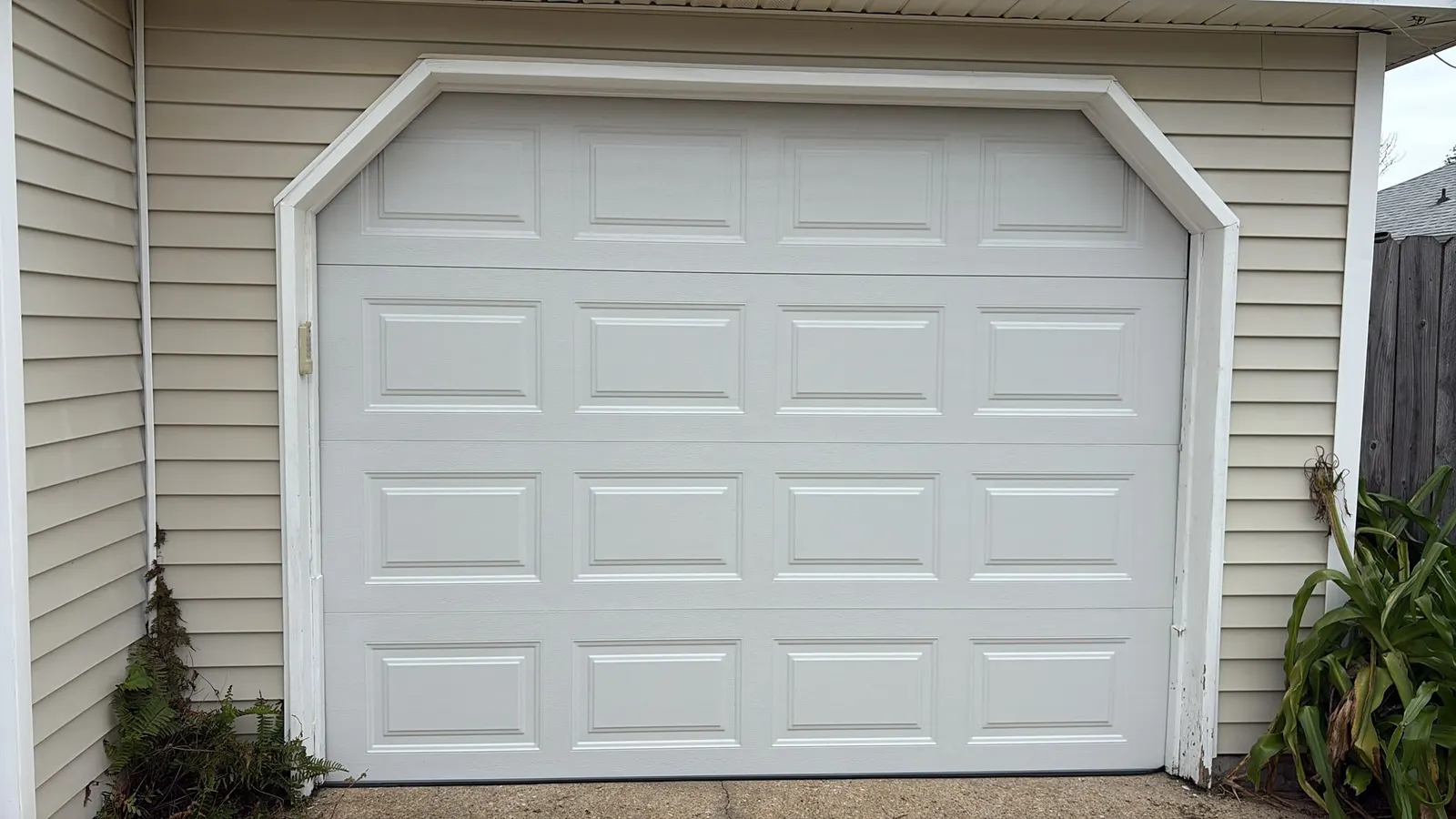
Two households, one garage: doors on a Heights double
Cleveland Heights has more than 1,200 two-family houses, most built between 1915 and 1930. The city's 1921 zoning code even named the two types: a "two-family dwelling" with one unit stacked over the other, and a "double house" with the units side by side. Owners often lived in one unit and rented the other to help pay the mortgage, and many still do.
When a garage serves two units, small decisions matter. If each household has its own door, each door should have its own opener and remotes, so one tenant can't open the other's bay. If two cars share one wide door, a keypad with a separate code for each unit makes it easy to change access when a tenant moves out.
Repairs are the owner's call even when a tenant reports the problem. A broken spring or a door that slams is a safety issue for both households, so don't let it ride. Our Cleveland broken spring repair page explains what happens on that visit.
Shared and narrow driveways: what the city allows
Cleveland Heights limits a home driveway that leads to a garage to 12 feet wide. The city lets the paved area widen to the width of the garage for 20 feet in front of the doors, then taper back. Driveways normally sit at least 3 feet from the side lot line, but neighbors can share one driveway built on the line when both owners agree. The code also allows two paved wheel strips with grass in between.
For your garage door, a narrow approach means less room for error. Side mirrors and bumpers clip the jambs, and a door hit while backing out can bend a section or knock the rollers out of the track. If that happens, stop using the door, because it's still under spring tension.
It also affects new doors. On a shared or narrow drive, the opening you can use may be narrower than you'd like, and widening it means changing the garage's structure. We measure the opening, the headroom and the approach before recommending a door size.
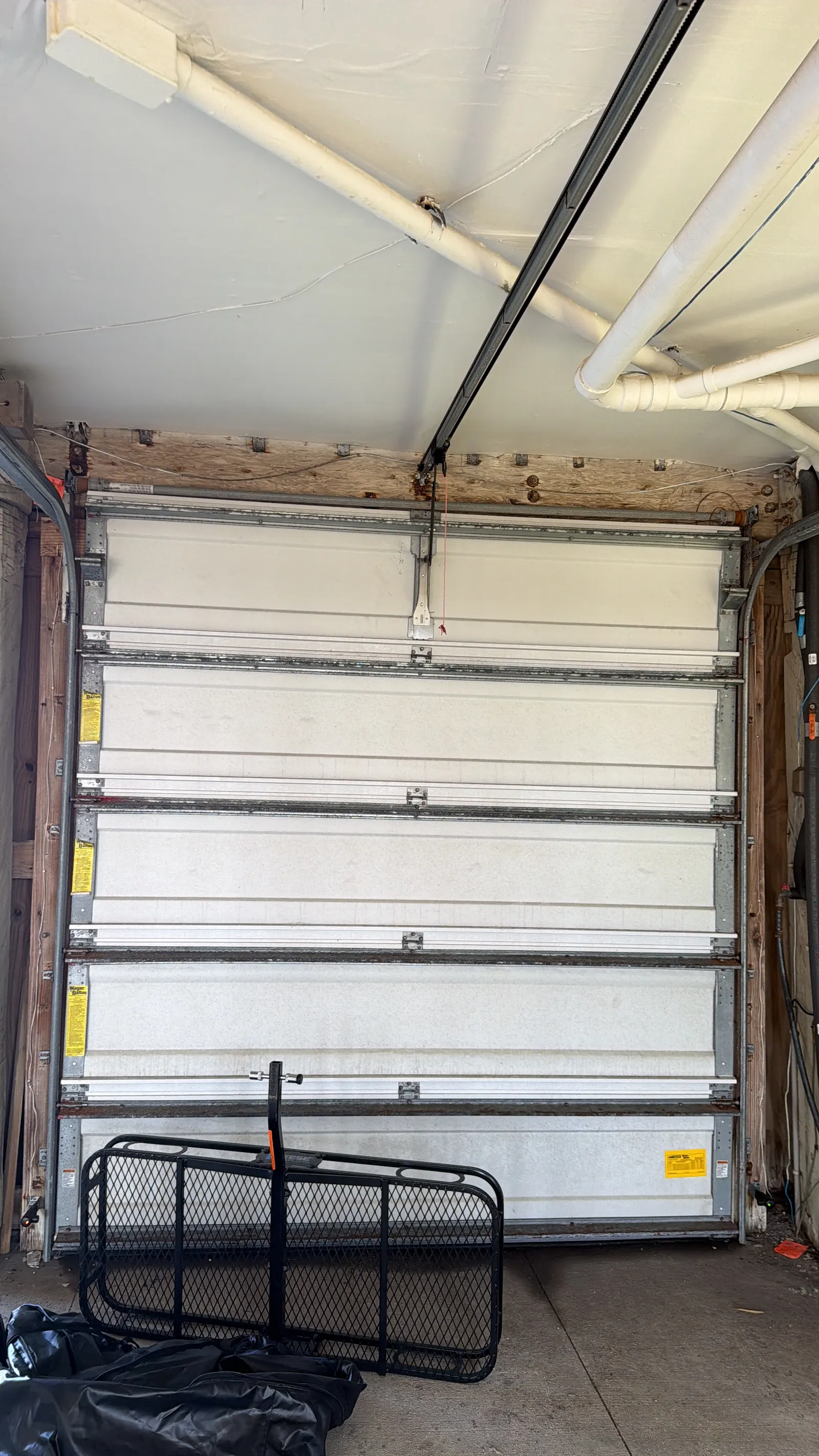
From carriage houses to garages
Some Cleveland Heights garages started out holding horses. Herrick Mews, off Overlook Road, is a lane of brick carriage houses and servants' quarters built around 1899 and 1900 to serve mansions on Overlook. Four of the five buildings outlived the mansions, and they're now single-family homes on the National Register.
Most Heights houses are newer, from the 1910s through the 1930s, when the city grew fastest. About 59% of homes in Cleveland Heights were built before 1940. Garages from that era have their own quirks: openings that aren't stock sizes, short headroom, wood jambs and floors that have shifted. A replacement door is often made to fit the opening, and the track may need new mounting points. See garage door installation for materials and styles.
Changing a door on a landmark or in a historic district
First, find out if your property is designated. Cleveland Heights has more than 50 local Landmarks, and 16 National Register historic districts lie fully or partly in the city, including Ambler Heights, Euclid Golf, Forest Hill and Grant W. Deming's Forest Hill. Deming's district alone has 654 major buildings from 1909 to 1941, in Craftsman, Tudor Revival and Colonial Revival styles.
If your home is a designated Landmark or sits in a local historic district, exterior alterations need Landmark Commission approval through a Certificate of Appropriateness. Most requests get a recommendation from the Design Review Advisory Committee before the Commission meets. Ask the Planning Department about your address before you order a door that changes the garage's look.
Carriage-style and simple panel doors in wood tones or painted finishes usually suit these houses. We'll give you the door specs and photos the application asks for.
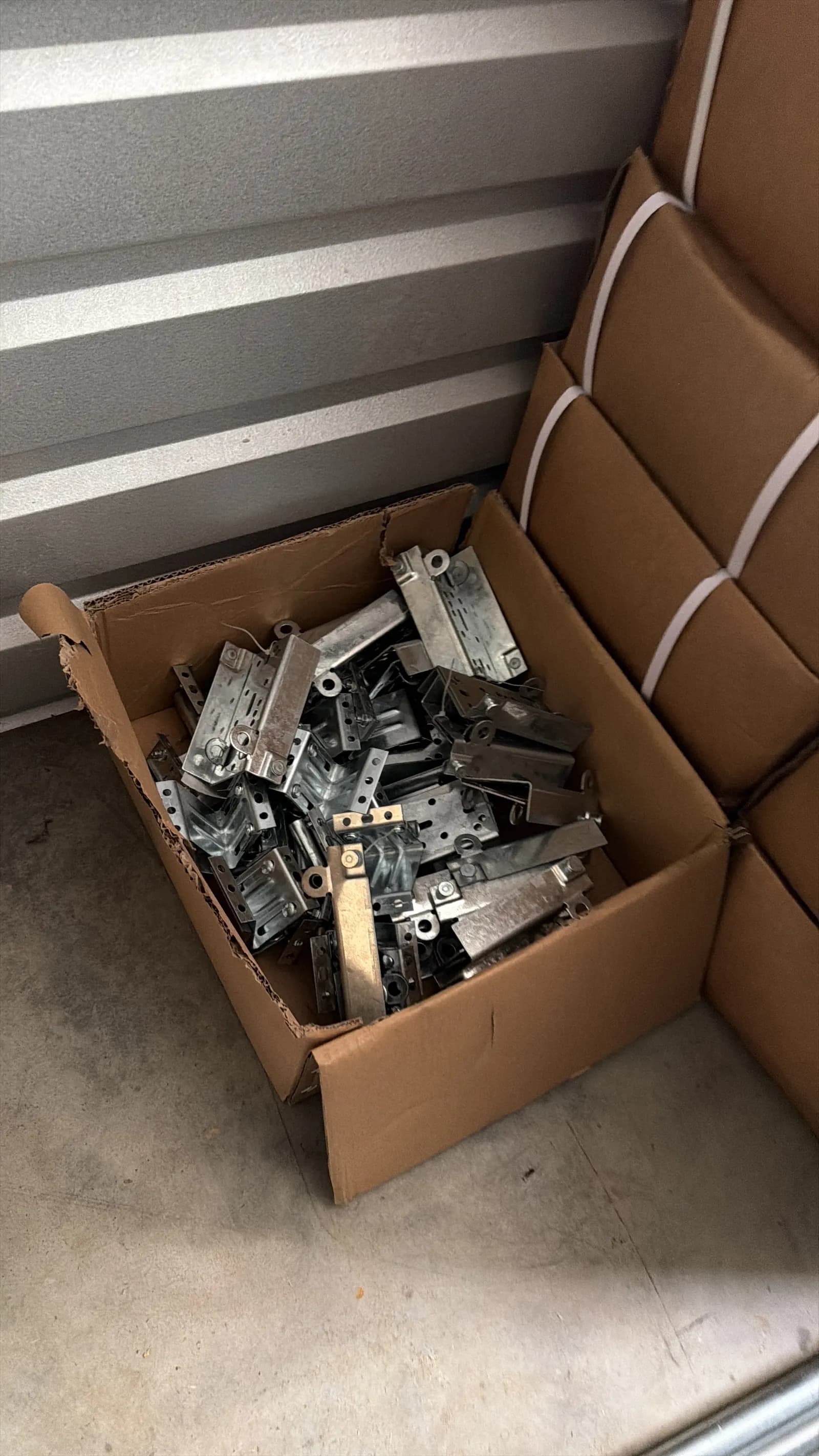
Winter on an older east-side garage
Cleveland Heights sits on top of the Portage Escarpment, and its garages face the same long Northeast Ohio winters as the rest of the east side. Cold makes old grease stiff, metal contracts, and springs that are near the end of their life tend to snap on the coldest mornings.
On an older detached garage, the opener may also run on an aging outlet far from the house. If your opener strains or stops partway in January, see Cleveland garage door opener repair. Our post on cold-weather garage door problems covers the safe checks to do first.
Commercial doors in Coventry, Cedar Lee and Cedar Fairmount
Cleveland Heights has 11 commercial districts. Coventry Village runs along Coventry Road between Mayfield Road and Euclid Heights Boulevard. Cedar Lee covers about a mile of Lee Road near Heights High, the library and Cain Park. Cedar Fairmount became the first planned neighborhood shopping district in the Heights in the early 1900s. Severance Town Center, Cedar Taylor and Noble Nela are among the others.
Restaurants, shops and apartment buildings in these districts use rolling service doors, rear sectional doors and parking-garage doors that see heavy daily use. We repair and replace them; see commercial garage door repair.