
Cold Weather Garage Door Problems: Springs, Openers and Frozen Seals
By the H&D Garage Door team · Updated
How does cold weather affect a garage door?
Cold weather affects a garage door in three main ways. It makes worn springs more likely to break, it thickens the grease on rollers, hinges and the opener's drive so the door is harder to move, and it freezes the bottom seal to the concrete so the door can't lift. Add road salt, snow drifts and freeze-thaw cycles, and winter is the hardest season of the year on doors in northern cities.
Most cold-weather problems show up on the first truly frigid mornings, when a door that was working fine the night before suddenly won't open, opens only partway or reverses. Knowing the cause tells you whether a simple fix will work or whether it's time to call.
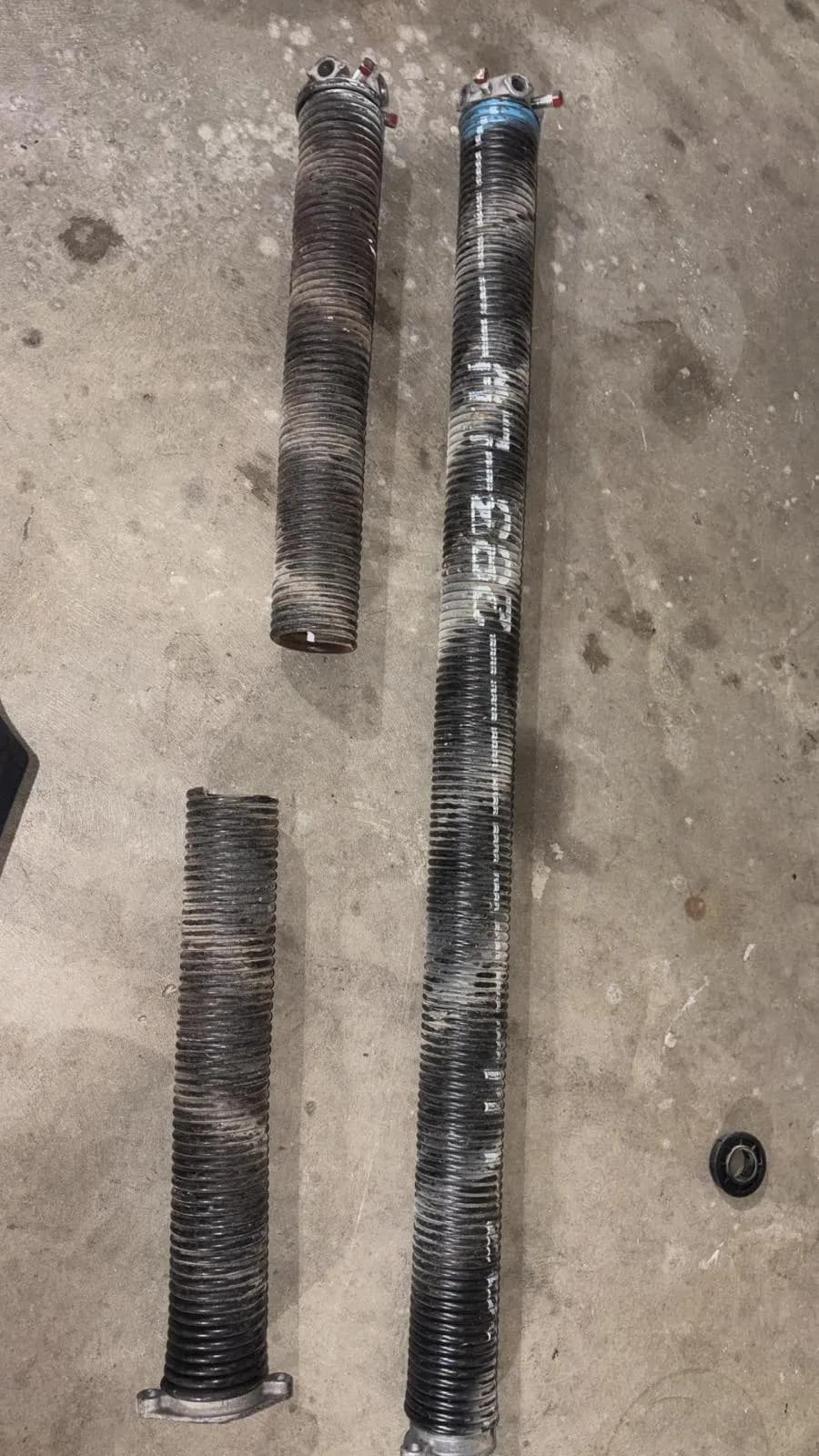
Why do garage door springs break in the cold?
Springs fail from fatigue, and cold makes the steel a little less forgiving. A spring near the end of its life already has small cracks in the wire. When temperatures drop and the door is stiffer to move, that spring is pushed past its limit and snaps, often with a loud bang while the door is closed.
Milwaukee's coldest mornings fall well below zero, and Cleveland regularly sees long stretches below freezing. A spring that might have lasted a few more months in mild weather often breaks during the first hard freeze. If yours does, leave the door closed and see our broken spring repair page. Our Milwaukee broken spring repair page covers how subzero winters affect springs there.
Why is my garage door opener slow or weak in winter?
Grease and oil thicken in the cold. The rollers, hinges and bearings resist more, and the opener's own drive has to work harder. Many openers sense that extra resistance and stop or reverse to protect themselves, which can look like a broken opener even though nothing is broken.
Batteries suffer too. Remotes and keypads in a cold garage or a car parked outside lose range or stop responding as their batteries weaken. Battery backup units in the opener may hold less charge. Older openers with worn gears may finally strip under the extra load. If the opener hums without moving the door, or the problem continues after the door warms up, have the opener and the door's balance checked together.
Why is my garage door frozen to the ground?
Snow melts off cars or blows under the door during the day, then refreezes at night and bonds the rubber bottom seal to the slab. When you press the button, the opener pulls against ice that won't let go. It may strain, stop, or tear the seal. Running it again and again can also strain the springs and cables.
Free the seal gently. Chip ice away from the edge with a plastic tool, not a metal shovel or ice pick, and use a pet-safe ice melt along the threshold. Warm air from a hair dryer can loosen a stubborn spot. Don't pour boiling water on it, since it can refreeze into a thicker layer. Once the door is free, sweep slush away from the threshold before the next freeze.
What does lake-effect snow do to garage doors in Cleveland?
Lake-effect snow off Lake Erie falls heaviest on Cleveland's east side, in eastern Cuyahoga County and into Lake and Geauga counties. The season usually runs from November into January, until the lake freezes over. Wet, heavy snow drifts against the door, packs under the bottom edge and freezes the seal to the slab, sometimes several mornings in a row.
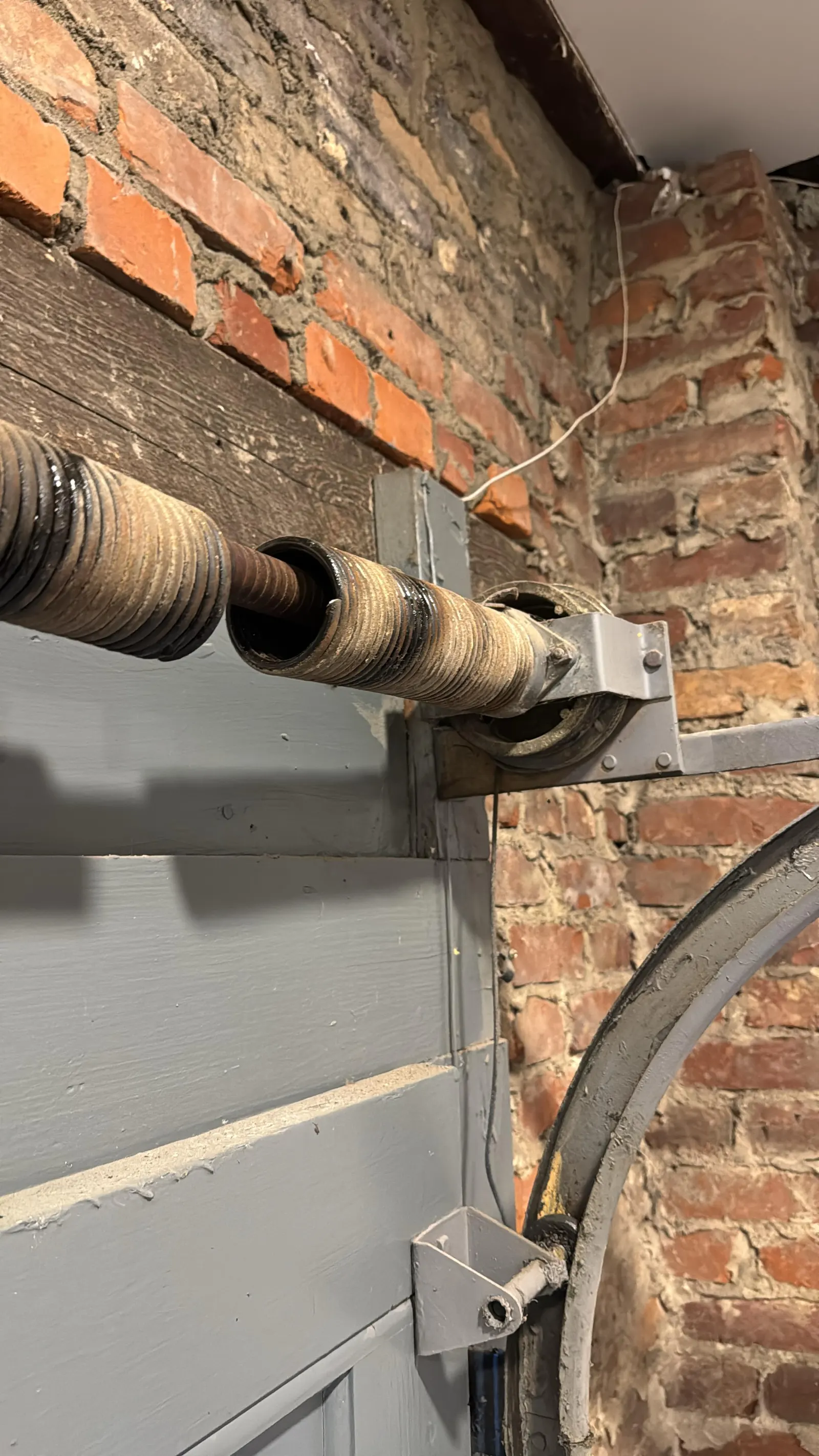
Road salt is the other big factor. Salt-laden slush drips off cars onto the floor and splashes onto the bottom section, the tracks and the bottom brackets, which rust faster as a result. Our Cleveland area page covers local conditions, including the region's large stock of older detached garages.
How do Milwaukee winters differ?
Lake-effect bands reach southeast Wisconsin only a few times in a typical winter, because prevailing winds carry most Lake Michigan snow toward the Michigan side. The bigger issues for Milwaukee doors are deep cold, long freeze-thaw seasons and road salt. Subzero mornings are when stiff doors, weak springs and tired openers tend to give out, and repeated freezing and thawing works water into hinges, bearings and seals.
Can cold affect the safety sensors?
It can. Frost, condensation or blowing snow on the photo-eye lenses can block the beam, so the door won't close or reverses partway down. Snow piled against the side of the opening can also block the sensors. Wipe the lenses with a soft, dry cloth and clear snow from both sides of the opening. If the sensor lights stay off or flicker after that, a wire may have been damaged, which happens when snow shovels or snow blowers clip the low-mounted sensors.
Do insulation and weatherstripping help in winter?
They help the door and the garage. An insulated door keeps the garage warmer than an uninsulated one, which means less frost on the sensors, less condensation dripping onto the floor and a little less stiffness in the moving parts. It also helps if the garage shares a wall with living space or has a room above it.
Weatherstripping matters just as much. The bottom seal and the perimeter seals along the sides and top block the drafts and blowing snow that pile up at the threshold. Seals stiffen and crack after a few winters, and a torn bottom seal lets meltwater pool where it will freeze the door to the floor. Replacing worn seals is a small job that pays off on every cold morning. If you're thinking about a new door, ask about insulated models with a fresh set of seals.
What winter checks can you do safely?
These steps help a door get through winter without anyone touching the springs, cables or anything under tension.
- Keep snow and slush cleared from the threshold and the base of the tracks
- Wipe frost and snow off both sensor lenses
- Replace remote and keypad batteries before the coldest weeks
- Free a frozen bottom seal with a plastic tool or ice melt, never by forcing the opener
- Rinse salt off the bottom section and tracks on milder days
- Watch for a door that feels heavy, jerks or sits crooked, and stop using it if it does
Should you get a tune-up before winter?
A fall tune-up is the most useful maintenance visit of the year in cold climates. A technician checks the door's balance and spring condition, replaces dried-out lubricant with one suited to cold weather, inspects cables, bearings and rollers, checks for rust on brackets and fasteners, and tests the opener's force and reversal settings. A worn spring found in October can be replaced on your schedule instead of on a January morning with the car stuck inside.
A worn or cracked bottom seal is worth replacing before the snow, too. A good seal keeps drifting snow out and freezes to the floor less often than a torn one. See our garage door maintenance page for what a tune-up covers.
When should you call for help?
Call if a spring has broken, a cable looks slack, the door is crooked, the opener hums without moving, or the door keeps reversing after you've cleared ice and cleaned the sensors. If the door won't close because of the sensors or the travel settings, our guide on why a garage door won't close all the way goes deeper. Call (888) 754-4130 and we'll schedule the earliest available visit.