
Garage Door Only Closes When You Hold the Button? Here's Why
By the H&D Garage Door team · Updated
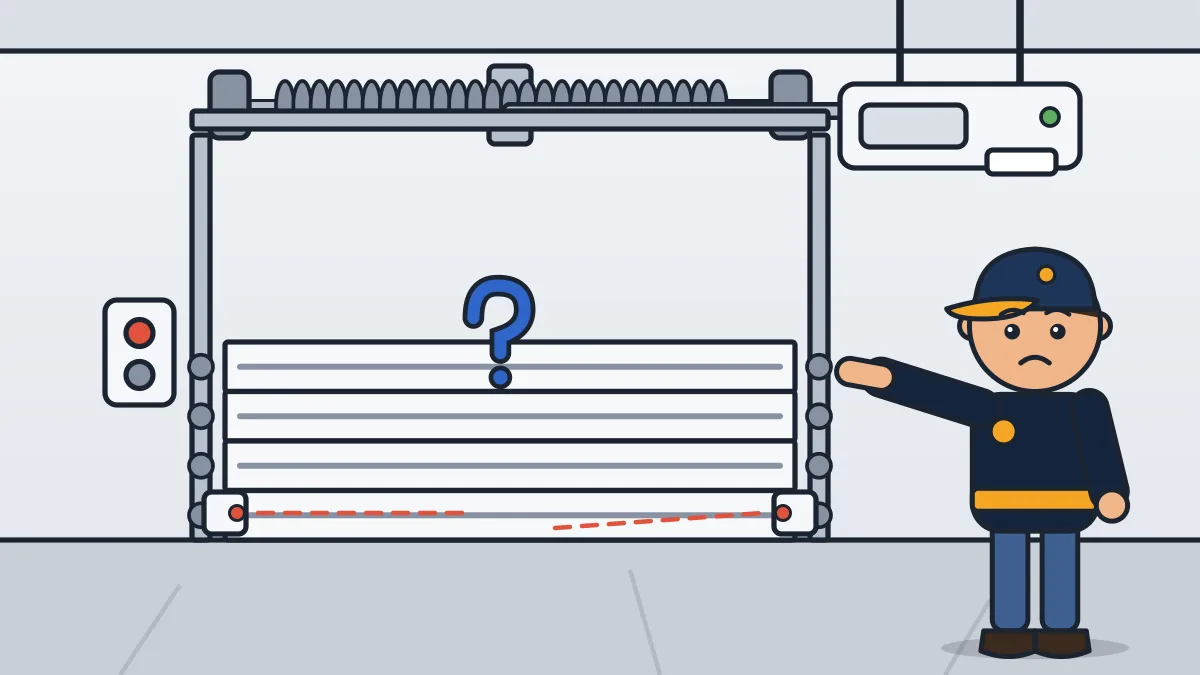
Why does my garage door only close when I hold the button?
Because the opener thinks something is in the doorway. The photo-eye sensors near the floor send an invisible beam across the opening. If the beam is blocked or the two sensors can't see each other, the opener refuses to close the door from the remote and reverses it instead.
Most openers then allow one exception: if you press and hold the wall button, the door closes as long as your finger stays on it. That's a deliberate safety override. You're standing there, watching the door, so the opener lets you take responsibility for the close. It's useful in a pinch, but it's a symptom to fix, not a way to live.
Is it safe to keep closing the door that way?
Only as a short-term fix, and only while you watch the whole opening until the door is down. With the sensors not working, the door won't stop and reverse automatically if a child, pet or object crosses its path late in the close.
If you have to use the hold-to-close override, make sure nobody is near the door, keep your eyes on the bottom edge and let go of the button the moment anything looks wrong. Then get the sensors checked.
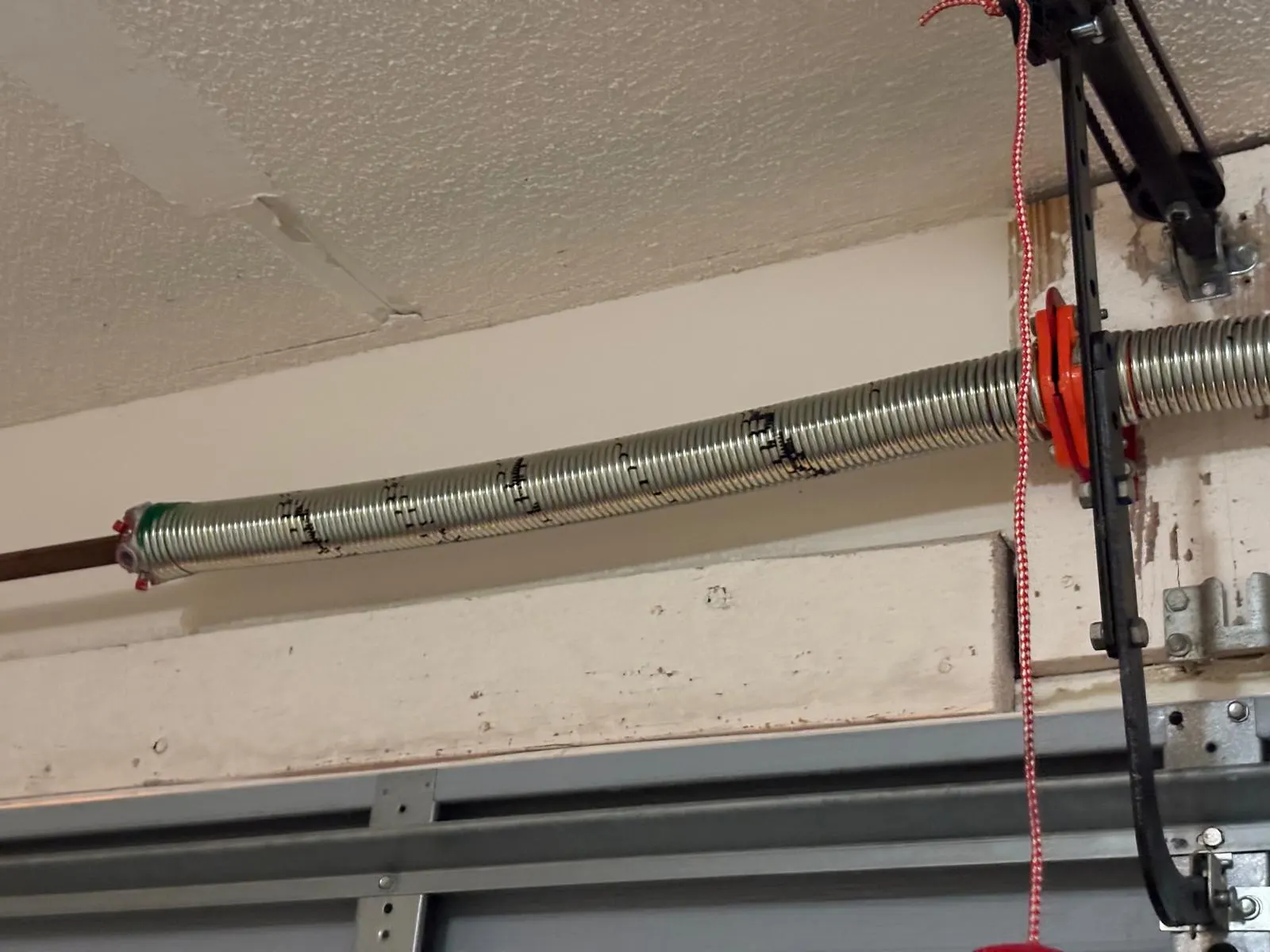
5 safe things to check first
These checks involve only the sensors and the area around them. None of them requires tools or touching any part under tension.
- Look for something in the beam. A broom, a recycling bin, a bag of mulch, a bike tire or even a cobweb across the lens can break it.
- Clean both lenses. Wipe each sensor's lens with a soft, dry cloth. Dust, pollen and spider webs build up near the floor.
- Check the sensor lights. Most sensors have a small light on each side. A steady light usually means the pair is aligned; an off or blinking light usually means they can't see each other. Our post on garage door sensor lights explains the colors.
- Look at the brackets. If a sensor got bumped by a car, a trash can or a lawn mower, it may be pointing slightly up, down or sideways. If it's loose or bent, note that for the technician.
- Watch for low sun. Strong morning or evening sun shining straight into one sensor can blind it. If the problem only happens at certain times of day, that's a clue.
When it's the wiring or the opener
If the path is clear, the lenses are clean and the lights still say the sensors can't see each other, the problem is likely the low-voltage wire that runs from each sensor to the opener, a failing sensor, or the opener's logic board. Wires get stapled too tight, chewed, or pinched behind shelves. Leave wire repairs and opener settings to a technician; a wrong fix can leave the door closing without working safety sensors.
Our garage door opener repair service covers sensor replacement, wiring and logic board problems. If the opener is old and has had other issues too, opener replacement may be the better call, since new sensors come with the new unit. For a full guide to what the sensor lights mean, see garage door sensor lights explained.
When the sensors aren't the problem at all
Sometimes a door reverses on the way down because it physically binds, not because of the sensors. If the door goes down a few feet and then bounces back up, or stops and reverses at the same spot each time, the opener may be sensing resistance from a bent track, a worn roller or a door that's out of balance.
In that case holding the button doesn't help, and forcing it can make things worse. The same goes for a door that closes but leaves a gap at the bottom; our post on why a garage door won't close all the way covers that. Any time a spring or cable looks broken or loose, stop using the door and call. Those parts are under heavy tension and are not a DIY repair.