What does Milwaukee's cold do to a garage door?
Milwaukee's January averages a high near 28°F and a low near 16°F, and the city's record low is -26°F, set in 1982 and tied in 1996. That kind of cold changes how every part of a garage door system behaves.
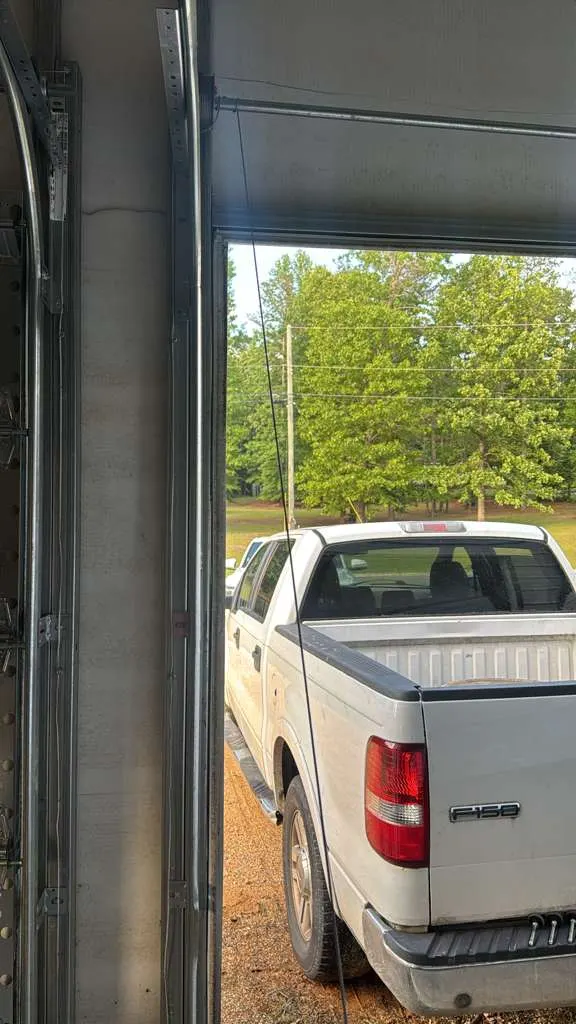
Steel springs lose some forgiveness in deep cold, so a spring near the end of its cycles is more likely to snap on a subzero morning. Grease in the opener and on the rollers thickens, which makes the door slower and can trip the opener's force limit so the door reverses. Rubber bottom seals and weatherstripping stiffen and crack, and once they crack, snowmelt gets under the door and freezes it to the slab.
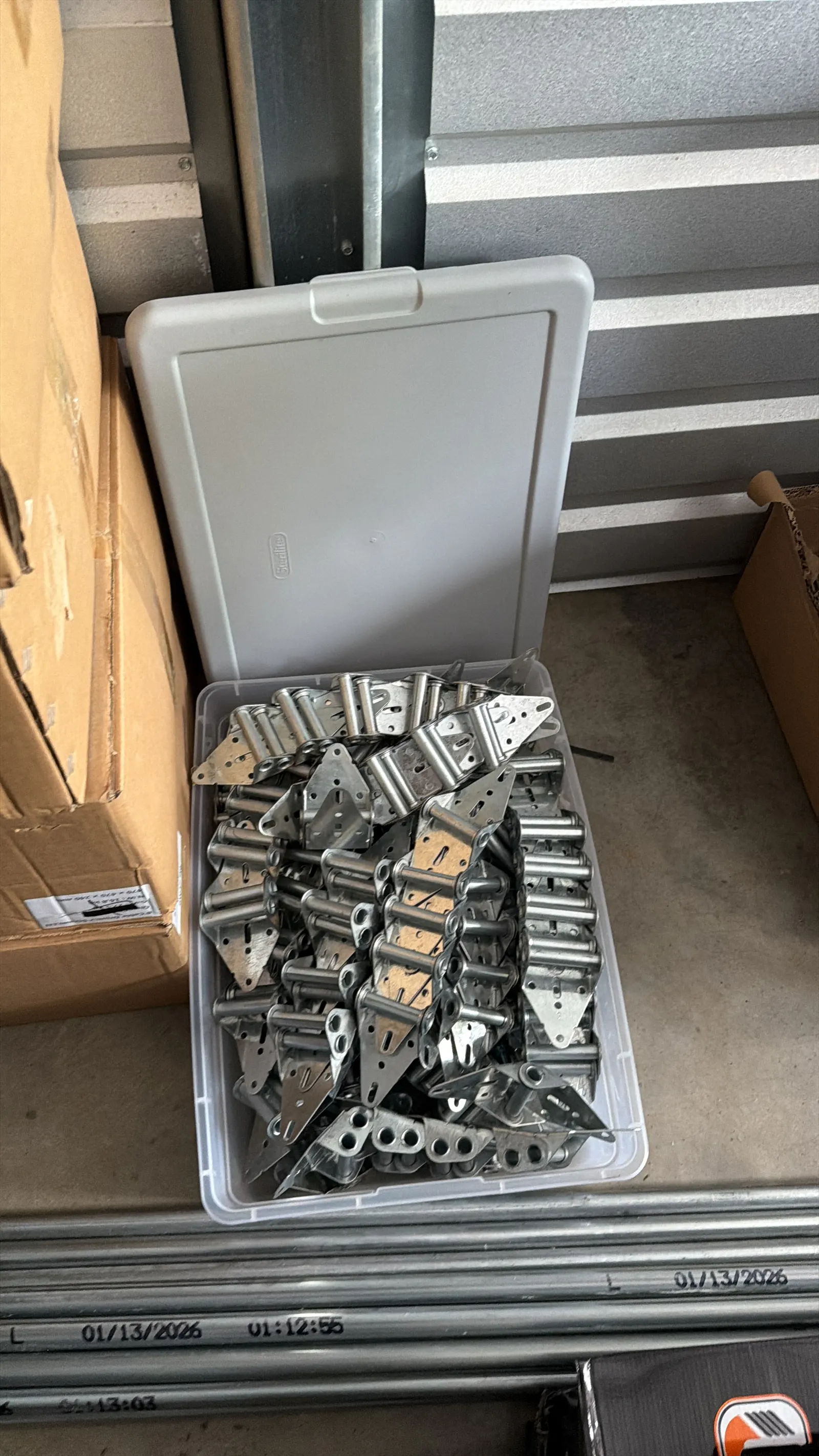
Most of these failures announce themselves. A door that's louder, slower or jerkier as the weather turns is worth a look before the first real cold snap. See broken spring repair in Milwaukee for one of the most common winter repairs.
Does lake-effect snow hit Milwaukee?
Less than you might think. Prevailing winds blow west to east across Lake Michigan, so most lake-effect snow falls on the Michigan side. Lake-effect events reach southeast Wisconsin only a handful of times in a typical winter, usually when north or northeast winds push bands into the lakeshore counties. Milwaukee's normal seasonal snowfall is about 49 inches.
The lake still matters. Shoreline neighborhoods such as Shorewood, Whitefish Bay, Cudahy and South Milwaukee feel the lake's damp air and the spring "cooler by the lake" breeze. Damp air and salt spray from plowed streets keep steel hardware wet longer, which speeds up rust on rollers, hinges and cables.
Inland, in Waukesha County and the western suburbs, cold air settles harder on clear winter nights. Those are the mornings when frozen seals and stalled openers are most likely.
Bungalows and alley garages in Milwaukee, Wauwatosa and West Allis
More than 40% of the housing in the city of Milwaukee was built before 1940, according to the city's own planning documents, and much of the rest went up between 1940 and 1959 on the northwest side and the far south side. The bungalow belt that runs through the city and into the inner suburbs was laid out on grid blocks split by alleys, with narrow lots around 40 feet wide. Garages on those lots are usually detached and face the alley.
Wauwatosa, which called itself the "City of Homes," added hundreds of houses in the 1920s, including the Washington Highlands. West Allis grew up around the Allis-Chalmers works, with blocks of worker housing built from the 1920s through the early 1950s.
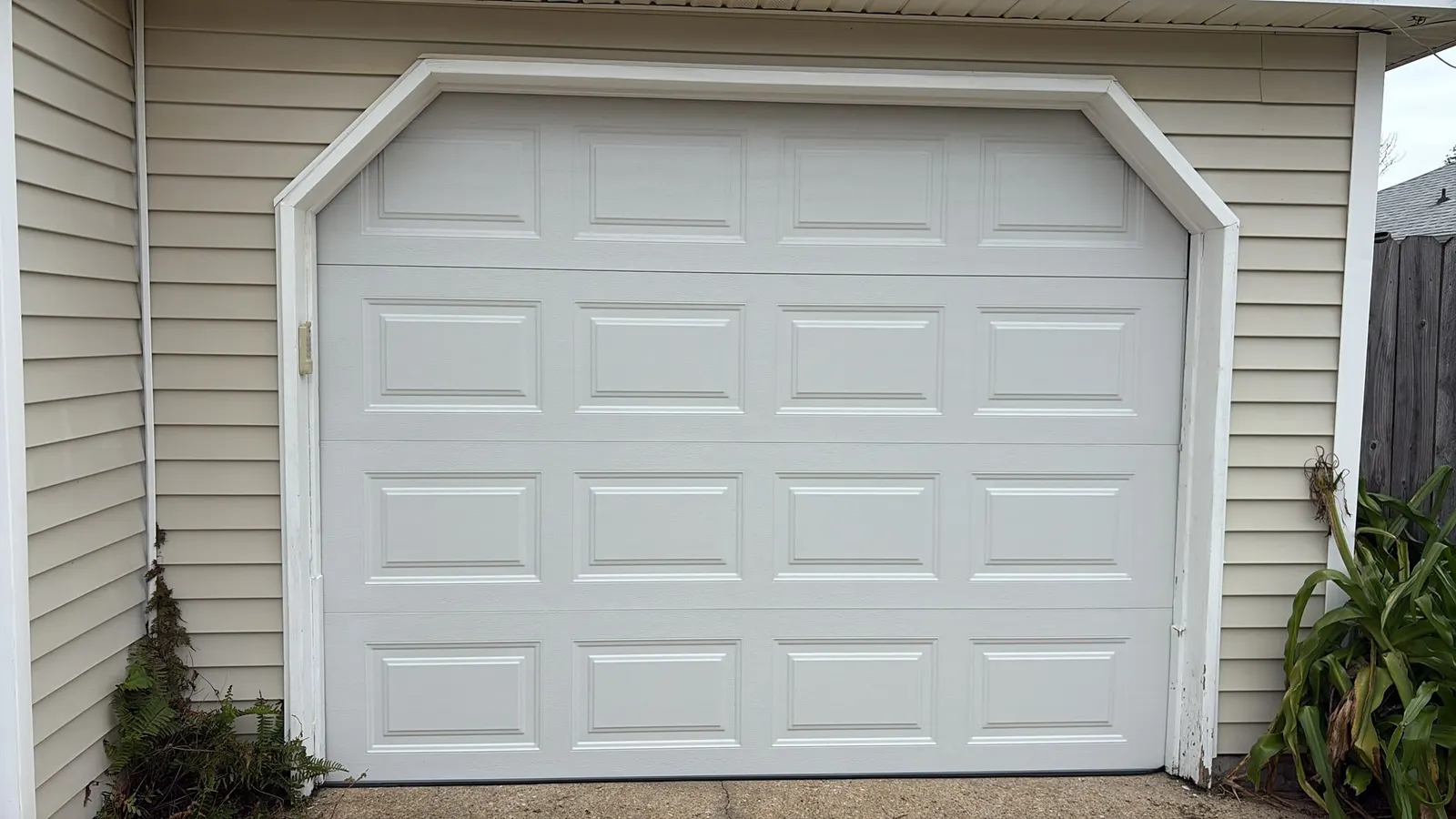
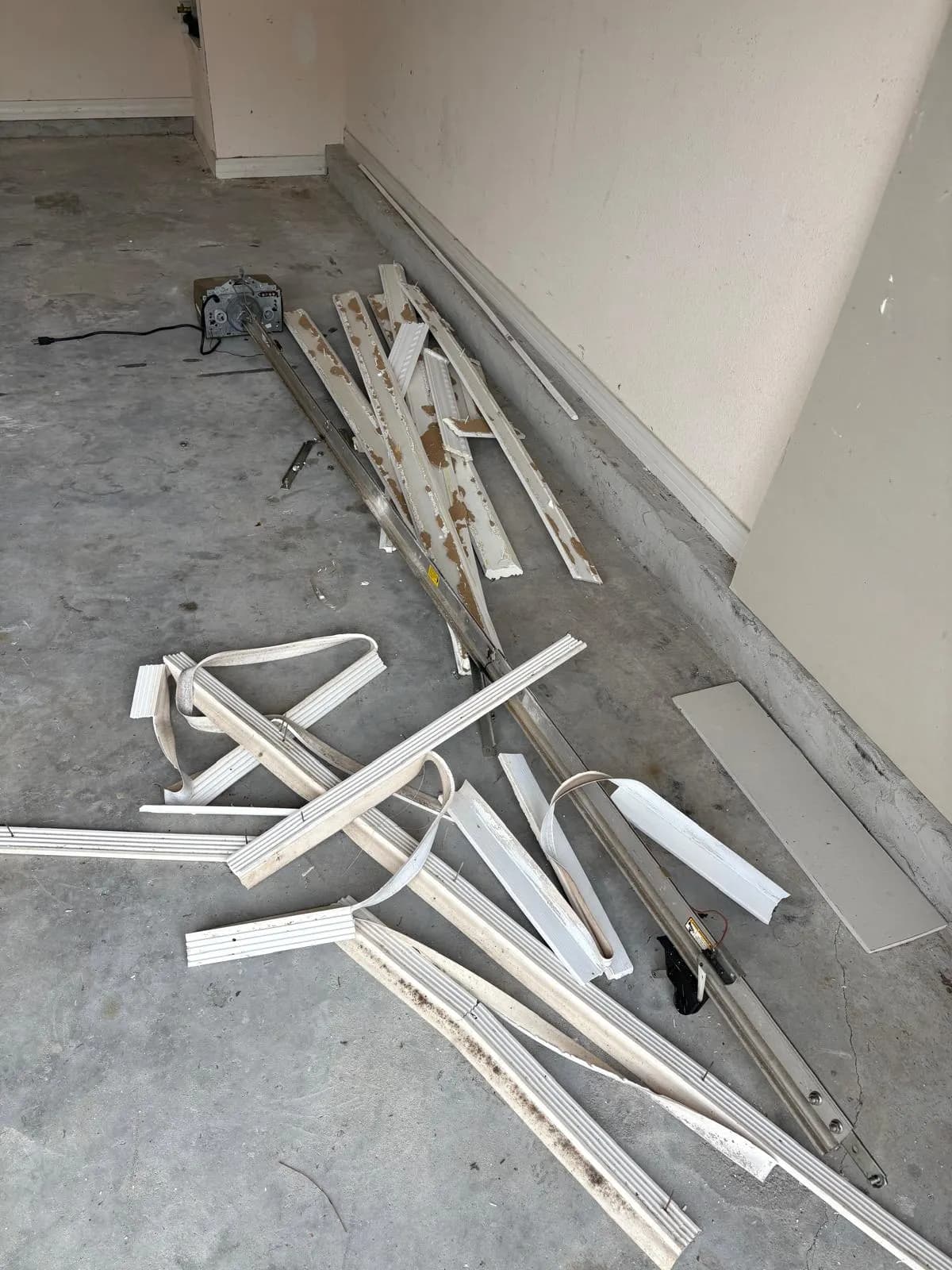
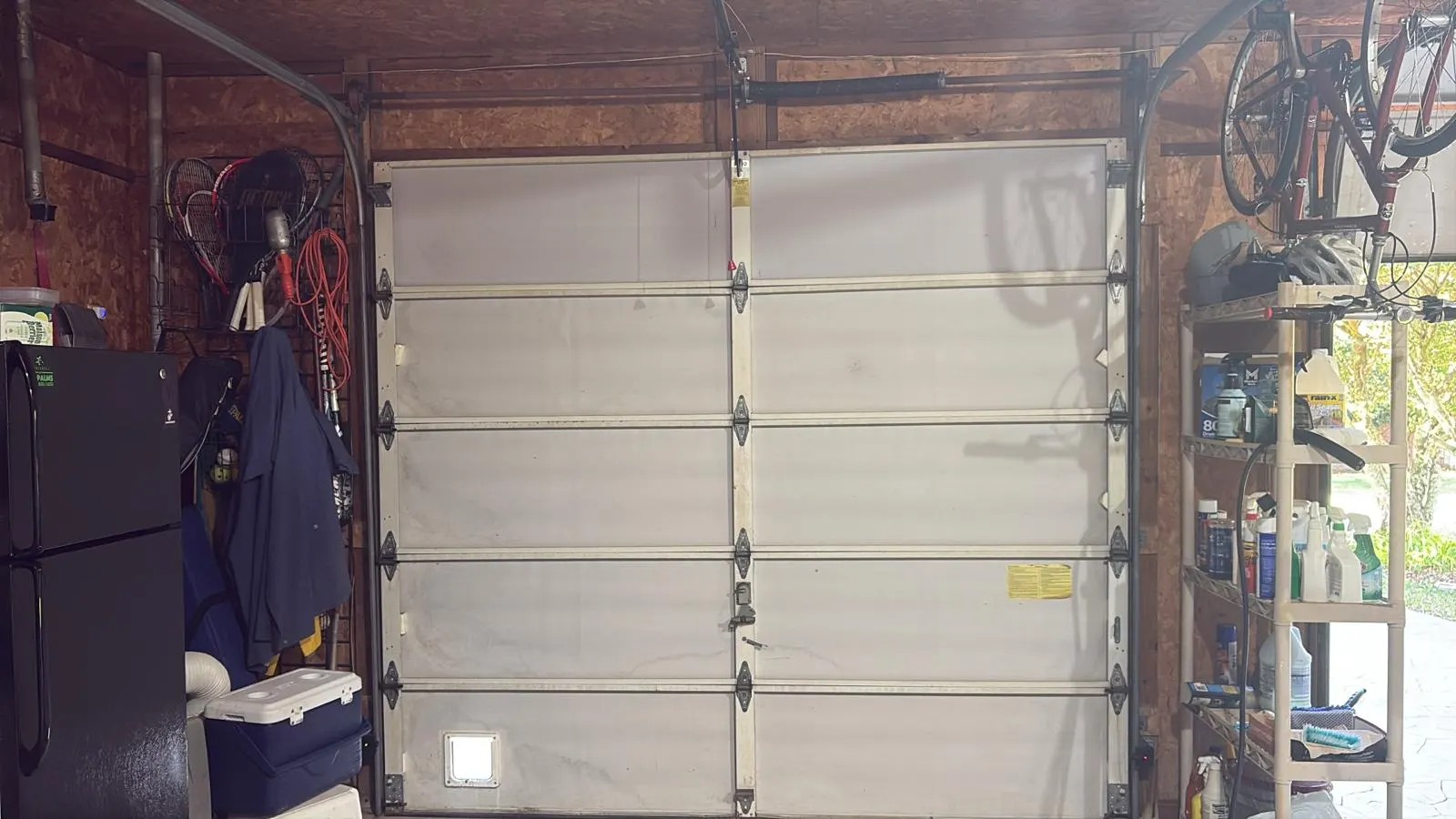
Alley garages bring specific problems. Doors get clipped by cars and trash trucks backing through narrow alleys. Openings are often single-car and not a modern standard size. Slabs settle and crack, and alley drainage can send meltwater under the door. Many still have extension springs and older wood or thin steel doors. Our garage door repair team in Milwaukee handles all of these.
Newer subdivisions in Waukesha County and Lake Country
West of the city, the housing changes. Brookfield incorporated in 1954 and filled in with ranch homes on large lots. New Berlin, Menomonee Falls and Muskego grew in the decades after. Today, new subdivisions keep going up around Pewaukee, Oconomowoc and Hartland, and Lake Country communities have posted some of the fastest population growth in Waukesha County in recent years.
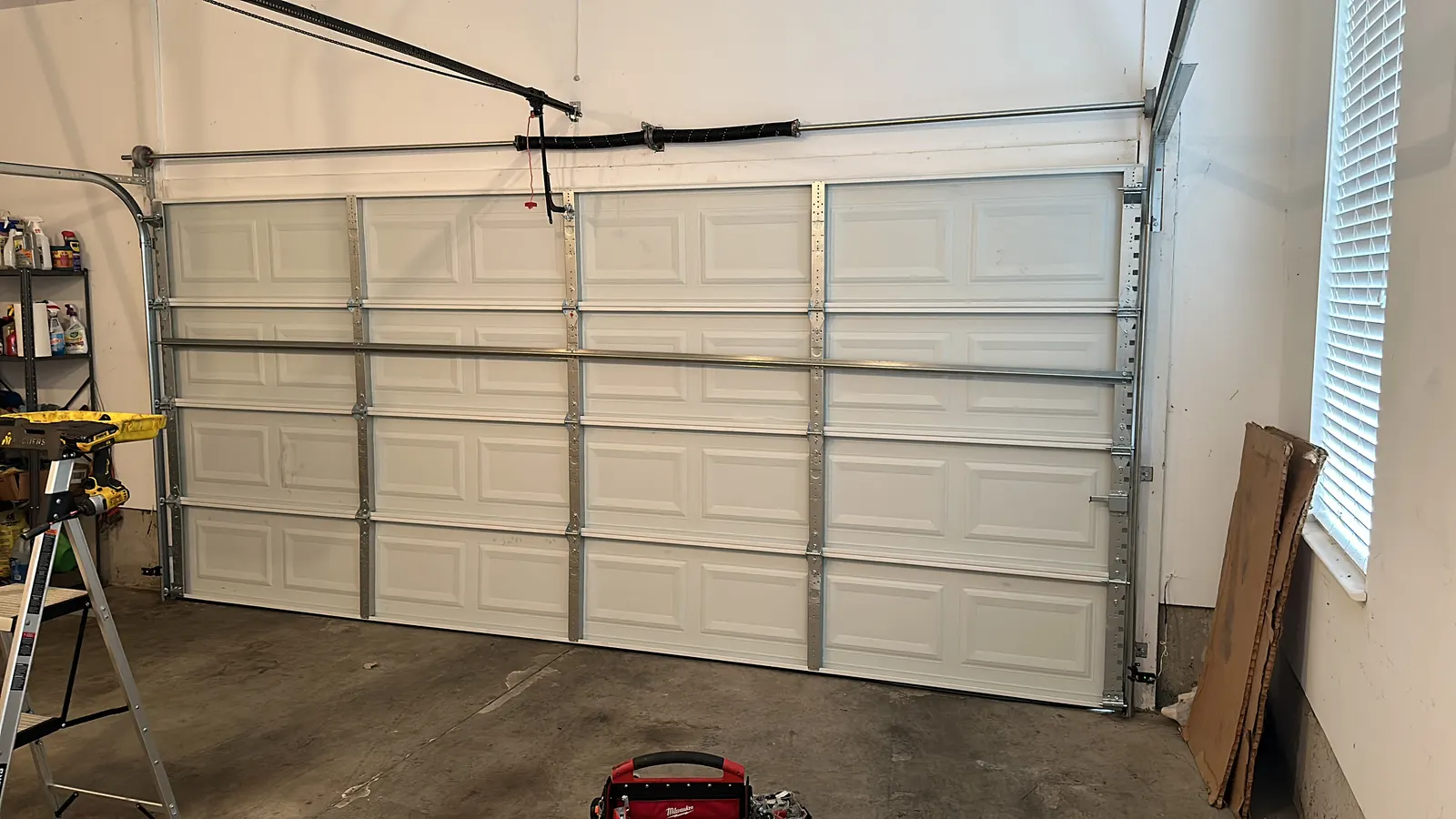
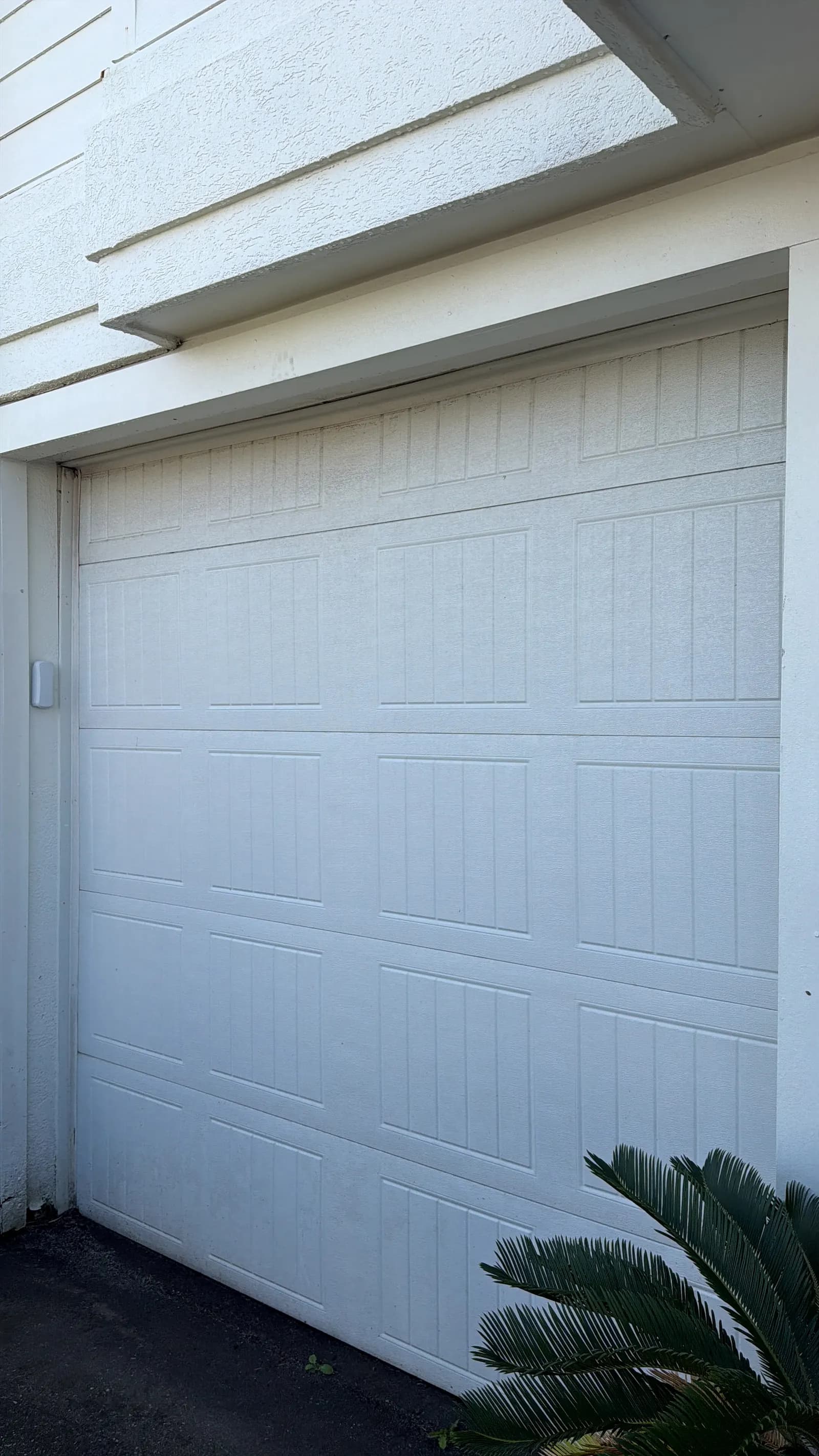
These homes mostly have attached two- or three-car garages with insulated steel doors, torsion springs and belt-drive openers. Common problems are builder-grade springs wearing out, opener boards and keypads failing, and seals that let wind and cold into a garage that shares a wall with the house. Older ranches in Brookfield and New Berlin often still have their first door, now ready for replacement. See garage door installation in Milwaukee for what to look for in a new door.
Do you need a permit to replace a garage door in Milwaukee?
In the City of Milwaukee, the building department's permit checklist says replacing a door on a one- or two-family home doesn't need a permit as long as the size of the opening doesn't change. Changing the size of the opening does need one, and so does work on a city-designated historic structure or a home in a historic district. Milwaukee has several historic districts, including bungalow districts, so check before you change the look of a garage there.
Suburbs set their own rules, so Wauwatosa, West Allis, Brookfield and the rest may differ. Check with your city's building department. We'll tell you if we think your project changes the opening or the structure.
Commercial doors and gates around Milwaukee
Milwaukee is still a manufacturing town. The Menomonee Valley Industrial Center houses light manufacturers in the river valley just west of downtown. Oak Creek and Franklin have grown into warehouse and distribution hubs along I-94 and the southern suburbs, and industrial buildings line corridors in West Allis, Menomonee Falls and Germantown.
These sites run sectional overhead doors, rolling steel doors and dock doors that cycle all day in freezing weather, plus perimeter gates that secure trucks and equipment. We repair and replace commercial doors and gates; see commercial garage door repair for door service.
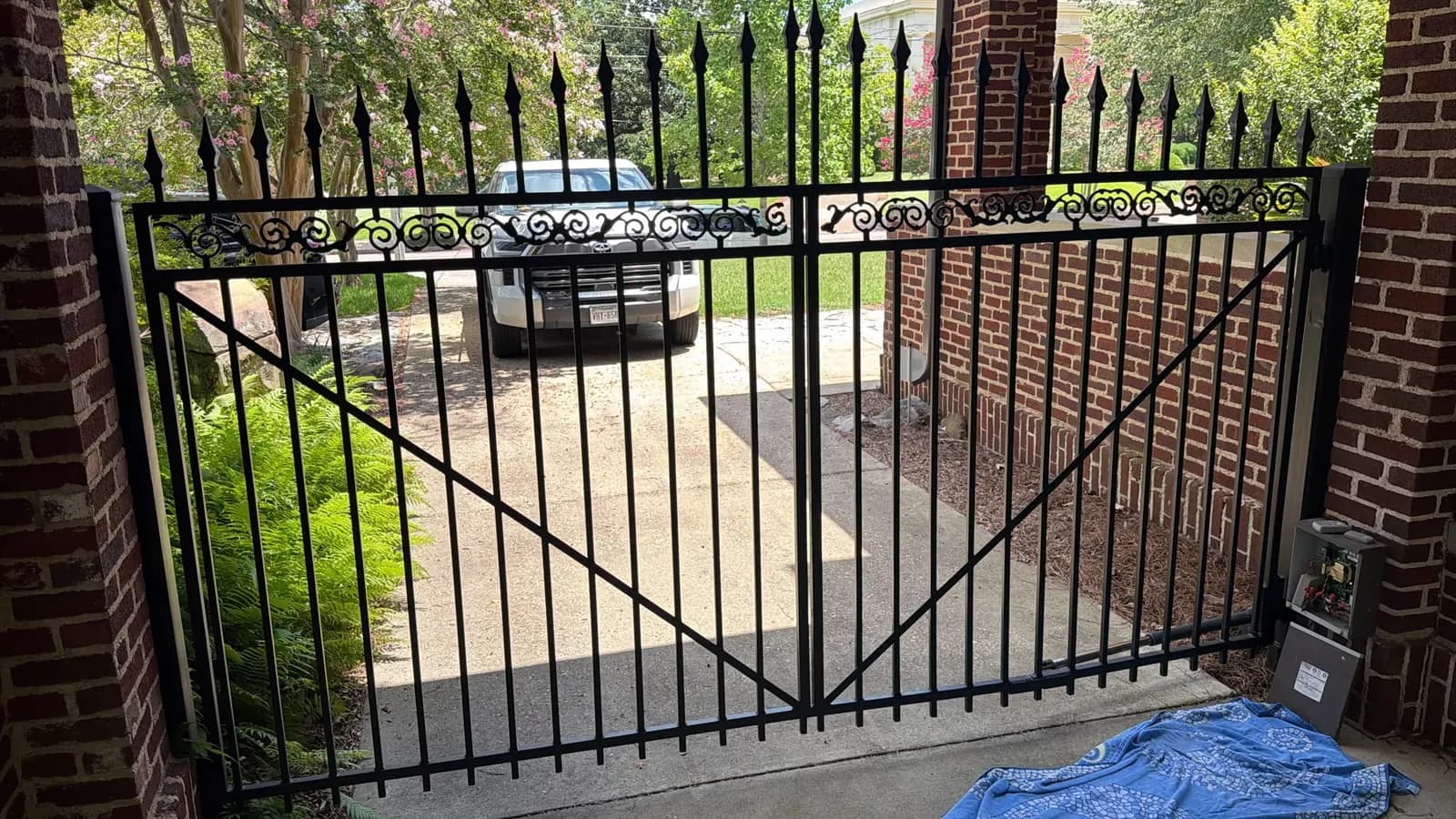
Gated neighborhoods are rare in the Milwaukee area. Residential gates mostly show up as private driveway gates on estate properties, such as those in River Hills, and at some gated apartment and townhome communities in places like Mequon and Brown Deer. See gate repair in Milwaukee and automatic gate repair in Milwaukee.
Areas we serve around Milwaukee
We cover Milwaukee County and the surrounding counties in southeast Wisconsin. This is how we group neighborhoods when we plan the day:
- North Shore: Shorewood, Whitefish Bay, Glendale, Brown Deer, Mequon
- West side and inner suburbs: Wauwatosa, West Allis, Greenfield, Brookfield, New Berlin
- South Shore and southern suburbs: Cudahy, South Milwaukee, Oak Creek, Franklin, Greendale, Hales Corners, Muskego
- Waukesha County and Lake Country: Waukesha, Menomonee Falls, Sussex, Pewaukee, Hartland, Delafield, Oconomowoc, Mukwonago
- Ozaukee and Washington counties: Cedarburg, Grafton, Port Washington, Germantown, West Bend
- Farther out, depending on the schedule: Caledonia, Mount Pleasant, Racine, Waterford, Burlington, Kenosha, Pleasant Prairie
How scheduling works in Milwaukee
Call us or use the contact page. Let us know your city or neighborhood, what the door or gate is doing, and whether a vehicle is trapped inside. We'll set the earliest available visit and give you an arrival window.
On site, the technician checks the full system, shows you what's wrong, and prices the job before starting. The price depends on the parts needed, the door's size and weight, and the condition of the hardware. Special-order doors and panels are measured on the first visit and installed on a second.
Explore all of our garage door services and gate services, or call to get on the schedule.