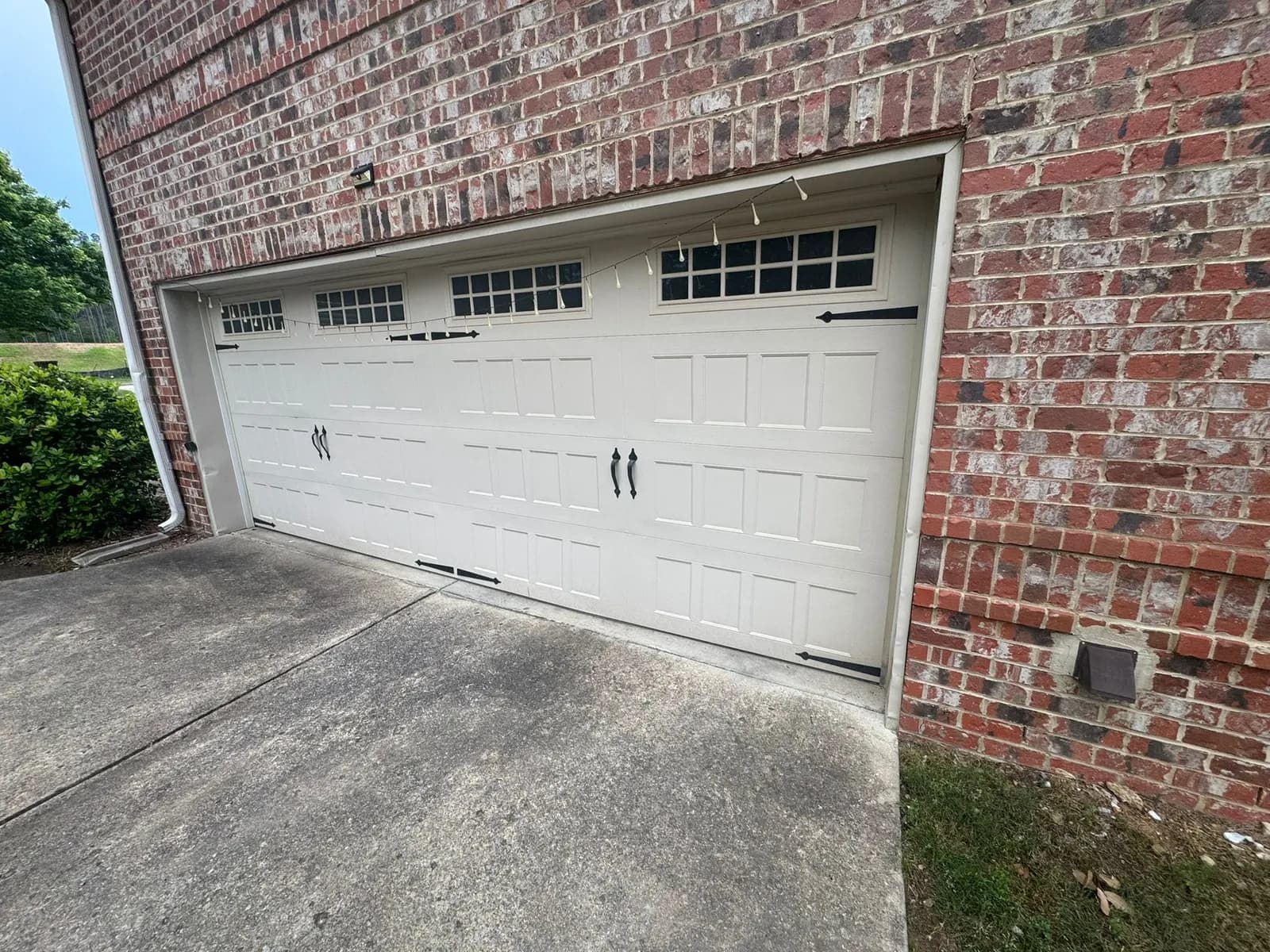
How do you know a garage door spring is broken in Beachwood?
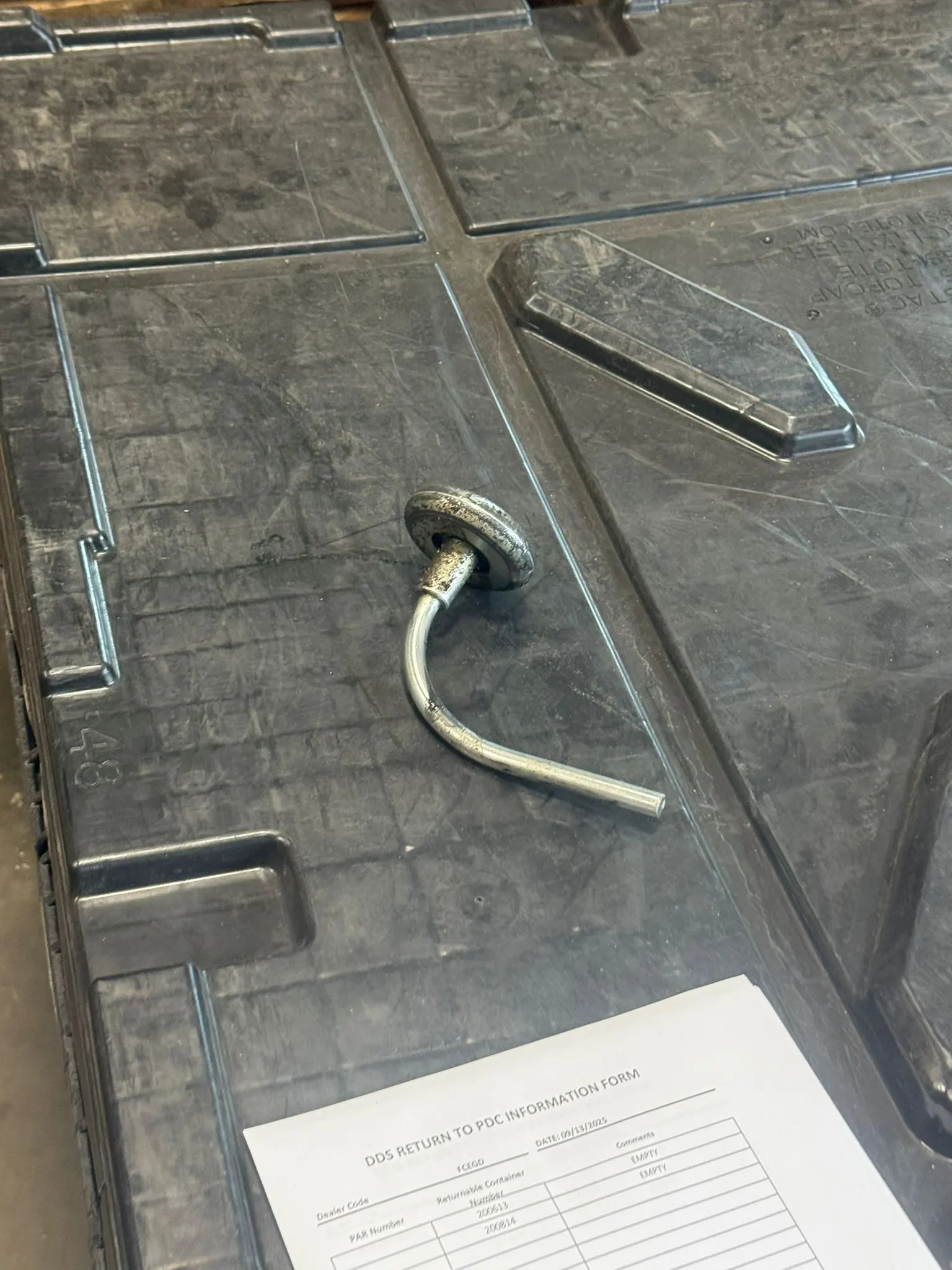
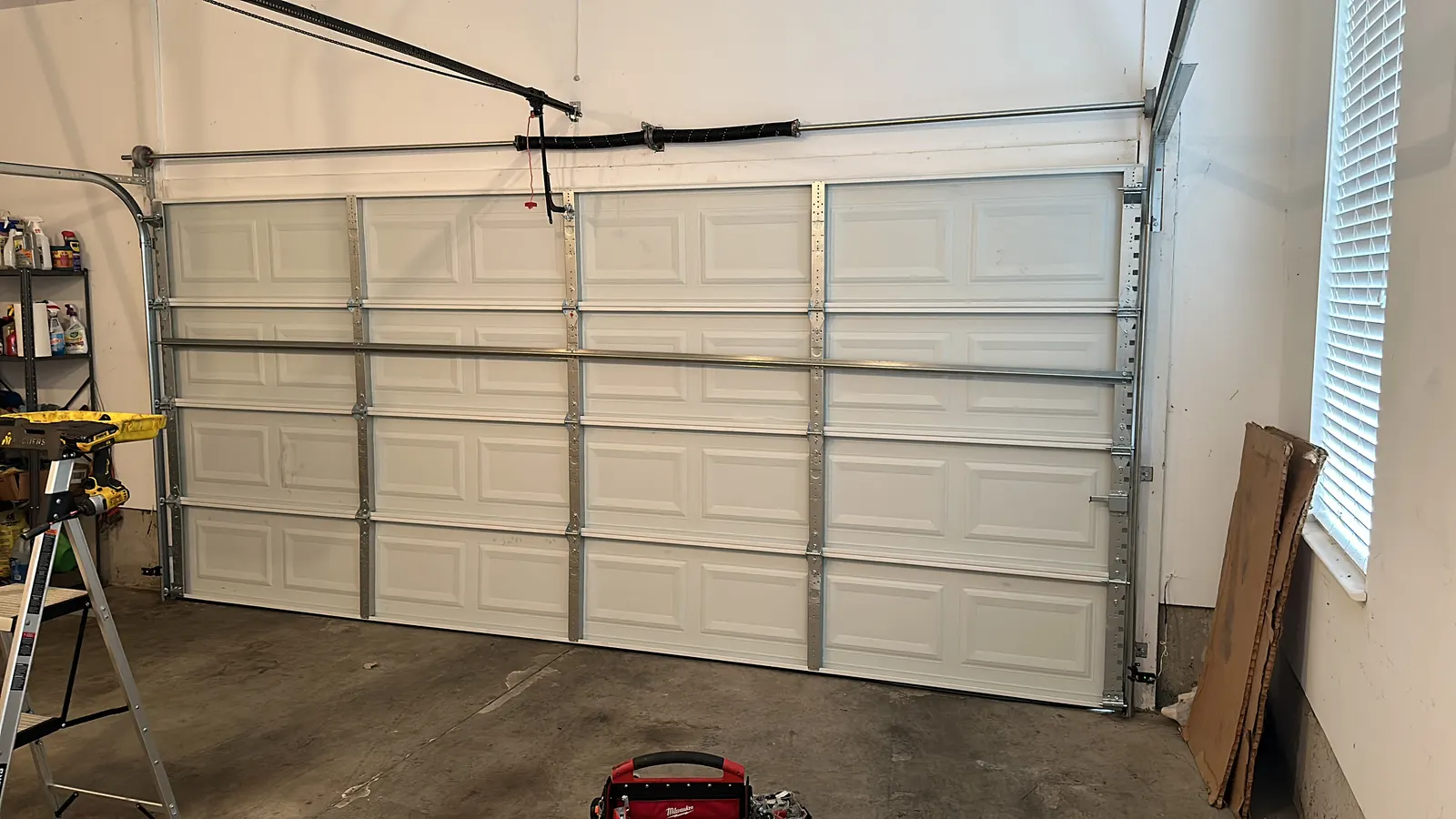
The signs are usually obvious once you know them. You may hear a loud bang from the garage when nobody is using the door. The door may rise a few inches and stop, or the opener may strain and hum while the door barely moves. Look at the spring above the door: a broken torsion spring has a clear gap in the coil.
Beachwood is on the east side, where lake-effect snow and long cold stretches are common. Cold steel loses some flexibility, and a spring that is already near the end of its cycle count often gives out on the first hard freeze. That is why spring breaks tend to cluster in early winter.
Once a spring breaks, stop using the opener. The motor is not built to lift the full weight of the door, and forcing it can strip gears or bend the top panel. Never try to wind or unwind a torsion spring yourself. Our broken spring repair service for the Cleveland area explains what we replace and how we balance the door afterward.
Beachwood's mid-century homes and their garages
Beachwood was a tiny village for decades. It was incorporated in 1915 with 151 residents and still had only 372 people in 1940. After World War II it grew fast, reaching about 9,600 residents by 1970, and it became a city in 1960.
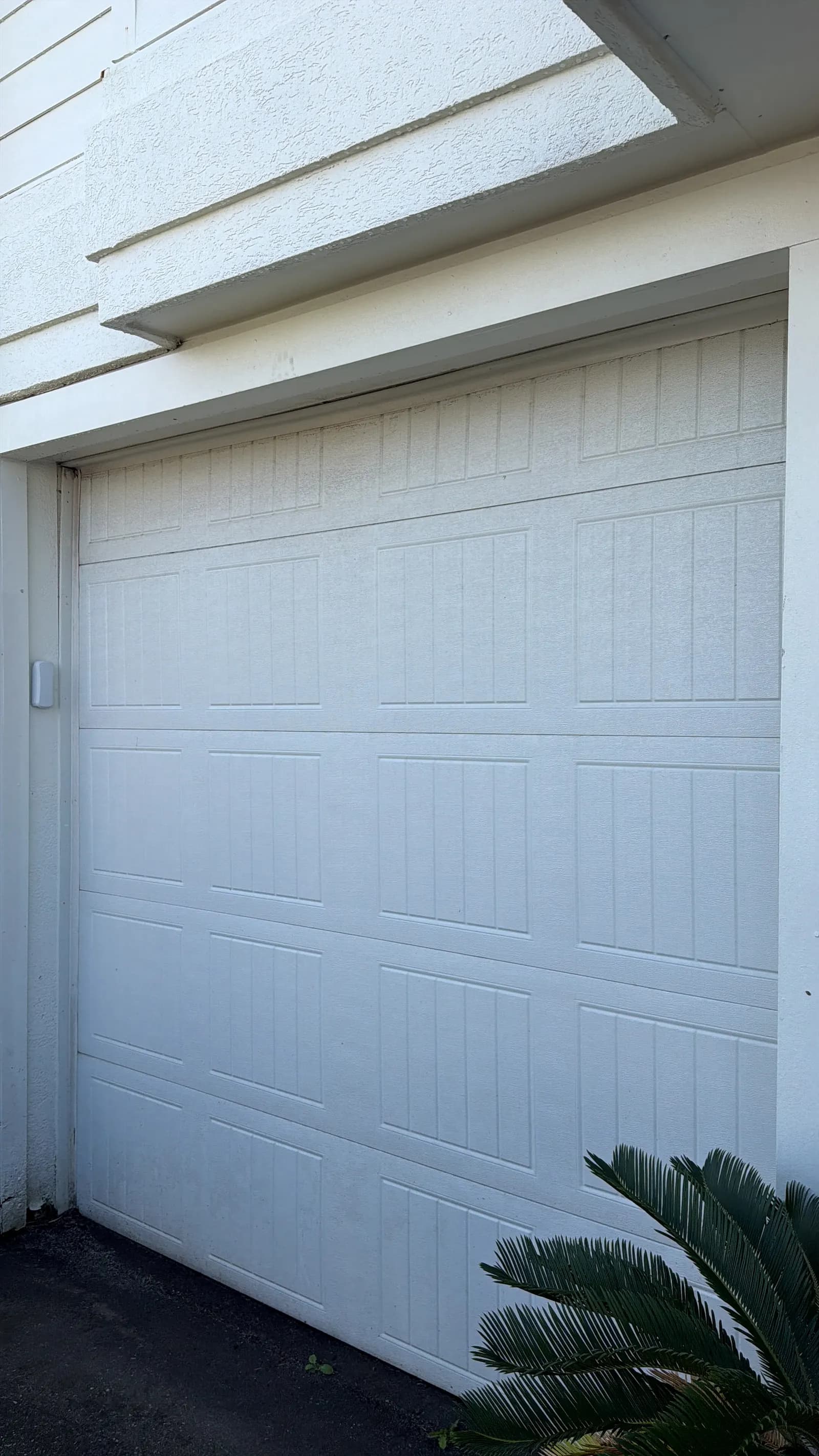
That timeline means most of Beachwood's single-family homes were built in the 1950s and 1960s. Colonials, ranches and split-levels with attached garages are typical, and many of those garages have been through two or three door replacements since.
Homes from that era sometimes carry odd details: a door opening a few inches off a standard size, older framing that was patched when a previous door went in, or a single wide door where a buyer today might want two. If you are remodeling, ask us about the opening before you choose a door style. Our garage door installation team can tell you what will fit.
Condos and apartment garages
Beachwood has more than 2,900 homes and more than 2,500 apartment and condominium units, and the share of multi-family living keeps growing. The city has a long run of office buildings being converted to apartments, including a planned 147-unit building on the site of a former Commerce Park office building.
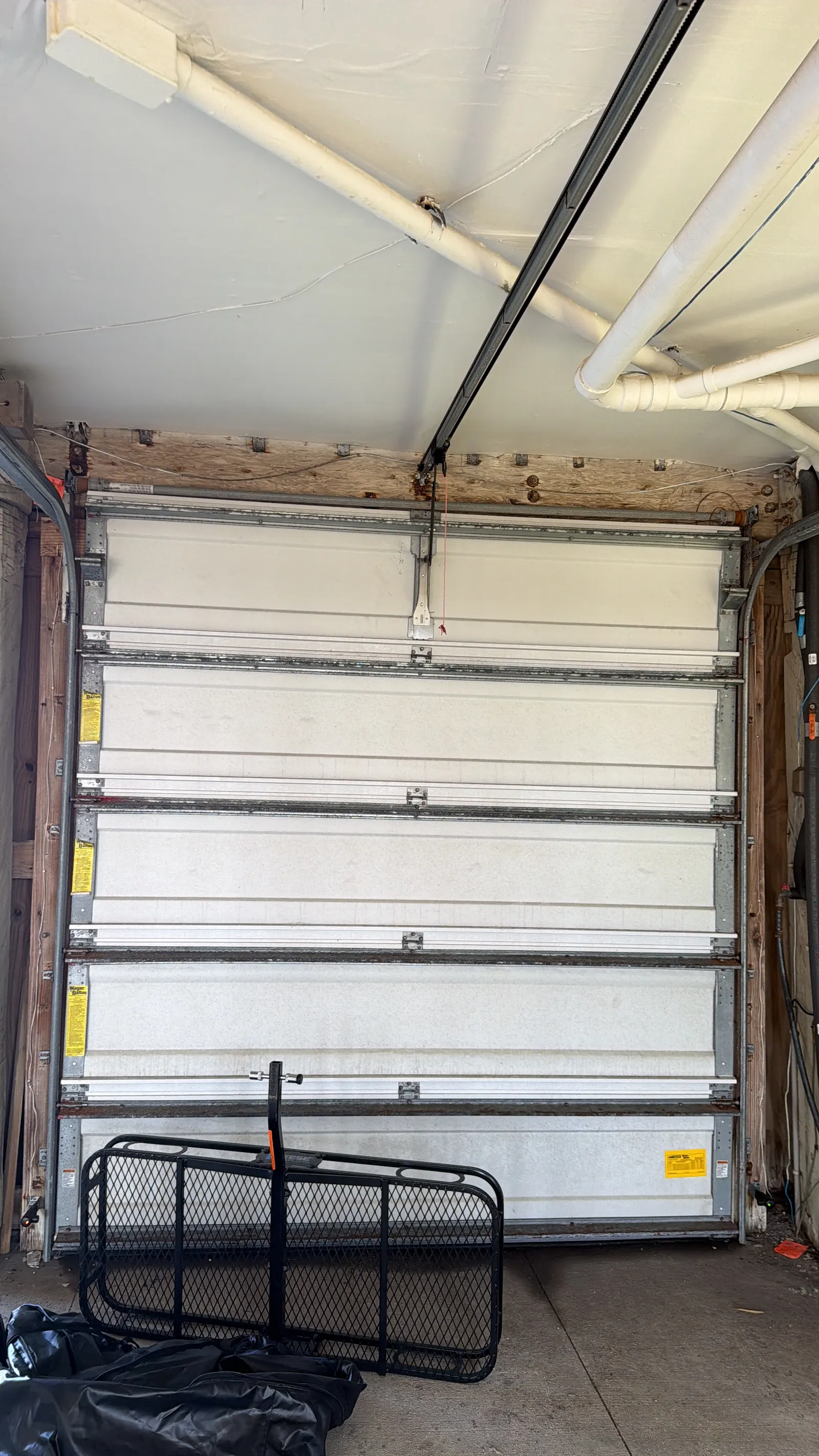
Shared parking garages and condo garage rows use doors that open and close many times a day. Those doors wear out springs, rollers and openers much faster than a single-family door. A failed door at a building entrance can also lock residents in or out.
If you manage a condo association or apartment building, we can look at both individual unit doors and larger commercial-style entrance doors. Tell us the number of doors and the type of operator when you call so the right parts come on the first visit.
Commerce Park and Beachwood's business district
Commerce Park opened in 1962 as an industrial park, and Commerce Park Square followed in 1966 as the area's first major office complex. Eaton runs its North American headquarters in Beachwood, and Beachwood Place anchors a large retail district along Cedar Road.
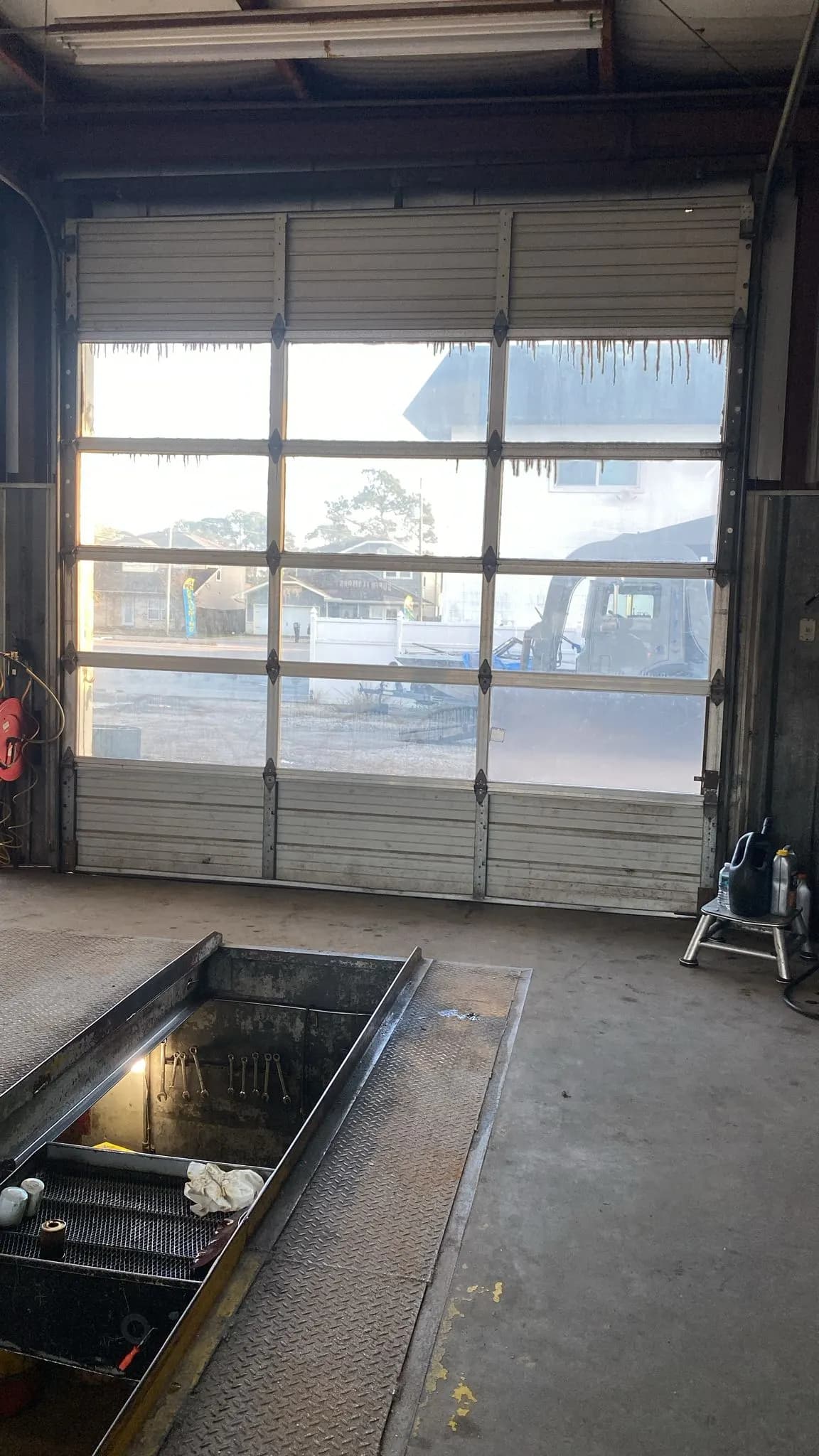
Office buildings, medical offices and retail centers here rely on loading-area overhead doors, service doors and sometimes rolling steel security doors. When one jams, deliveries stop or the building can't be secured at night.
We repair sectional and rolling commercial doors, replace worn springs and cables, and service the operators that run them. See our commercial garage door repair page for the full list.
Keeping a garage door healthy through an east-side winter
A little attention before winter goes a long way in Beachwood. Before the first big snow, look at the bottom seal. If it is torn, flattened or brittle, replace it so slush can't freeze between the door and the slab. Clear snow away from the bottom of the door, and keep salt from piling up against it.
Test the auto-reverse with a roll of paper towels on the floor under the door. If the door doesn't reverse when it touches the roll, call a technician. Check that the photo eyes on each side are clean and pointing at each other.
Listen too. A door that suddenly gets louder, shakes or moves unevenly is telling you a roller, hinge or spring is wearing out. Catching that in the fall is easier than dealing with it in a January storm.
What happens during a spring repair visit in Beachwood?
If your spring broke, you probably want to know what the technician will actually do. Here is the normal sequence, so you know what to expect and what to ask about.
First, the technician secures the door so it can't move and checks why the spring broke. Rust, a worn-out cycle count, a door that was out of balance or a bad bearing plate all point to different fixes.
Next comes measuring. Torsion springs are matched to the door's weight and height by wire size, inside diameter and length. A spring that is only close to right will leave the door heavy or make it fly up. If the door has two springs, we usually recommend replacing both because they have run the same number of cycles.
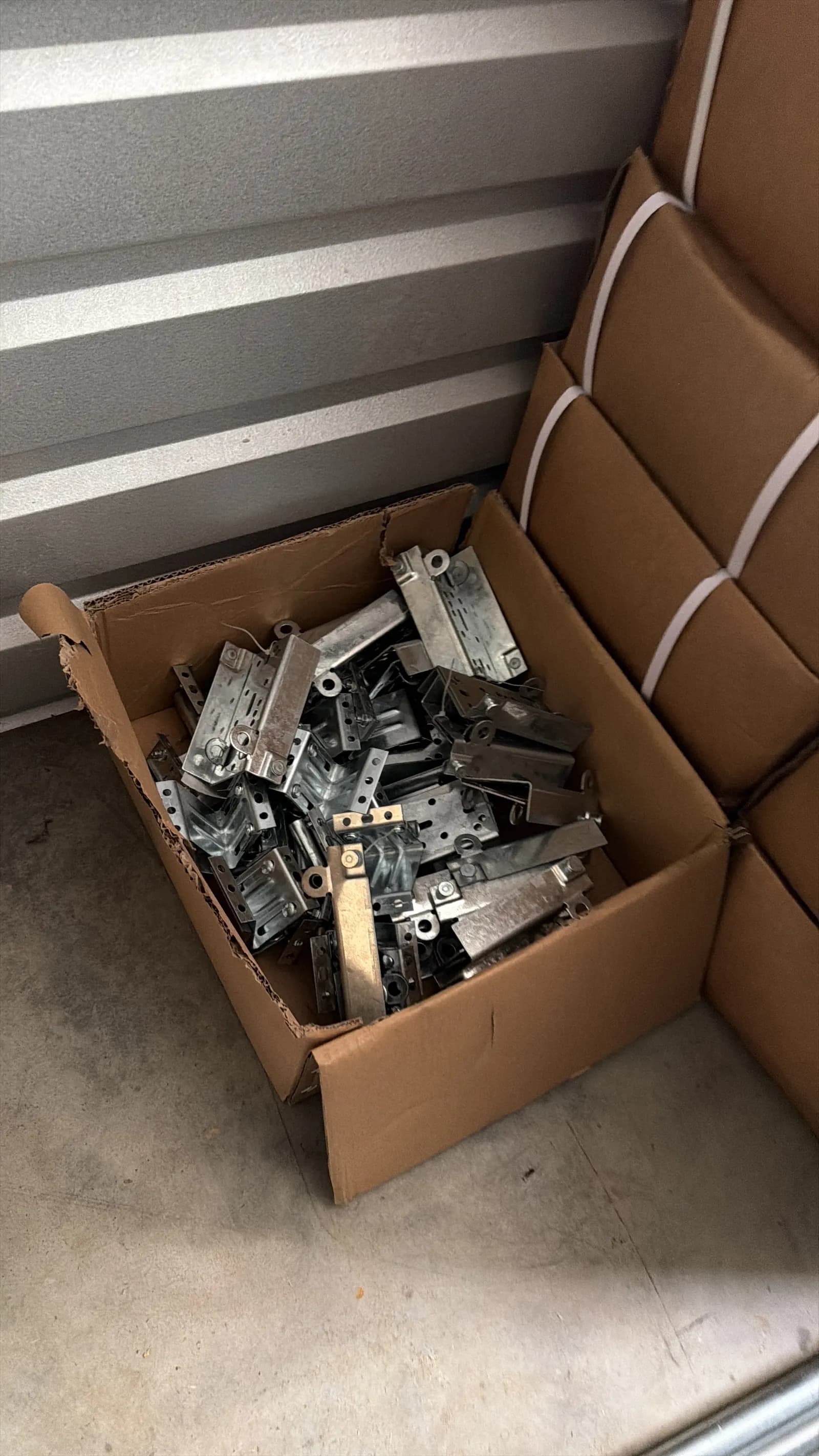
While the door is apart, the technician looks at the parts that work with the springs: lift cables, drums, center and end bearings and the bottom brackets. On east-side doors that see a lot of slush, the cable ends near the floor are often frayed. Anything worn is pointed out to you with the choice to replace it now or later.
Finally, the door is balanced and tested. A balanced door should stay put when lifted halfway by hand. Then the technician checks the opener's force settings and auto-reverse.
We serve Beachwood as part of our Cleveland-area service, along with Shaker Heights, Lyndhurst and Mayfield Heights. Call the main line and you'll be routed to the closest available technician.