Why do so many Parma garage doors need work at the same time?
Parma grew faster than almost any city in the country during the 1950s. Its population jumped from about 28,900 in 1950 to roughly 82,800 in 1960 and peaked near 100,000 around 1970. Families moving out of Cleveland's older ethnic neighborhoods, many using the GI Bill, bought new homes built in a hurry on former farm fields.
When thousands of garages are built in the same decade, their parts age on the same schedule too. Wood doors from that era were replaced with steel decades ago, and many of those replacement doors are now reaching their own end of service. Springs installed in the 1990s or 2000s have run through most of their cycles. Openers bolted in during the 1980s are still hanging on.
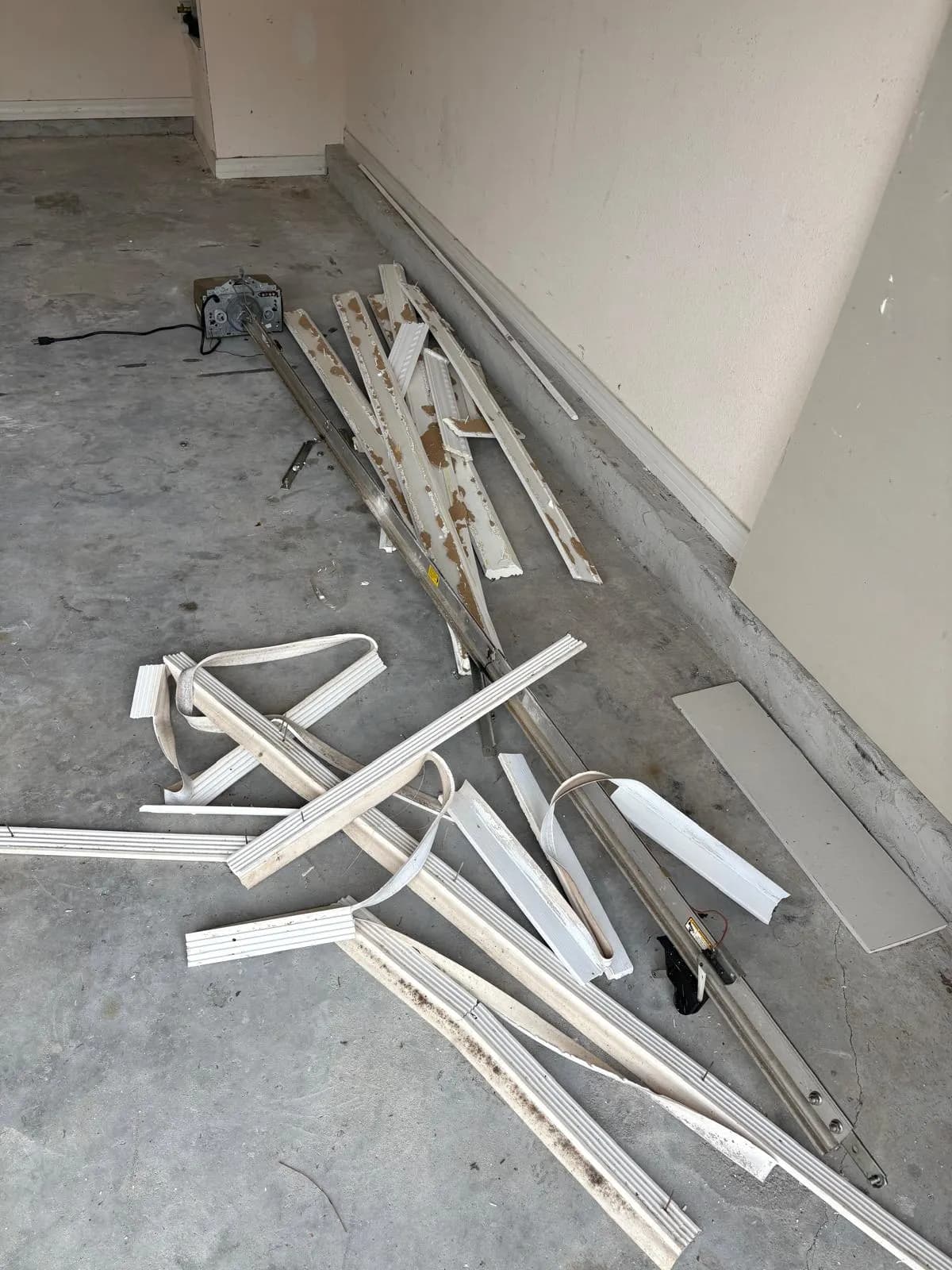
So a Parma repair is often about more than one part. A spring breaks, and the technician finds dry rollers, frayed cable ends and a bottom seal that has hardened and cracked. We'll show you what we find and let you decide what to fix now.
Bungalows, Capes and ranches: what kind of garage do you have?
Parma's housing is a mix of brick bungalows, Cape Cods, ranches, Colonials and split-levels, most built between the 1940s and the 1960s. They are moderate in size and solidly built, but their garages were sized for the cars of their day.
On many of these lots the garage sits at the back of a side driveway, separate from the house. Later ranches and split-levels more often have an attached garage. Each layout comes with its own issues:
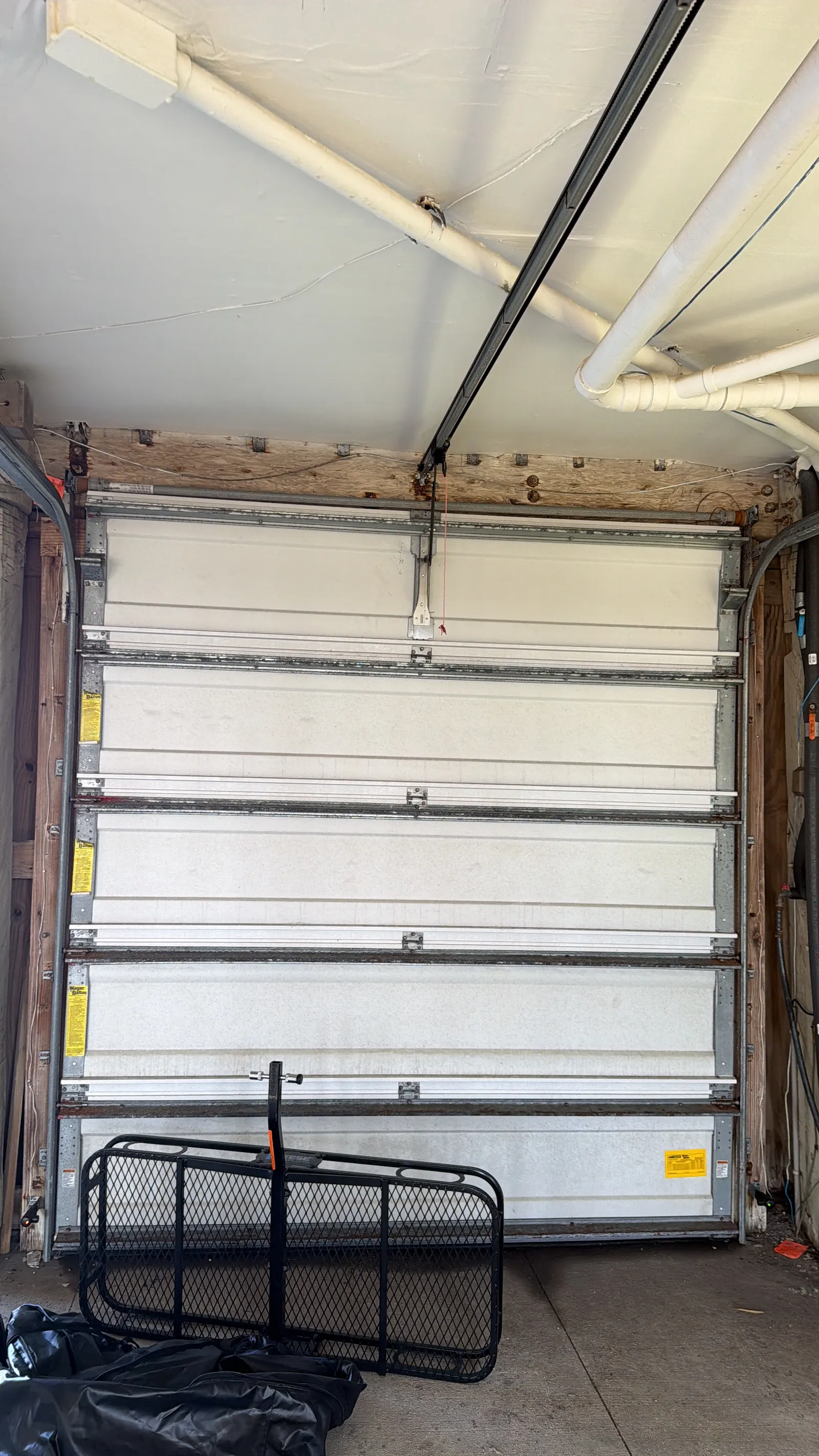
A detached single-car garage often has a narrow opening, limited headroom and extension springs running along the tracks. Those springs need safety cables through the middle so a snapped spring can't whip across the garage. Power may be a single outlet on an old circuit, which matters when you add an opener.
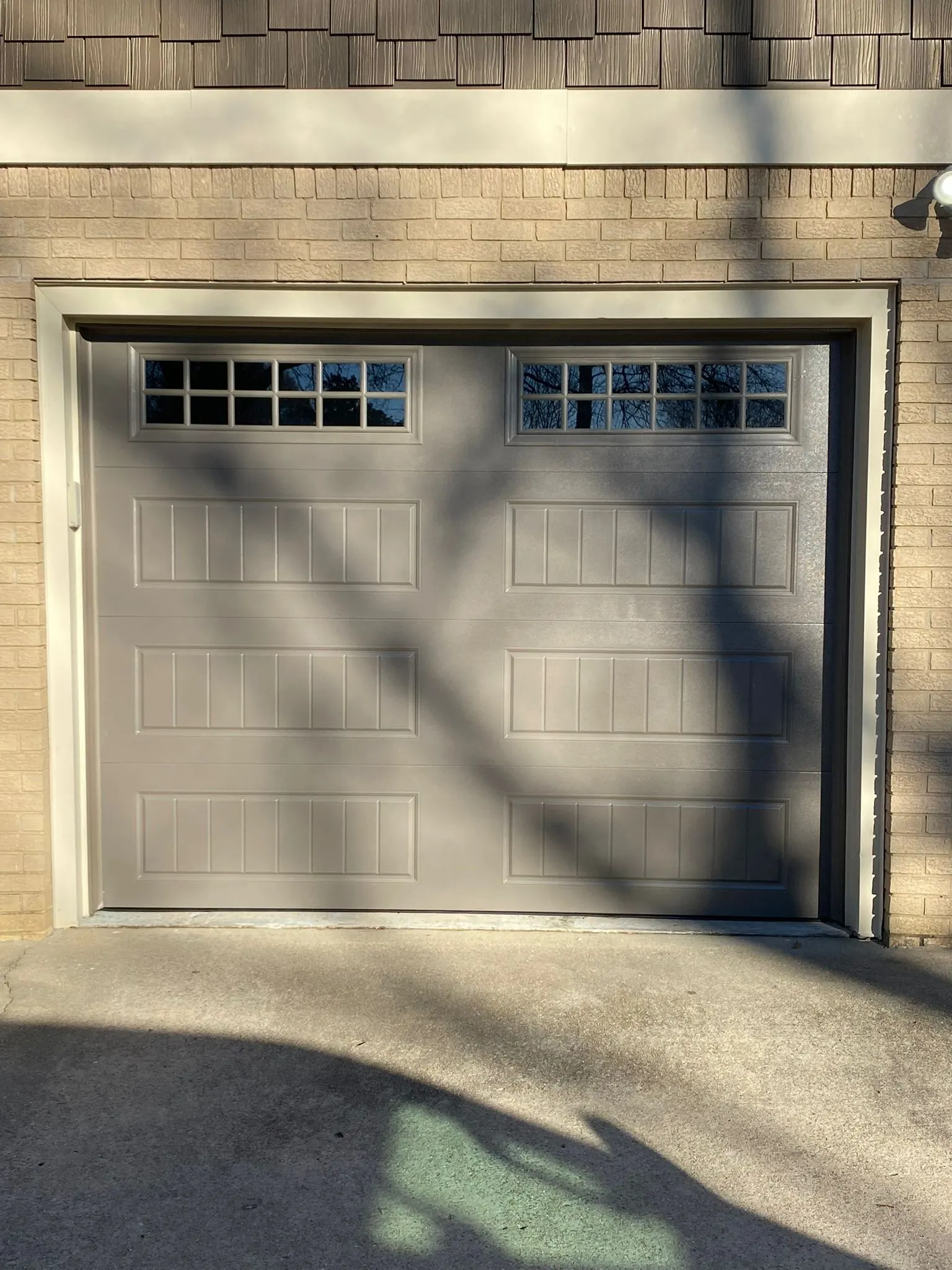
An attached garage shares a wall with the house. A worn bottom seal or warped door lets cold air and road salt slush into the space next to your kitchen or family room. A better seal or an insulated door is often the real fix.
Can an older Parma garage fit a standard new door?
Sometimes, but measure before you shop. Post-war openings were not always built to the sizes sold off the shelf today, and decades of settling can leave a header that is no longer level or a slab that slopes toward one side.
When we look at a replacement, we check the rough opening, the headroom above it, the side room for track brackets and the condition of the wood jambs. Rotted jambs at the bottom are common where snowmelt has sat against them for years, and they need repair before a new door can seal properly.
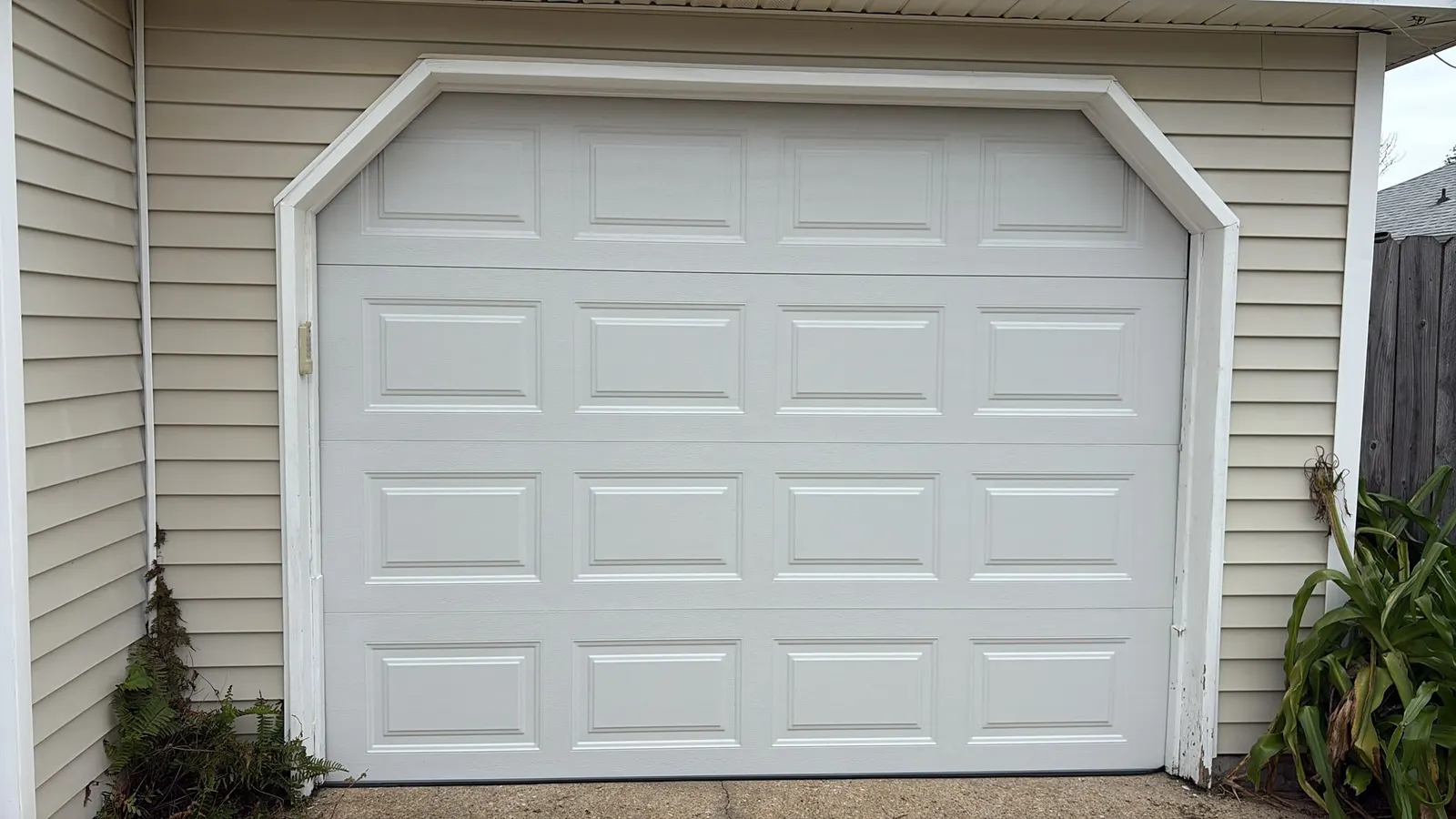
If the headroom is tight, low-headroom track kits or a different spring setup can make a modern insulated door work. If the opening is an odd size, a door can be ordered to fit it. Our garage door installation team for the Cleveland area can walk you through the options and what each one changes in the price, without guessing from a photo.
Parma winters, salt and the bottom of your door
Parma sits south of Cleveland, outside the heaviest east-side snowbelt, so it usually sees less lake-effect snow than Solon or the Heights. It still gets hard freezes, freeze-thaw cycles and a lot of road salt on Ridge Road, State Road, Pearl Road and the side streets.
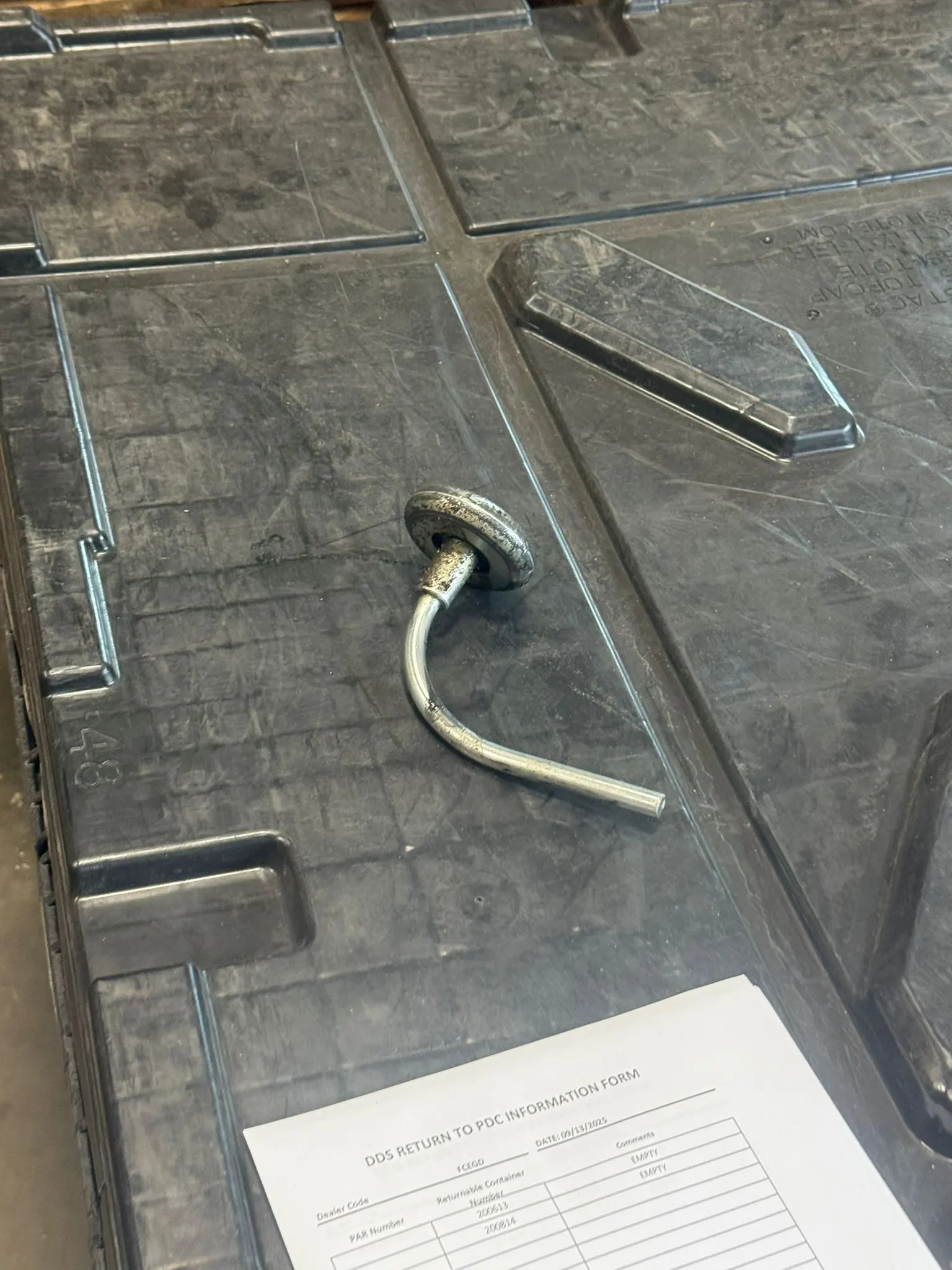
That salt rides in on your tires, melts off and pools at the threshold. Over a few winters it eats at the bottom panel, the bottom brackets and the lowest few inches of the lift cables. Those parts hold spring tension, so a rusted bracket or frayed cable is a job for a technician, not a weekend project.
Two simple habits help: rinse the bottom of the door and the track ends after a salty stretch, and replace a torn bottom seal before the first big freeze. If the door is frozen to the slab, free the seal gently before you press the button. Forcing a frozen door with the opener can strip gears or pull the door off track. Our garage door repair service in Cleveland covers cables, brackets, rollers and seals.
Selling a home in Parma: do you need a point-of-sale inspection?
No. Parma does not require a point-of-sale inspection on home sales, unlike several eastern Cuyahoga County suburbs. The city does require occupancy permits, and rental properties must be registered and go through exterior inspections.
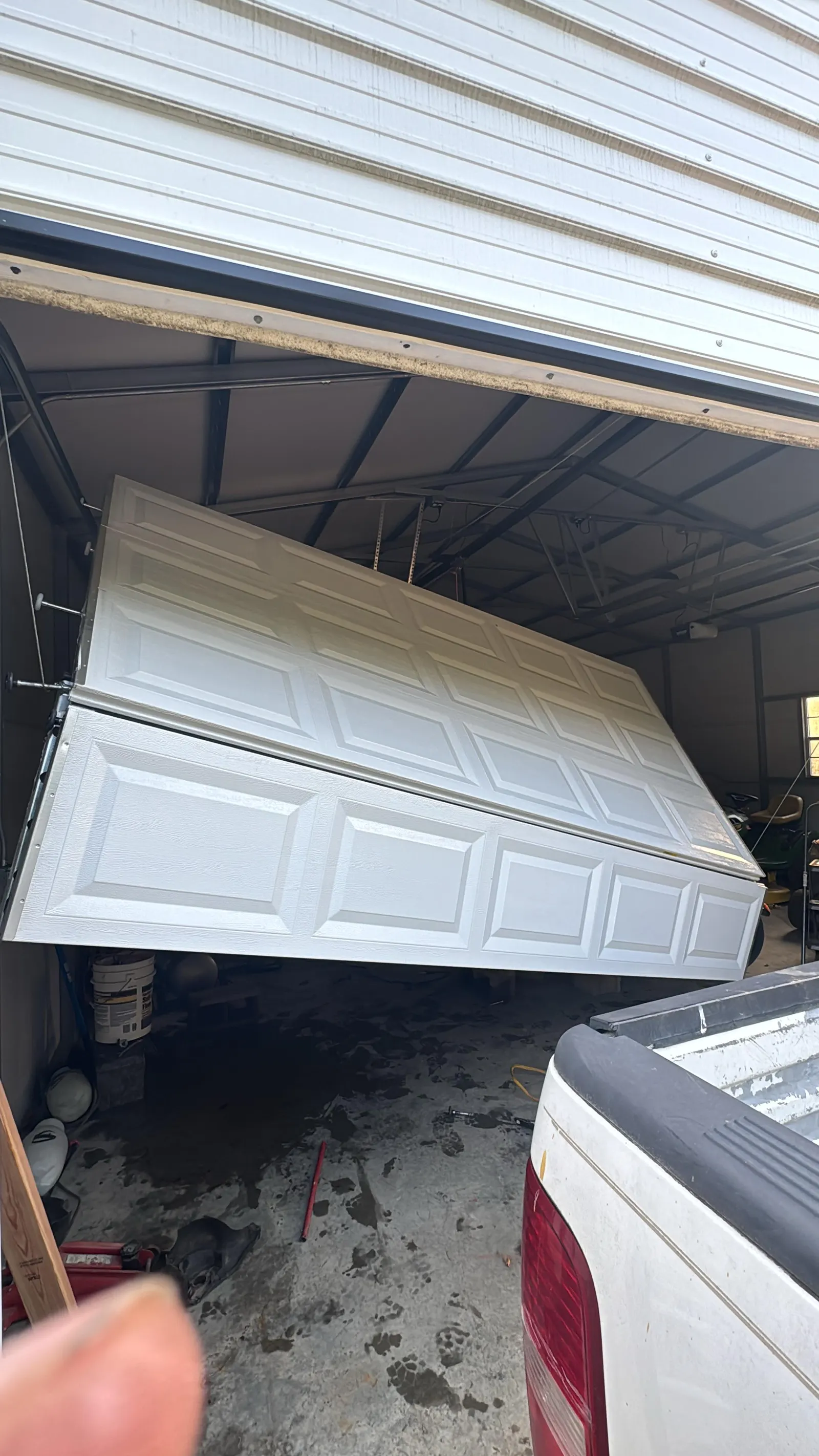
That doesn't mean the garage door won't come up. Buyers' home inspectors routinely test the auto-reverse, look for missing safety cables on extension springs, and note dented or rotted panels. A door that slams down or reverses on its own is an easy item for a buyer to put on a repair list.
If you're listing, a quick look at the door before the inspection can save a round of negotiation. If you're a landlord facing an exterior inspection on a rental, we can repair or replace damaged panels and trim. For the exact checklist, ask the city's building department directly.
Commercial doors in Parma
Parma's post-war boom was tied to industry. The city was home to a large GM stamping plant and the Union Carbide research center, and it still has busy commercial strips and light industrial buildings along its main roads.
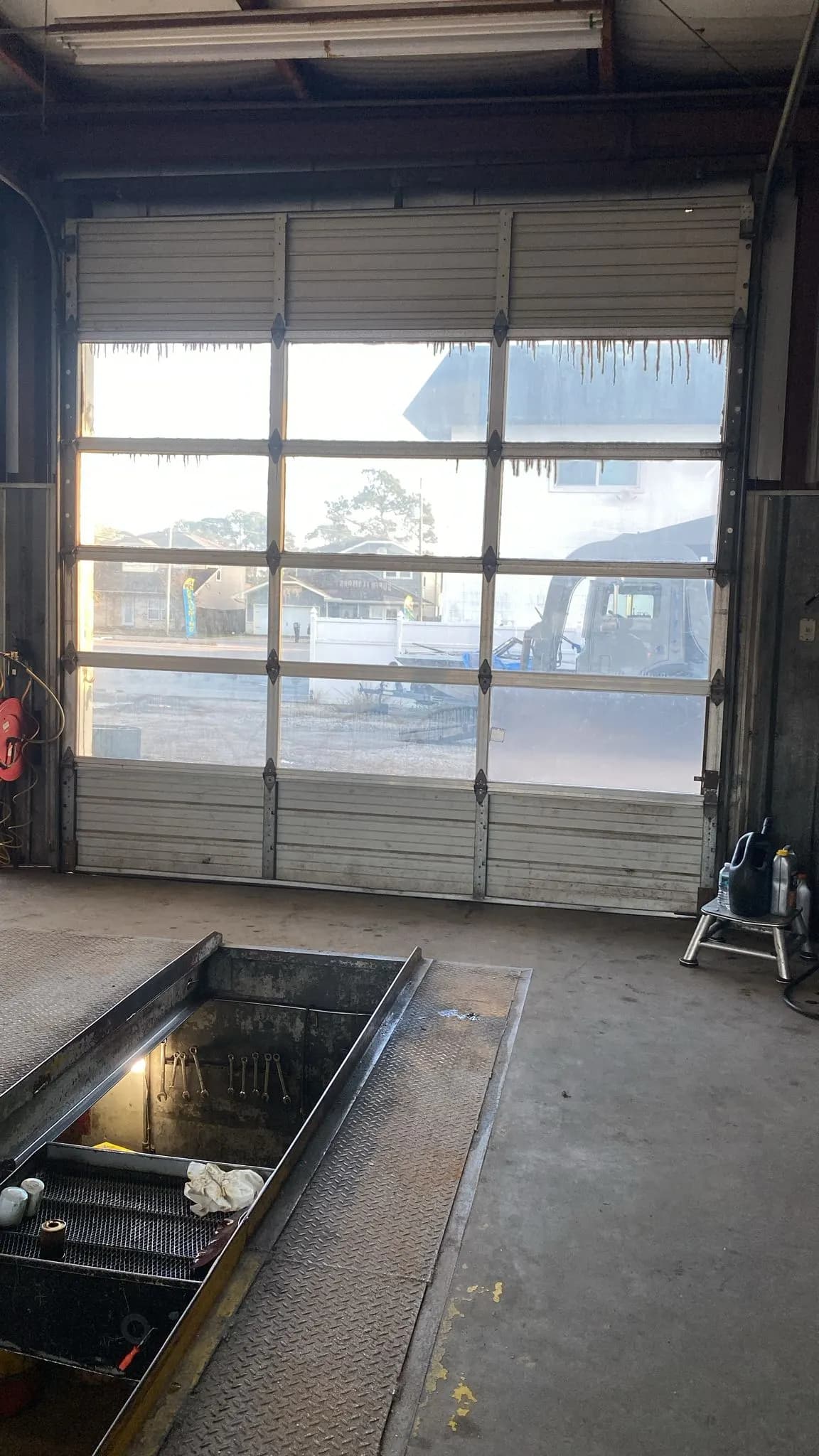
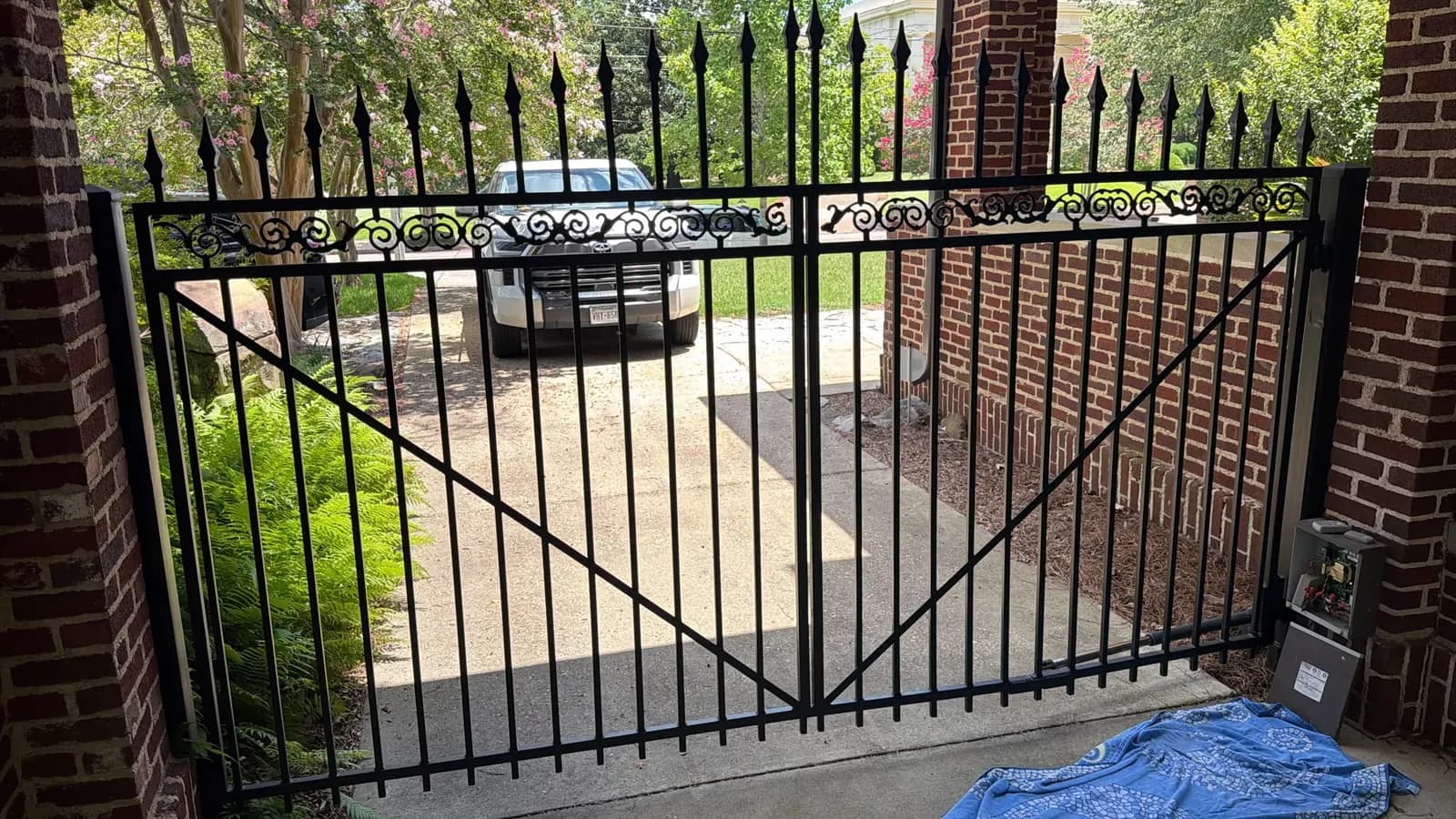
Those buildings use sectional overhead doors and rolling steel doors that open and close far more often than a home door. Worn springs, loose bottom bars and damaged sections from forklift or truck contact are the usual problems. Our commercial garage door repair service handles overhead and rolling doors, and we can look at manual gates and fencing gates on a commercial lot too.
Parma is one of the closest suburbs in the Cleveland area we serve, along with nearby Middleburg Heights, North Royalton, Broadview Heights and Independence. Our main line routes your call to the closest available technician, and we'll give you a price before any work starts.