Signs you need maintenance & tune-up
- The door is louder than it used to be
- It moves unevenly, shakes or jerks
- The opener strains or the door reverses for no reason
- Gaps of light show under or around the closed door
- Rust is showing on springs, rollers or hinges
- The door feels heavy if you lift it by hand
- The weather seal is cracked, flattened or missing
- It's been more than a year since anyone looked at it
What does a garage door tune-up include?
A tune-up isn't just a squirt of lubricant. It's a full inspection of the parts that wear out, plus the small adjustments that keep a door balanced and safe. A typical visit covers:
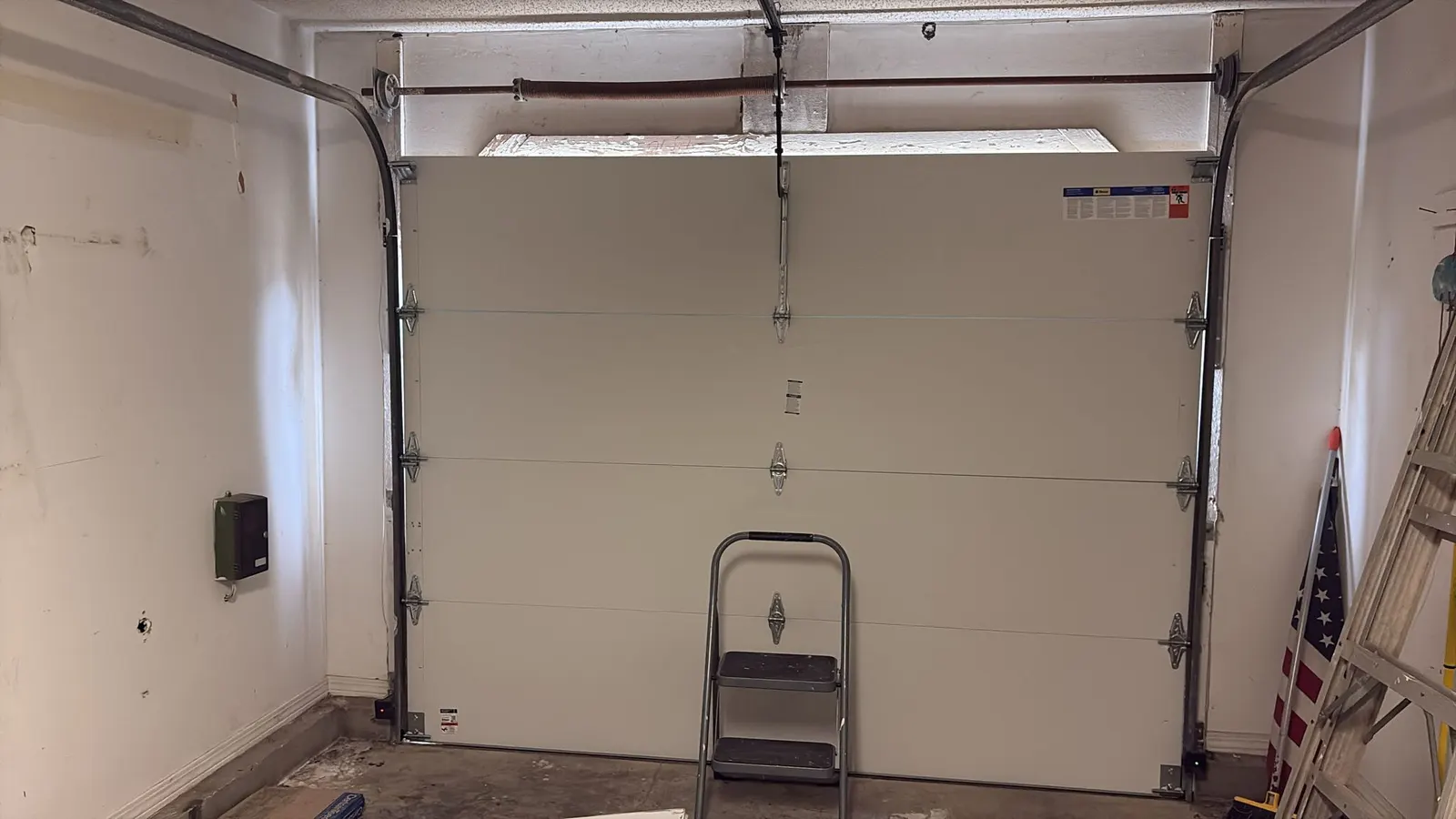
- Door balance test to check whether the springs are set correctly
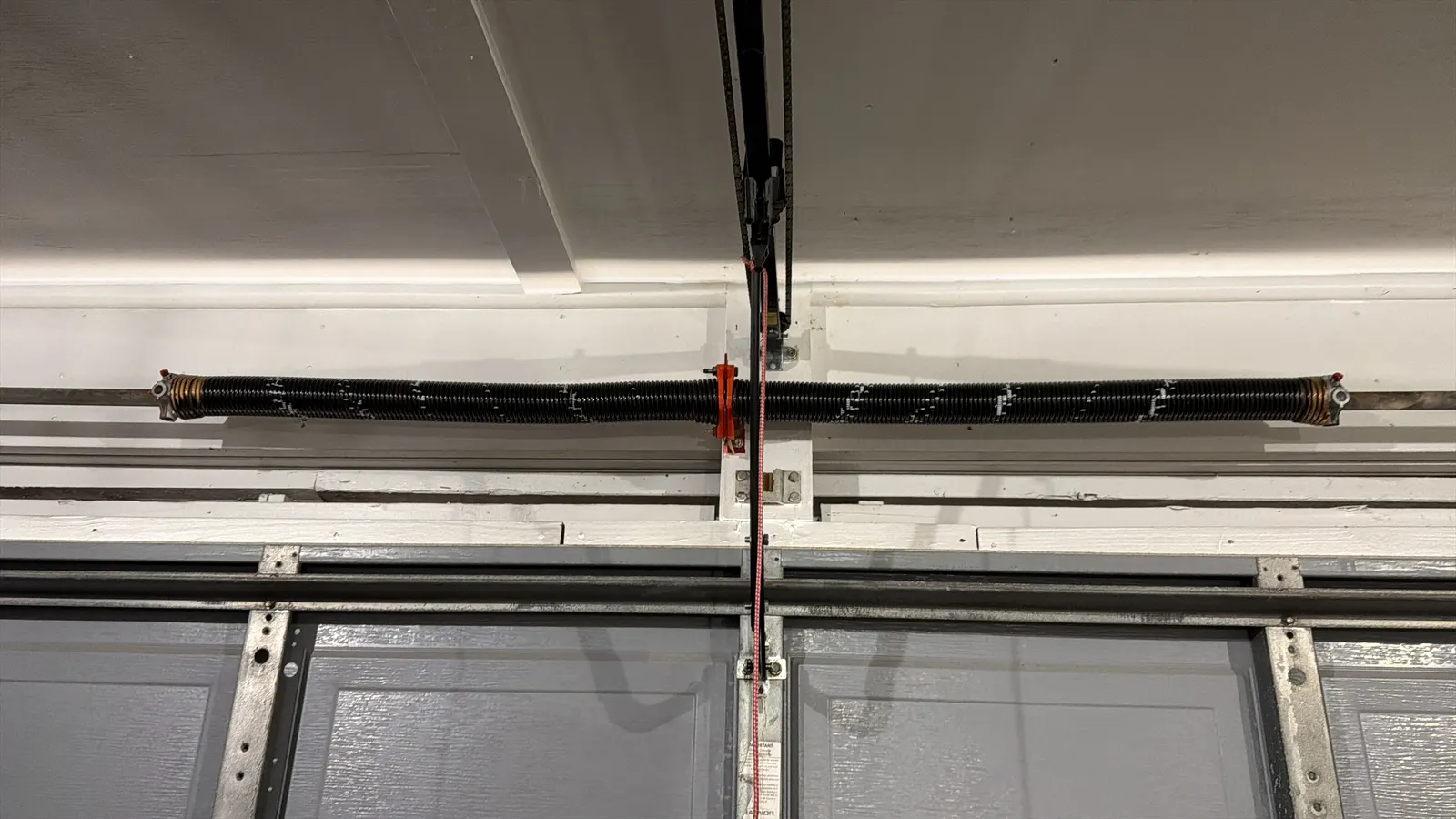
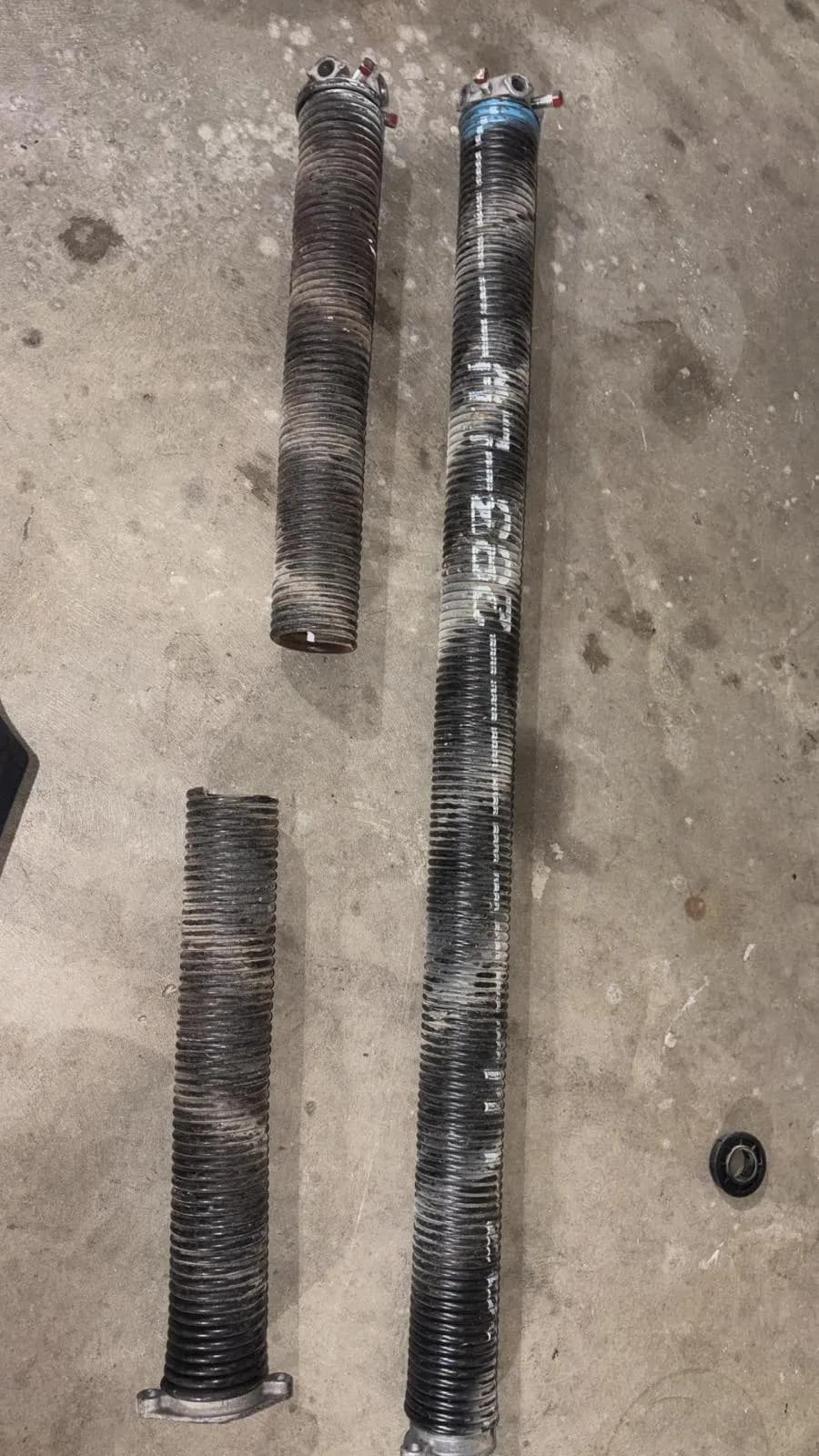
- Spring inspection for rust, gaps, stretching or wear
- Cable and drum check for fraying and correct winding
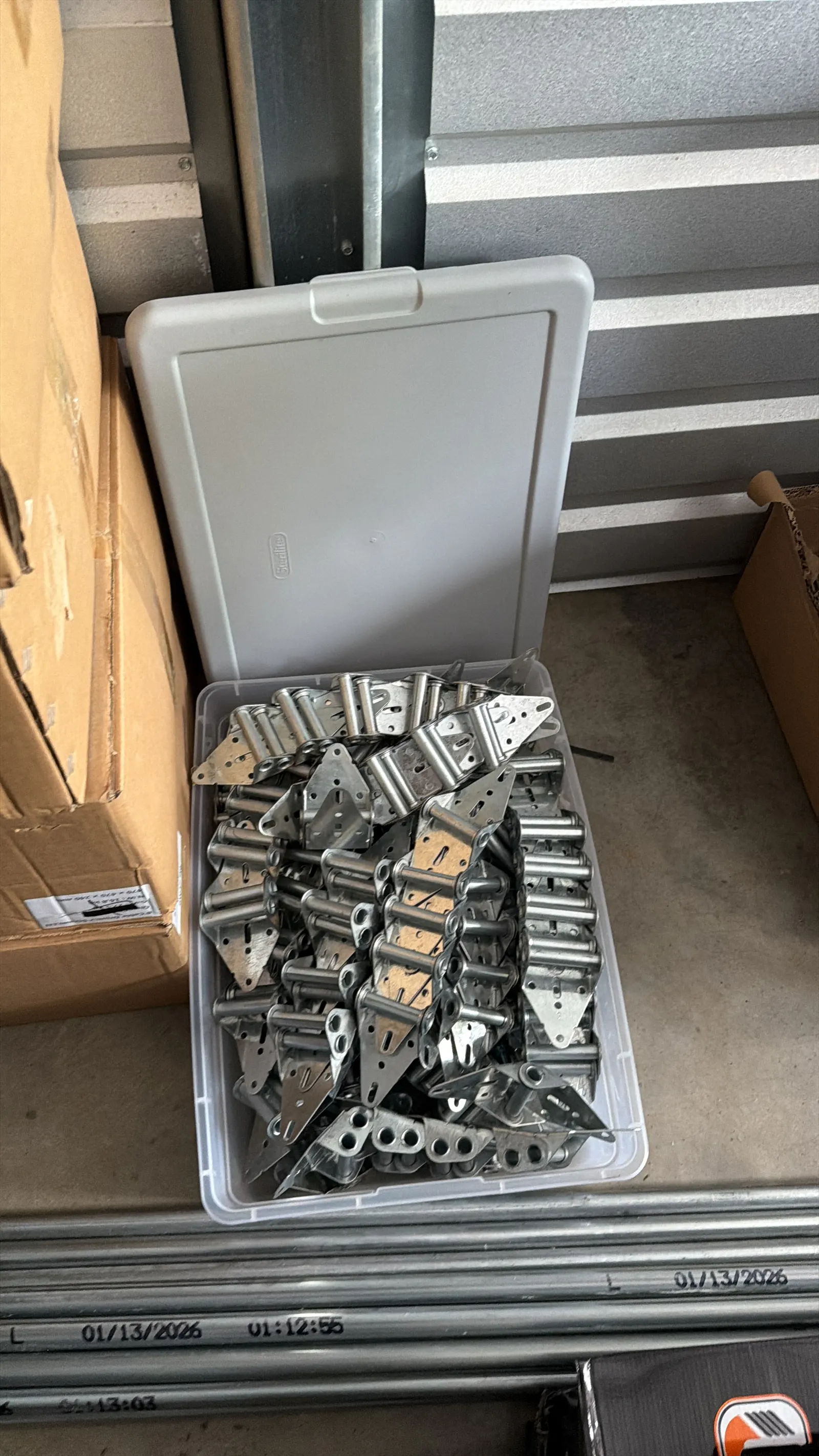
- Rollers, hinges and bearings checked for wear and play
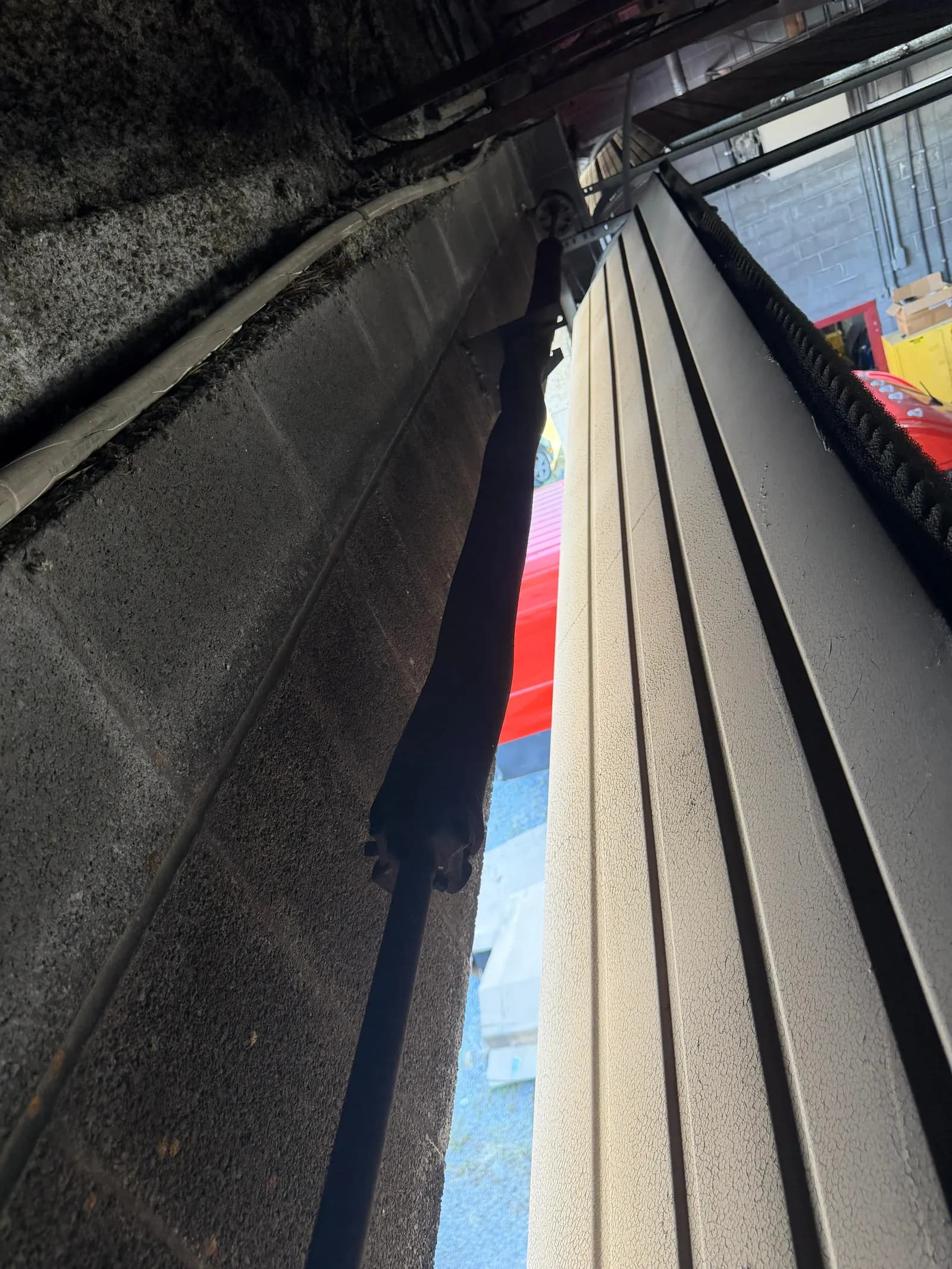
- Track alignment, brackets and mounting bolts tightened
- Lubrication of springs, hinges, bearings and steel roller bearings
- Opener check: force and travel settings, drive, rail and remote function
- Safety reverse and photo-eye test
- Weather seal and bottom seal condition
How often should a garage door be serviced?
For a typical home door, once a year is a good rule. If your garage is the main way in and out of the house, the door runs many times a day, and parts wear faster. Twice a year makes sense for busy households, for doors in harsh conditions and for older doors with original hardware.
Commercial doors are a different case. They can cycle dozens or hundreds of times a day, so they often need checks on a set schedule. Our commercial garage door repair page covers that.
Garage door maintenance in Florida: heat, humidity and hurricane season
In Central Florida, the big enemies are humidity, heat and storms. Humid air breaks down lubricant faster and puts surface rust on springs, hinges and steel rollers. Strong sun dries out weather seals and fades the door finish. Homes nearer the coast also deal with salt air, which speeds up corrosion on any exposed metal.
Hurricane season runs from June 1 to November 30, so late spring is a good time for a tune-up. A door that is out of balance, has loose track bolts or has a worn bottom seal is in worse shape to handle high winds and driving rain. If your door has wind bracing or reinforcement, have it checked along with the rest. After a storm, look for bent panels or track before running the opener; see our Orlando garage door service page for local details.
Cold-weather garage door care in Ohio, Wisconsin and Tennessee
Northern winters bring a different set of problems. Cold makes metal contract and lubricants thicken, so doors get stiffer and openers work harder. Springs are under the most stress in the cold, and many spring breaks happen on the first freezing mornings. Bottom seals can freeze to the slab, and road salt and slush carried in on cars rust the bottom section, brackets and track.
Fall is the time to schedule maintenance in Cleveland and Milwaukee. In Middle Tennessee, winters are milder but freeze-thaw swings and spring storms still take a toll on seals and hardware, so many Nashville homeowners book a check in the fall or early spring.
What you can safely do between visits
There are a few simple checks you can do yourself every month or two. Stop at these. Anything involving springs, cables, drums or bottom brackets is a job for a technician.
- Watch and listen to the door run; note new noises or jerky movement
- Test the safety reverse by placing a soft object, like a roll of paper towels, in the door's path
- Wipe dust and cobwebs off the photo eyes and check they line up
- Keep the track path clear of storage, bikes and debris
- Rinse dirt and salt off the bottom of the door and the seal
- Replace remote and keypad batteries when range drops
Garage door lubricant: what to use and where
Use a lubricant made for garage doors, usually a silicone or lithium-based spray. Apply it lightly to hinges, spring coils, bearings and the bearings on steel rollers. Don't spray the inside of the tracks; lubricant there only collects grit. General-purpose penetrating sprays are fine for cleaning but don't last as a lubricant. Sealed nylon rollers need little or none. If you're unsure, leave it for the tune-up.
Why a tune-up saves trouble later
Most garage door breakdowns build slowly. A fraying cable, a spring losing tension or a roller wearing out all give warning signs a technician can spot. Catching them on a planned visit is a lot easier than a door stuck shut on a workday morning. During a tune-up, we'll tell you what's wearing and what can wait. If rollers are worn, our roller replacement service is often done in the same visit, and opener issues are covered under garage door opener repair.
How the service works
- 1
Run and listen
We cycle the door and opener to spot noise, jerks and reversing.
- 2
Inspect
Springs, cables, drums, rollers, hinges, track, seals and opener are checked part by part.
- 3
Adjust and lubricate
Hardware is tightened, balance and opener settings are adjusted, and moving parts are lubricated.
- 4
Test safety
We test the safety reverse and photo eyes.
- 5
Report
You get a plain explanation of what's in good shape, what's wearing and what we'd fix now or later.