Newer homes, first repairs: springs and openers that came with the house
St. Cloud nearly tripled in 20 years. The city had about 20,000 residents in 2000 and almost 59,000 in 2020, and the number of homes grew from about 8,600 to more than 21,000. More than half of the homes standing today were built in 2000 or later, and about 7 in 10 are single-family houses.
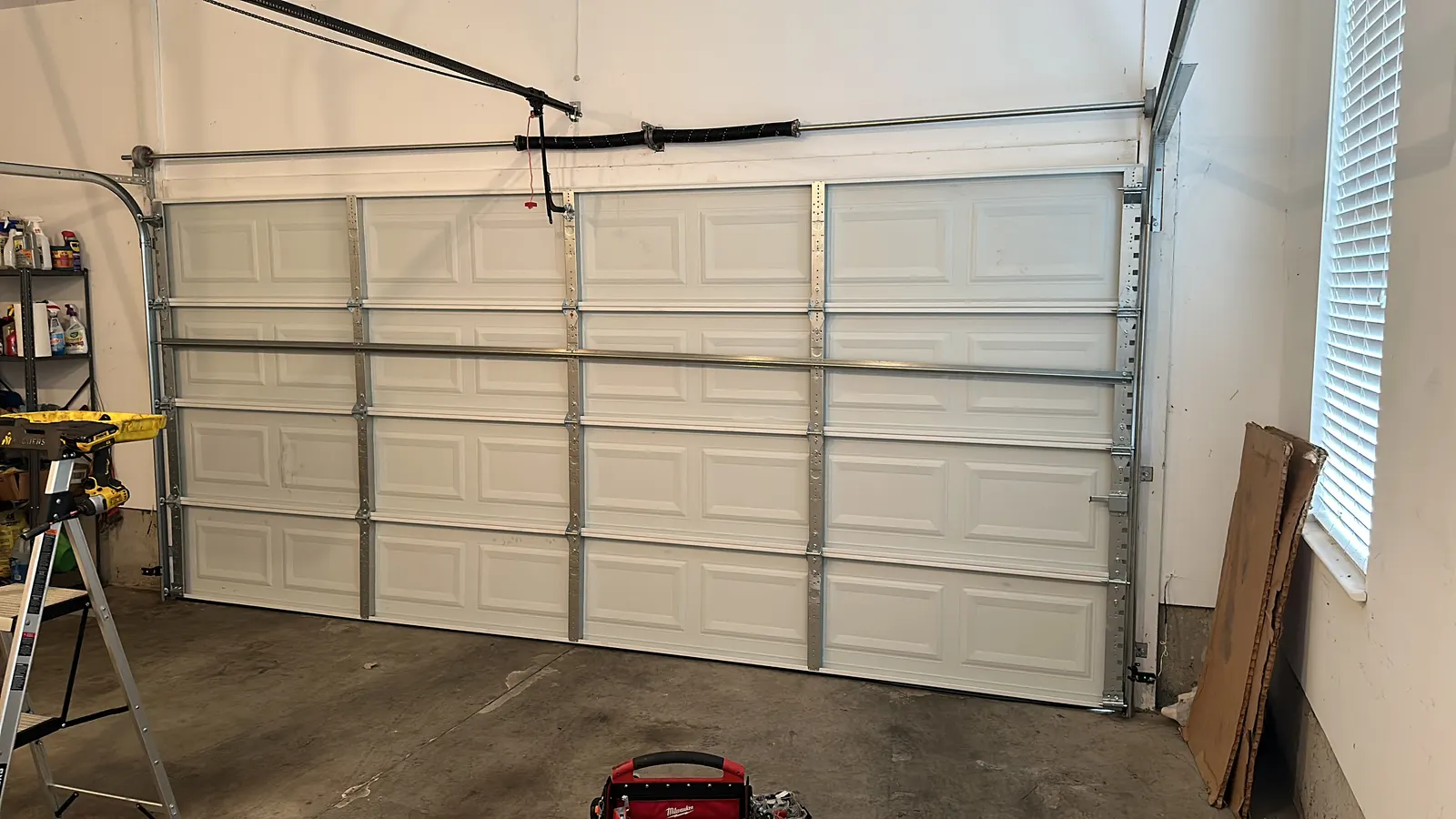
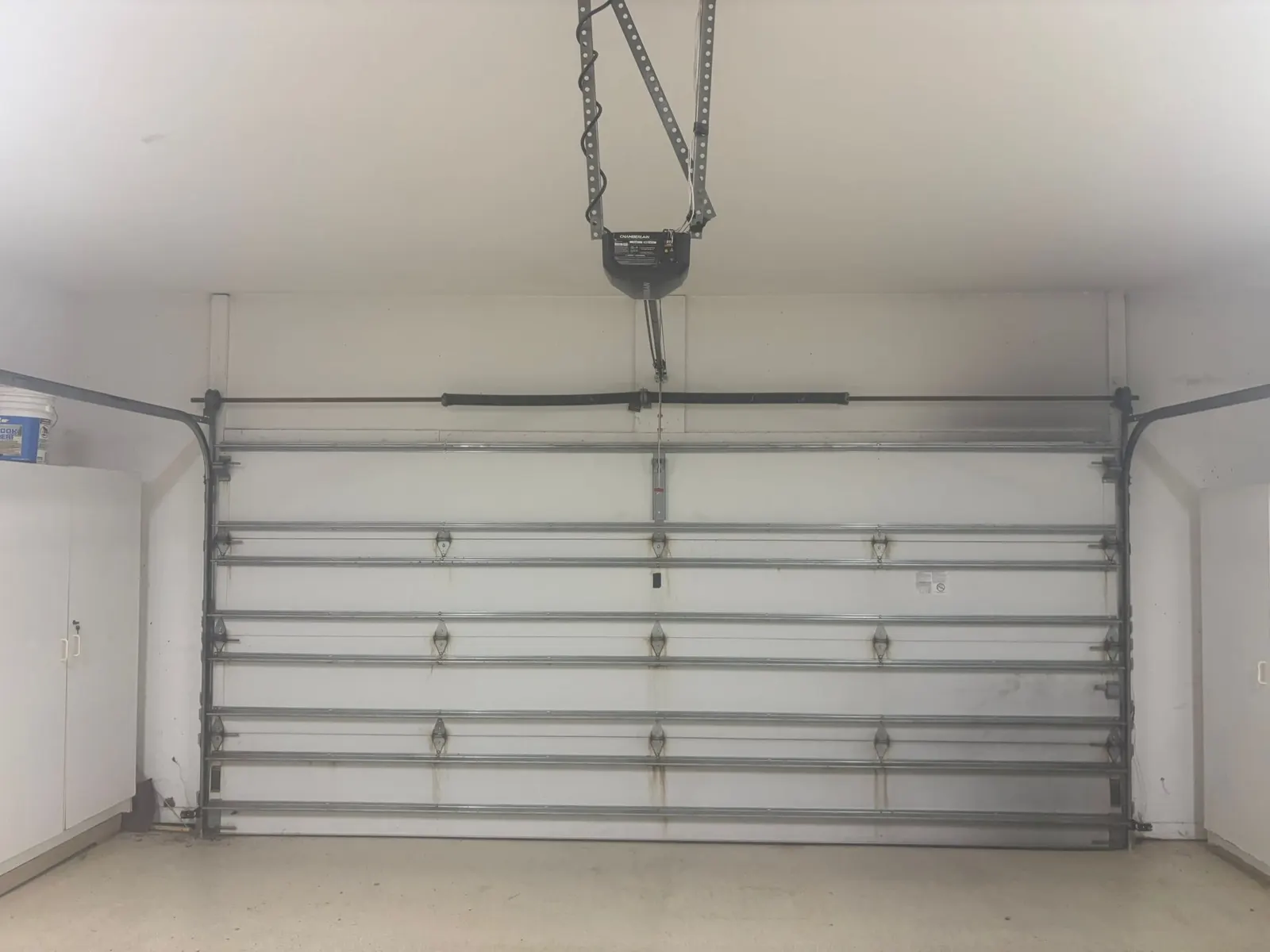
That means thousands of garage doors are still running on whatever the builder installed. Builders usually choose standard springs, a basic chain or belt opener and a plain steel door, because they're buying for a whole subdivision at once. Those parts work fine at first. After 10 to 20 years of daily use, they start to go, often in this order:
- 1. The torsion spring. It's the bar above the door that carries the door's weight. When it snaps you'll hear a bang, and the door will feel like it weighs a ton. Leave it closed and see broken spring repair.
- 2. The opener's gears or logic board. The motor hums but the door doesn't move, or the lights blink and nothing happens.
- 3. Rollers and cables. Builder-grade rollers get noisy, and a frayed cable can let one side of the door drop.
When the first spring breaks, ask about replacing both springs and checking the rollers on the same visit. Parts that were installed on the same day tend to wear out around the same time.
Lightning season: what afternoon storms do to openers and sensors
The National Weather Service office that covers this area calls central Florida the "Lightning Capital" of the United States. Osceola County averages more than 7 inches of rain a month from June through September, compared with about 3 inches a month the rest of the year. Most of that comes from afternoon thunderstorms.
Garage openers take a beating from those storms:
- Power surges. A nearby strike can kill an opener's logic board even when the house looks fine. If the opener died right after a storm, check the breaker and the outlet first. If it's still dead, it's likely a board, not the motor.
- Wet or misaligned photo eyes. The two small sensors near the floor stop the door when something crosses the opening. Rain, splashing and lawn equipment knock them out of line. If the door goes back up on its own, wipe both lenses and check that their lights are steady.
- Rust. Months of humidity rust springs, cables and the bottom brackets, which shortens their life.
Plugging the opener into a surge protector is an easy fix. For anything past those safe checks, see garage door opener repair.
Replacing a door in St. Cloud: product approval and permits
In Florida, a new garage door isn't just a style choice. State law requires product approval for exterior doors, and building offices across Florida commonly ask for the door's Florida Product Approval number when you replace a garage door. The approval shows the door is rated for the wind pressure at your house.
Two things to check before you order:
- Who issues your permit. If your home is inside St. Cloud city limits, ask the City of St. Cloud's building office. If it's in unincorporated Osceola County, even with a St. Cloud mailing address, ask the county.
- The door's approval number. Get it from the manufacturer or the installer, and make sure it matches the size of your opening.
Our post on hurricane garage door requirements in Florida explains wind ratings in more detail.
Gates for lakefront and larger-lot homes
Along East Lake Toho and on the bigger lots around town, some homes have a swing or slide gate at the driveway.
Gate operators here face the same weather as garage openers: surges from lightning, sun on the photo eyes and moisture in the control box. If your gate stalls halfway, reverses or ignores the remote, see automatic gate repair. Don't force a stuck gate by hand while the operator is engaged. Call us instead.
How to get a St. Cloud repair on the schedule
Call (888) 410-7013. One number reaches our call center, which sends the closest technician. Same-day service is available, and if you send the form instead, we'll call you back within an hour. We're licensed and insured, and we've been in the garage door business for 15 years. New customers get 5% off.
When you call, tell us whether you're inside city limits or in the county, what the door is doing, and whether anything changed after a storm. That helps the technician bring the right parts.