
What Is the Best Material for a Garage Door?
By the H&D Garage Door team · Updated

What is the best material for a garage door?
For most homes, insulated steel is the best all-around garage door material. It is strong, needs little upkeep, comes in nearly every style and color, and handles both heat and cold well when it has an insulated core. Wood, aluminum, fiberglass and composite each make sense in specific situations.
The right choice depends on four things: your climate, how much maintenance you are willing to do, the look of your house, and whether the garage is attached to living space. If you are planning a new door, our garage door installation page walks through the process.
Why is steel the most common garage door material?
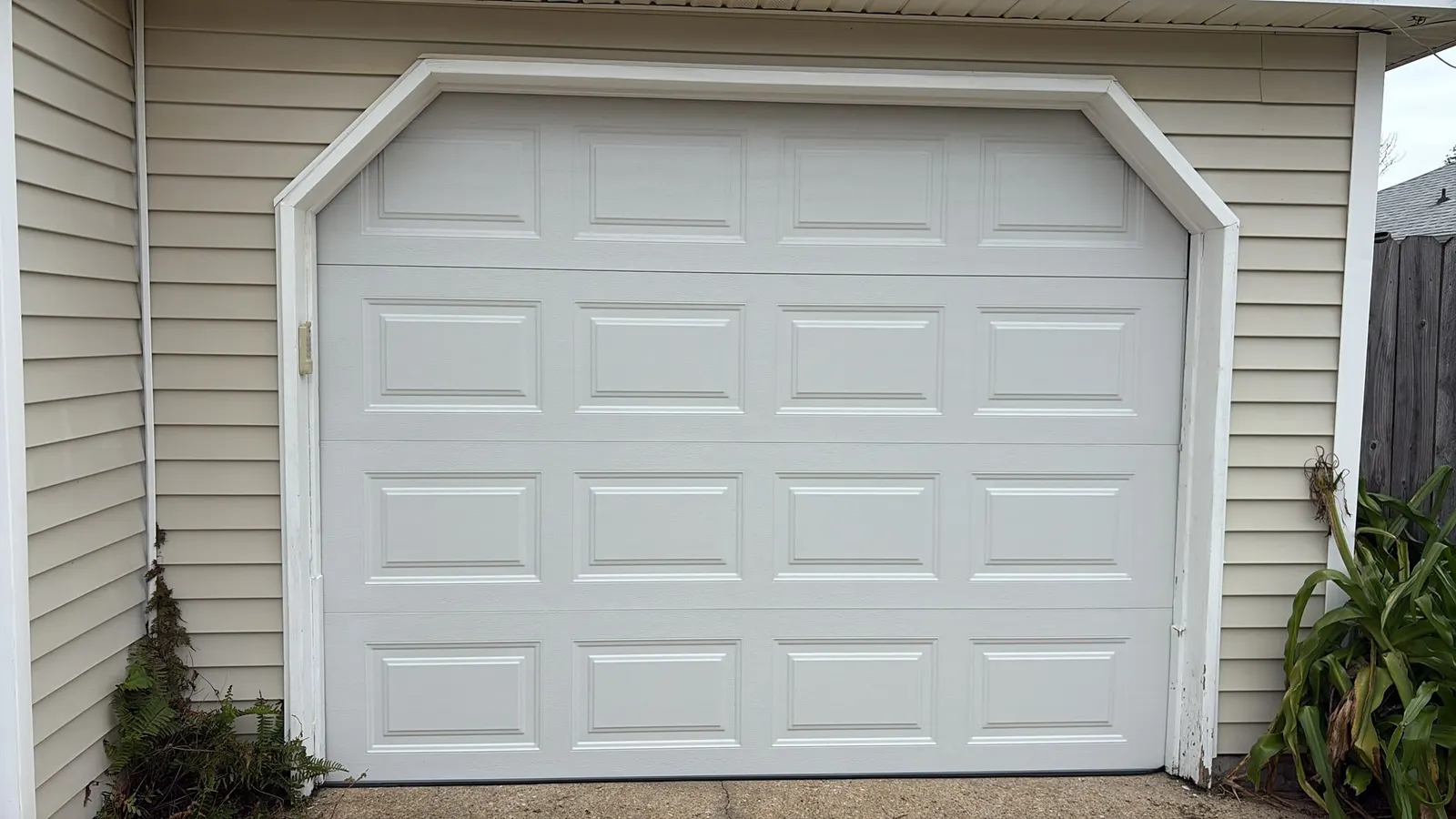
Steel balances strength, appearance and upkeep better than any other material. It resists dents better than aluminum, does not warp or rot like wood, and can be stamped or embossed with raised panels, flush designs or carriage-house details. Many steel doors are available with a woodgrain finish.
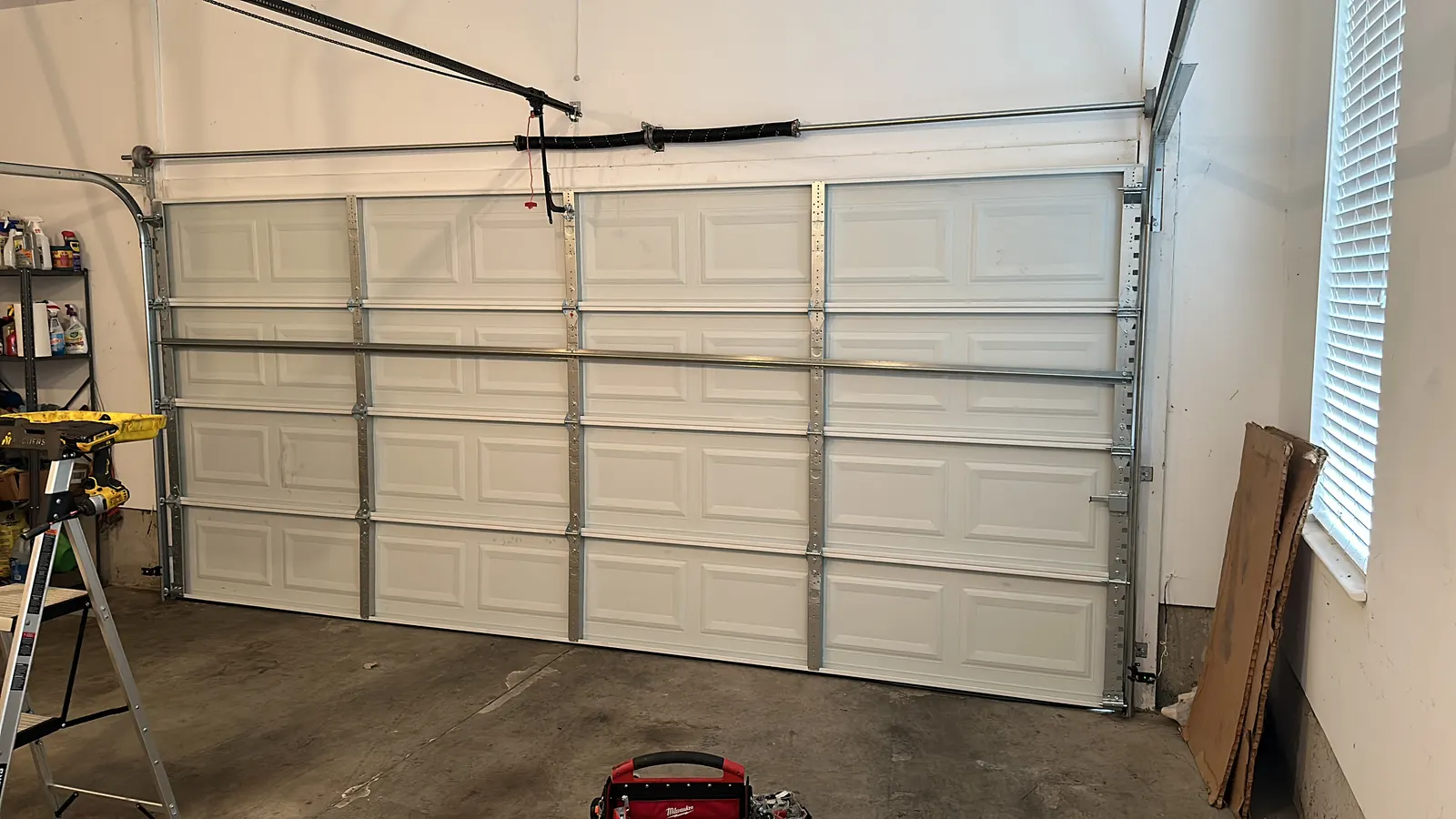
Steel comes in different thicknesses, called gauge. A lower gauge number means thicker steel. Thicker steel and double- or triple-layer construction resist dents better. Insulated steel doors use a polystyrene or polyurethane core, which also makes the door quieter and stiffer.
The main weakness is rust. If the paint or coating gets scratched, especially along the bottom edge, rust can start. Rinsing the door, touching up scratches and keeping the bottom seal in good shape helps.
Is a wood garage door worth it?
Wood has a warmth and depth that other materials imitate but do not quite match. It suits historic homes, craftsman and carriage-house styles, and custom designs. A well-built wood door can look excellent for many years.
The trade-off is maintenance. Wood needs to be sealed, stained or painted on a regular schedule, and it can swell, warp, crack or rot if moisture gets in. In humid climates and on doors that get direct afternoon sun, that upkeep is more frequent. Wood doors are also heavy, so they need correctly sized springs and a capable opener.
When does aluminum or glass make sense?
Aluminum doors are light and do not rust, which makes them a good fit for humid and coastal areas. They are often paired with glass panels for a modern, full-view look. The downside is that aluminum dents more easily than steel, and full-glass doors offer little insulation unless they use insulated glass.
Full-view glass doors are popular on modern homes and on garages used as workshops or gyms, where daylight matters. Consider privacy, since frosted or tinted glass is an option, and think about heat gain if the door faces the sun.
Are fiberglass and composite garage doors a good option?
Fiberglass doors resist rust, rot and salt air, and they can be molded with a realistic woodgrain texture. They are lighter than wood. On the other hand, fiberglass can become brittle in very cold weather and may crack on impact.
Composite doors are made from wood fibers and resin, often over a steel frame. They are designed to look like wood without the same upkeep, and they resist rot and warping. They usually sit between steel and real wood in cost. For homeowners who want a wood look with less maintenance, composite and woodgrain steel are the two most common choices.
How does climate change the best garage door material?
In hot, humid places like Central Florida, the main concerns are rust, sun exposure and wind. Steel with a good factory finish, aluminum, fiberglass and composite all hold up well. Florida's building code requires garage doors to meet wind-load ratings, so the door's wind rating matters as much as the material. Lighter colors also help reduce heat build-up in the garage. See our Orlando service page for local details.
In cold places like Cleveland and Milwaukee, insulation and dent resistance matter most. An insulated steel door with a good bottom seal keeps the garage warmer and protects against road salt brought in on cars. Fiberglass is less common there because of how it handles deep cold. Nashville sits in between, with hot summers and occasional winter cold, so insulated steel is a strong default.
Does garage door insulation matter?
Insulation matters if your garage is attached to the house, has a room above it, or is used as a workshop or gym. An insulated door keeps the garage more comfortable, reduces noise, and makes the door stiffer and quieter in operation.
Insulation is often described by R-value. Higher R-value means better insulation. Polyurethane cores usually give a higher R-value for the same thickness than polystyrene. If you only need to replace a damaged section instead of the whole door, panel replacement may be an option, as long as matching sections are still made.