
Can You Replace a Garage Door Without Replacing the Opener?
By the H&D Garage Door team · Updated
Can you replace a garage door and keep the old opener?
Yes, in many cases you can. The opener doesn't lift the door's weight; the springs do. As long as your opener is in good working order, has working safety sensors and fits the new door's height and setup, the installer can reconnect it and reset it for the new door.
It stops being a simple yes when the opener is old, when the new door is much heavier or taller than the old one, or when the new door needs a different kind of opener. The sections below walk through each check so you know what to ask before the new door is ordered.
Why the springs matter more than the opener
A garage door is balanced by its springs. When the springs are sized to the door's weight, the door feels light when lifted by hand and stays put when it's partly open. The opener only guides that balanced door up and down.
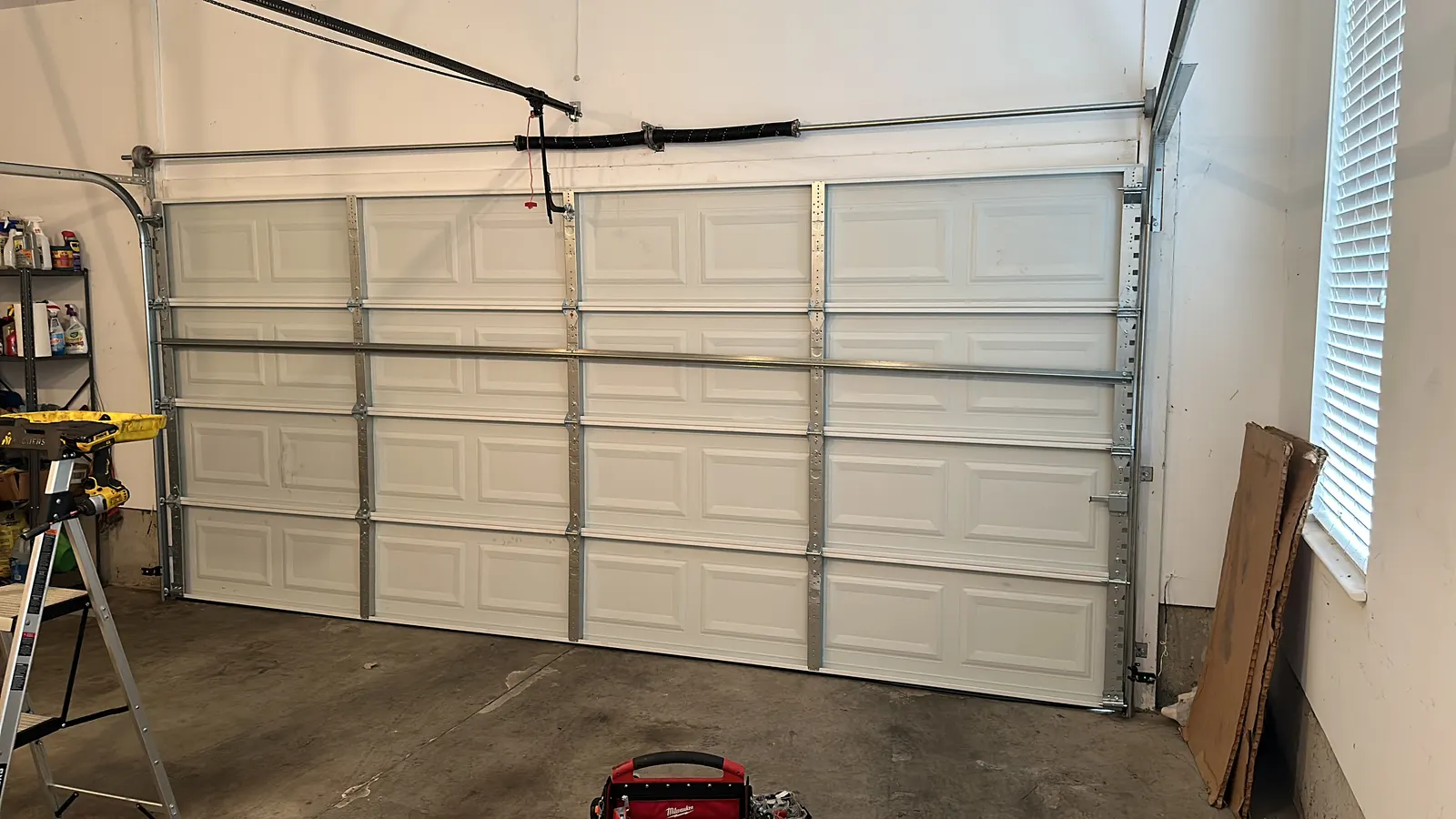
That's why a new door almost always comes with new springs. A new insulated door, a wind-reinforced Florida door or a wood door is rarely the same weight as the one it replaces, and springs sized for the old door would leave the new one out of balance. When the springs are matched to the new door, an opener in good shape usually has no trouble running it. When they aren't, even a new opener will strain and wear out early. Our page on garage door installation explains how the door, springs and track are fitted together on a replacement.
How do you know if your opener will work with a new door?
Run through these questions before the new door is ordered. If the answer to all of them is yes, keeping the opener is usually a reasonable choice.
- Does it have working photo-eye sensors? Openers without the two small sensors near the floor are from before reversing safety sensors became standard. They should be replaced, not reconnected to a new door.
- Does it run smoothly today? No grinding, no straining, no stalling halfway, and the door reverses when the sensor beam is blocked.
- Is the new door the same height? A taller door (for example, going from a 7-foot to an 8-foot door) needs a longer rail. Many openers have an extension kit for this; some older units don't.
- Is the new door the same type? Replacing a sectional door with another sectional door keeps the same opener setup. Switching from an old one-piece tilt-up door to a sectional door changes how the opener connects.
- Is there room for the same mounting? Low headroom, a new ceiling or storage racks can change where the opener and rail can go.
- Is the remote system current? Very old openers with fixed-code remotes (the kind with small switches inside the remote) are easier to copy and harder to pair with newer accessories.
What has to be adjusted when the opener is reconnected?
Keeping the opener isn't just plugging it back in. The new door has its own top section, its own weight and sometimes its own height, so the installer resets the opener for it.
The door arm is attached to a reinforced bracket on the new door's top section. The travel limits are set so the door stops fully closed and fully open. The force setting is checked so the opener reverses if something is in the way. The photo eyes are remounted on the new track, aligned and tested. Finally, the door is checked for balance with the opener disconnected, then cycled several times with it connected. If the opener can't pass those tests on the new door, that's the moment to talk about replacing it. Our garage door opener repair page covers the opener problems that can usually be fixed instead.
When does it make sense to replace the door and opener together?
Sometimes keeping the opener saves money now and costs a second visit later. Consider replacing both at once if any of these are true.
- The opener has no photo-eye sensors or the reversing feature doesn't work
- It was already loud, slow or stalling before the door was replaced
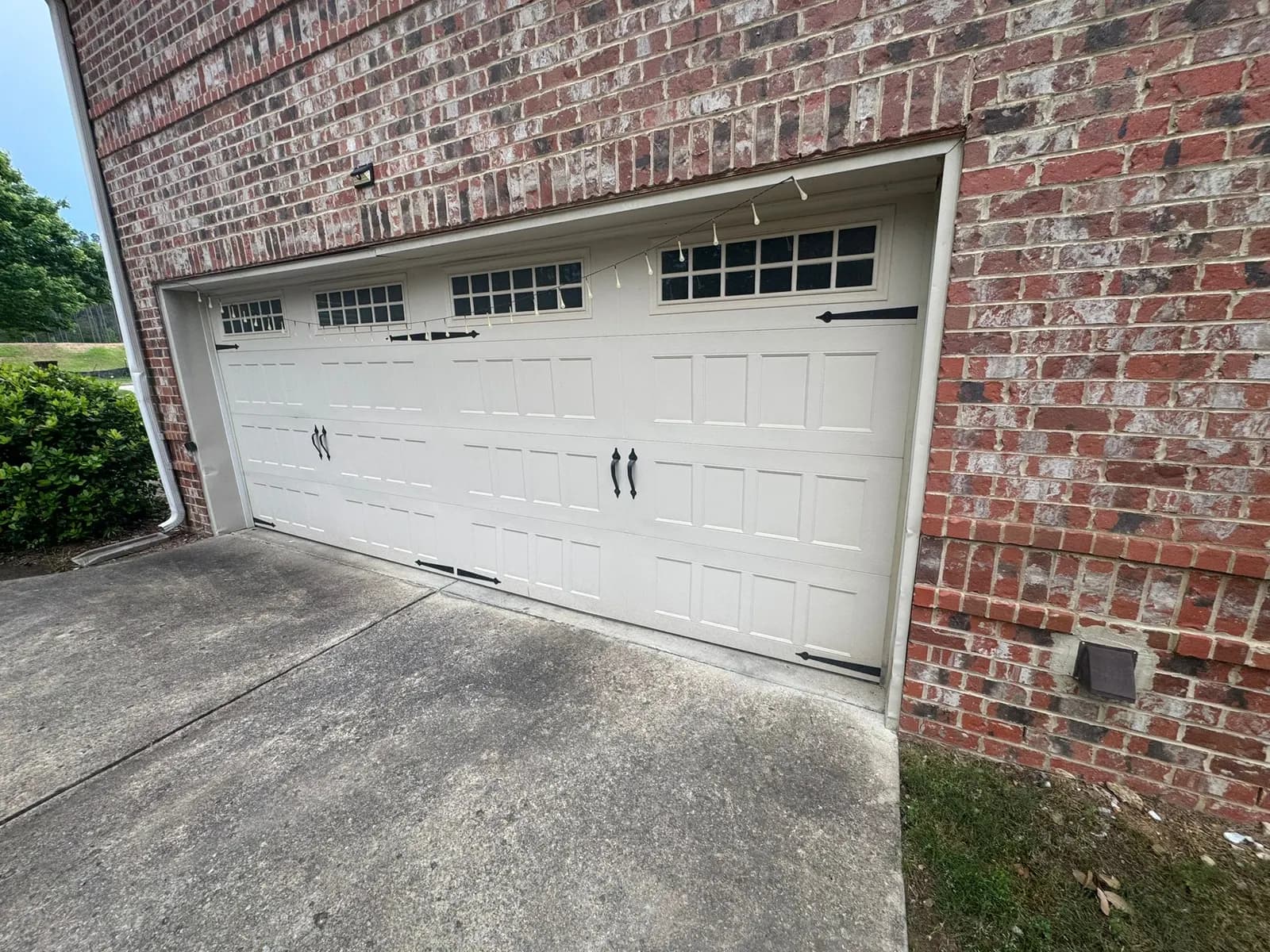
- The new door is noticeably heavier, taller or a different type than the old one
- You want features your current unit doesn't have, such as battery backup, a quieter belt drive or phone control
- You want a wall-mounted opener to free up ceiling space, which depends on the door's spring setup
- The opener's age is unknown and replacement parts are hard to find
How long do garage door openers last?
There's no fixed number of years. An opener that runs a balanced door a few times a day can last a long time, while the same model on a heavy or out-of-balance door wears out much sooner. Our post on how long a garage door opener lasts covers the warning signs. If yours is already showing them, read repair or replace a garage door opener before deciding to keep it on a new door.
Does keeping the opener lower the cost of a new door?
It can, because you aren't paying for a new unit or the time to install one. What changes the total is how much adjusting the old opener needs on the new door, and whether it turns out to need parts. When you ask for quotes, ask each company the same question: is reconnecting and resetting the existing opener included, and what happens if it doesn't work properly with the new door?
Our post on what affects the cost of a new garage door lists the other questions worth asking, from springs and track to removal of the old door.
Replacing a door in Orlando, Nashville, Cleveland or Milwaukee?
We measure the opening, look at the existing opener and tell you whether it can run the new door, before anything is ordered. You decide whether to keep it or replace it in the same visit. See our local pages for Orlando garage door installation, Nashville garage door installation, Cleveland garage door installation and Milwaukee garage door installation, or call (888) 410-7013 to set up a time.