
Why Do Garage Door Springs Break?
By the H&D Garage Door team · Updated
Why do garage door springs break?
Garage door springs break mainly because of metal fatigue. Every time the door opens and closes, the steel coil twists or stretches and then relaxes. After enough of those cycles, tiny cracks form in the wire, grow, and finally the spring snaps. Fatigue is normal, so every spring will eventually break.
What changes is how soon. Rust, temperature swings, a door that is out of balance, springs that were sized wrong for the door, and heavy daily use can all shorten that life. Knowing which of these apply to your door helps explain why a spring broke early and what to ask for when it's replaced.
How does metal fatigue break a spring?
A torsion spring is wound tight when the door is closed. As the door opens, the spring unwinds and hands its stored energy to the cables and drums. The wire is under heavy stress the whole time, and the stress is highest at the ends where the spring meets its cones.
Each cycle adds a little damage. The breaking point is usually not a dramatic event during use. Springs often snap while the door is closed and fully wound, which is why people hear the bang from inside the house without anyone touching the door. Our guide on how long garage door springs last explains how cycle ratings are set.
Does rust make springs break sooner?
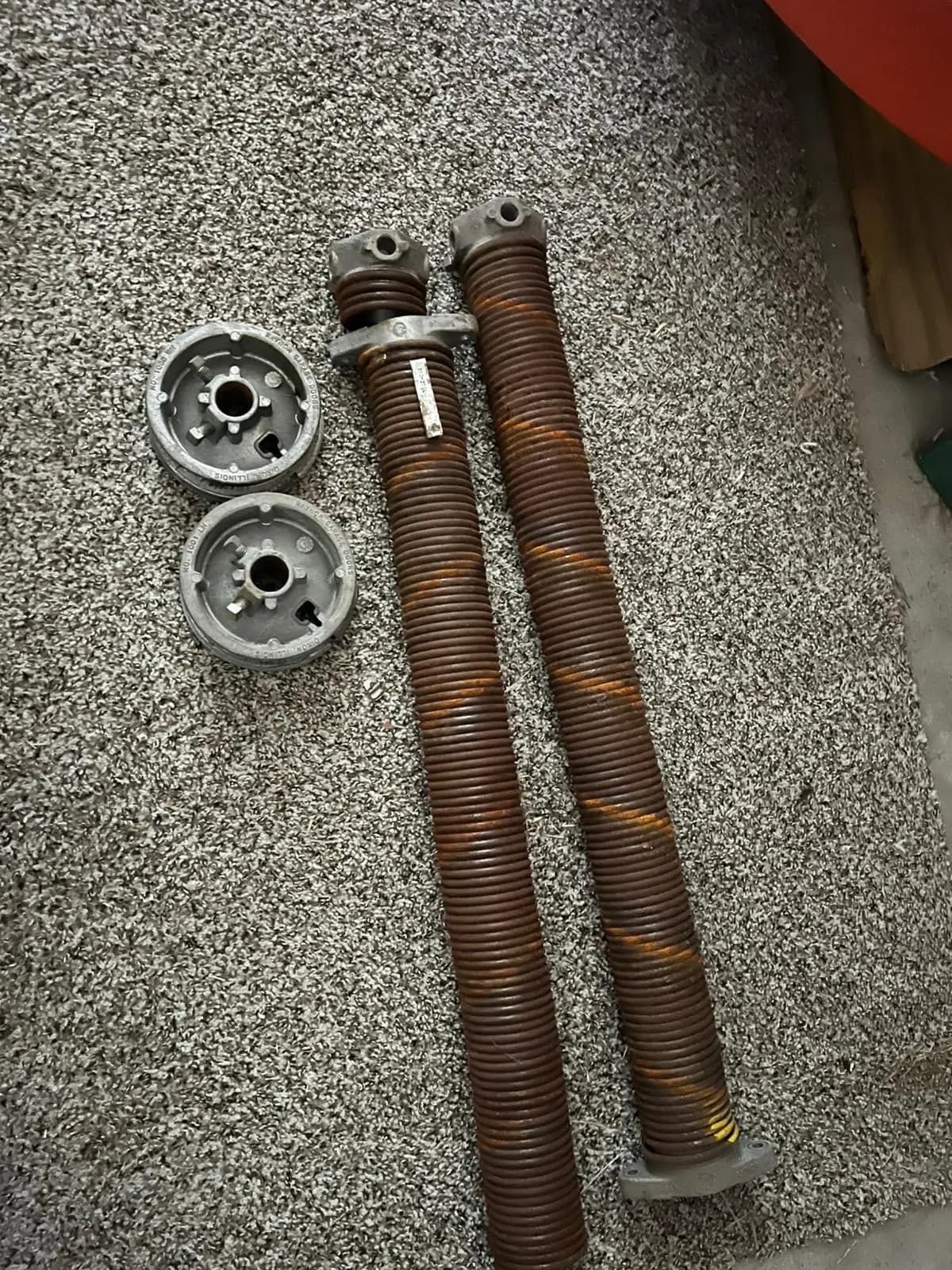
Yes, and it's one of the most common causes of an early break. Rust pits the surface of the wire, and each pit is a weak point where a fatigue crack can start. Rust also adds friction between the coils, so the spring works harder every cycle.
The source of the moisture depends on where you live. In Central Florida, humid air and summer storms keep garages damp for months. Our Orlando broken spring repair page covers how that humidity affects hardware there. In northern cities, melting snow and road salt dripping off cars do similar damage over the winter.
Why do springs break in cold weather?
Steel becomes a little less forgiving in deep cold. A spring that is already near the end of its life, with small cracks in the wire, is more likely to finish breaking on a frigid morning. Cold also thickens old grease on the door's moving parts, so the door is stiffer to move and the spring and opener carry extra load.
This is why spring calls in northern markets tend to rise during the first hard freezes. Cold doesn't usually break a healthy new spring. It finds the one that was already close.
Can the wrong spring size cause a break?
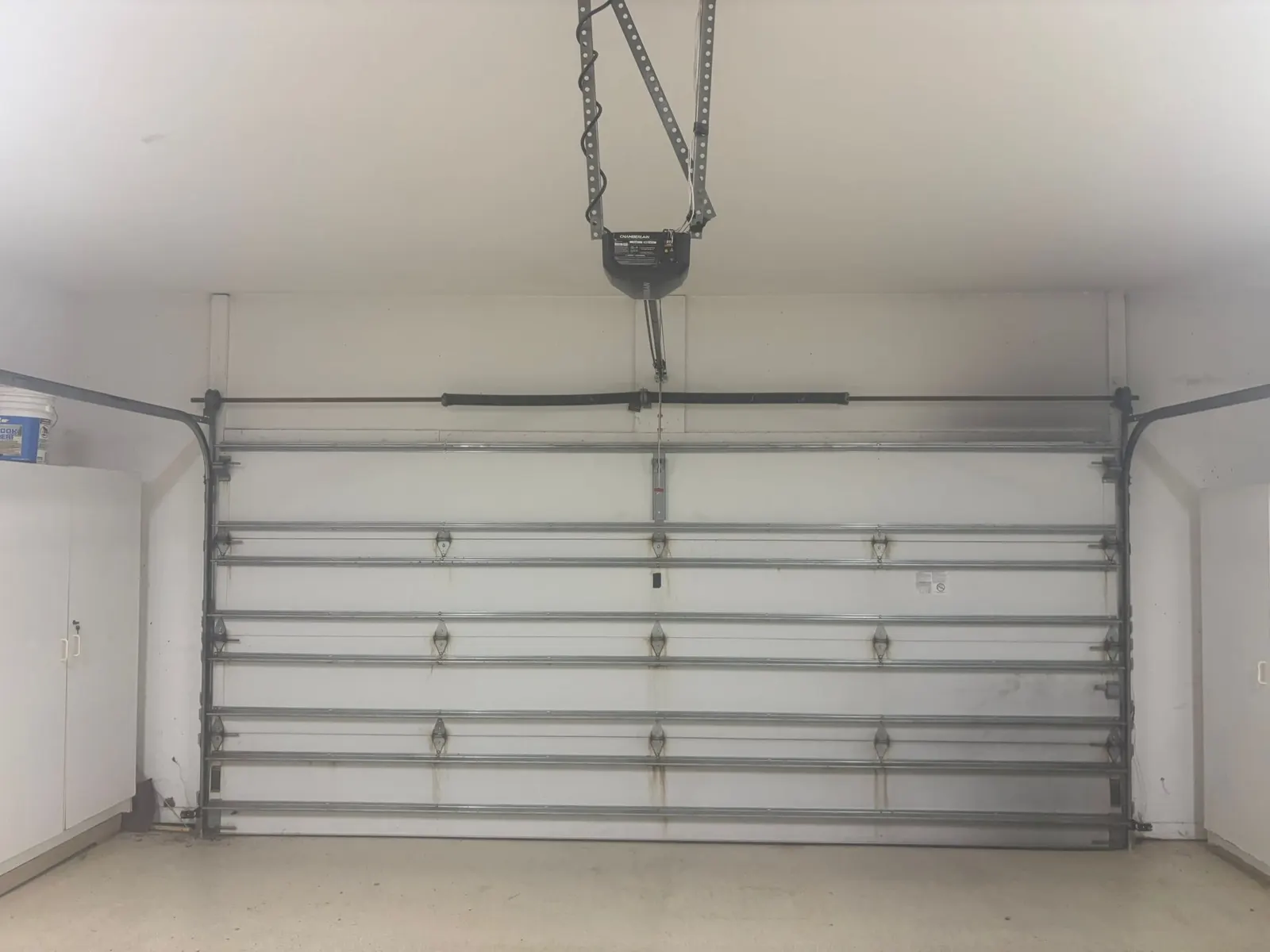
Yes. Springs are matched to the door's weight, height and drum size. A spring that is too weak is overworked on every cycle. A spring that is too strong for the door throws off the balance. A mismatched pair, where two springs of different strengths share one door, puts more of the load on one side.
This often happens after a quick replacement with whatever spring was on hand, or after the door itself changed. Adding insulation, a window section, or a heavier replacement panel increases the door's weight. If the springs weren't re-sized at the same time, they are now working harder than they were designed to.
Does an unbalanced door wear out springs faster?
It does. When a door is balanced, the springs carry almost all of its weight and the opener just guides it. When the door is out of balance, from a stretched cable, worn bearings, binding rollers or springs that have lost tension, every cycle is harder on the springs and the opener alike.
DASMA, the garage door industry association, recommends a simple balance test. With the door fully closed and the springs intact, pull the emergency release and lift the door by hand to about halfway. A balanced door stays roughly in place. If it falls or rises on its own, stop and have it serviced. Don't try to adjust the spring tension yourself; that is the step where people get hurt.
Does how often you use the door matter?
Directly. Spring life is counted in cycles, not calendar time, so a household that uses the garage as its main entrance will wear out springs much faster than one that opens the door once a day. Teenagers coming and going, a home workshop or a garage gym can double daily use without anyone noticing.
If your door runs many times a day, ask about higher-cycle springs when yours are replaced. They are built with heavier wire or a longer coil to handle more cycles before fatigue sets in.
Does spring quality or coating make a difference?
It can. Springs are made from different grades of wire and finished in different ways. Common finishes include oil-tempered springs, which are dark and have a light coat of oil, and galvanized or powder-coated springs, which have a protective outer layer. Coated springs tend to resist rust better, which matters in damp garages and in places where salty slush drips onto the floor all winter.
The wire matters more than the color. A spring wound from heavier wire for the same door spreads the stress over more steel and usually lasts more cycles. When springs are replaced, it is worth asking what cycle rating the new ones carry and whether the finish suits your climate. A cheaper spring that fits the door today but is rated for fewer cycles simply brings the next break closer.
What makes a single-spring setup more likely to fail?
Many builder-grade doors use one torsion spring to save cost at construction. A single spring has no backup. When it breaks, the door loses all of its lift at once. On wider or heavier doors, a single spring may also be working near its limit every day. Switching to a two-spring setup during a replacement spreads the load and can improve balance. Two-car doors and insulated doors are the most common candidates, so ask whether your door would benefit when the time comes.
Can you prevent garage door springs from breaking?
You can't prevent fatigue, but you can avoid the things that speed it up.
- Have the door's balance and springs checked during routine maintenance
- Replace both springs together on a two-spring door
- Ask for springs sized to your door's actual weight after any upgrade
- Consider higher-cycle springs if the garage is your main entrance
- Keep the garage as dry as you can and deal with rust early
- Stop using the door if it starts to feel heavy, jerky or crooked
When should you have springs inspected?
Have them looked at if the door feels heavier than it used to, the opener strains, the door won't stay put during the balance test, or the springs show rust or gaps. A spring that is checked before it breaks can be replaced on your schedule rather than on a cold morning with the car stuck inside.
Routine garage door maintenance includes a spring and balance check. If one has already snapped, our broken spring repair service replaces it with springs sized for your door. Call (888) 754-4130 to schedule.