
How Long Do Garage Door Springs Last?
By the H&D Garage Door team · Updated
How long do garage door springs last?
Garage door springs are rated in cycles, and many standard springs are rated for about 10,000 cycles. One cycle is the door opening once and closing once. At about four cycles a day, that works out to roughly seven years. Use the door more and the springs wear out sooner; use it less and they last longer.
That rating is a starting point, not a promise. Rust, cold, a door that is out of balance and springs that were sized wrong can all shorten spring life. When a spring reaches the end, it usually breaks, often with a loud bang and often at an inconvenient time. Knowing roughly where your springs are in their life helps you plan broken spring repair instead of being surprised by it.
How do you estimate the life of your springs?
Count how many times your household opens and closes the door on a typical day. Then divide the spring's cycle rating by that number to get days, and divide by 365 for years. If you don't know your spring's rating, assume a standard one.
The math changes quickly with use. A family that uses the garage as the main entrance, with several drivers coming and going, can easily run the door eight or more times a day. Here is what that looks like with a 10,000-cycle spring.
- 2 cycles a day: roughly 13 to 14 years
- 4 cycles a day: roughly 7 years
- 6 cycles a day: roughly 4 to 5 years
- 8 cycles a day: roughly 3 to 4 years
Do torsion and extension springs last the same amount of time?
Both types are rated in cycles, and both are made in standard and higher-cycle versions. What differs is how they work and how they fail.
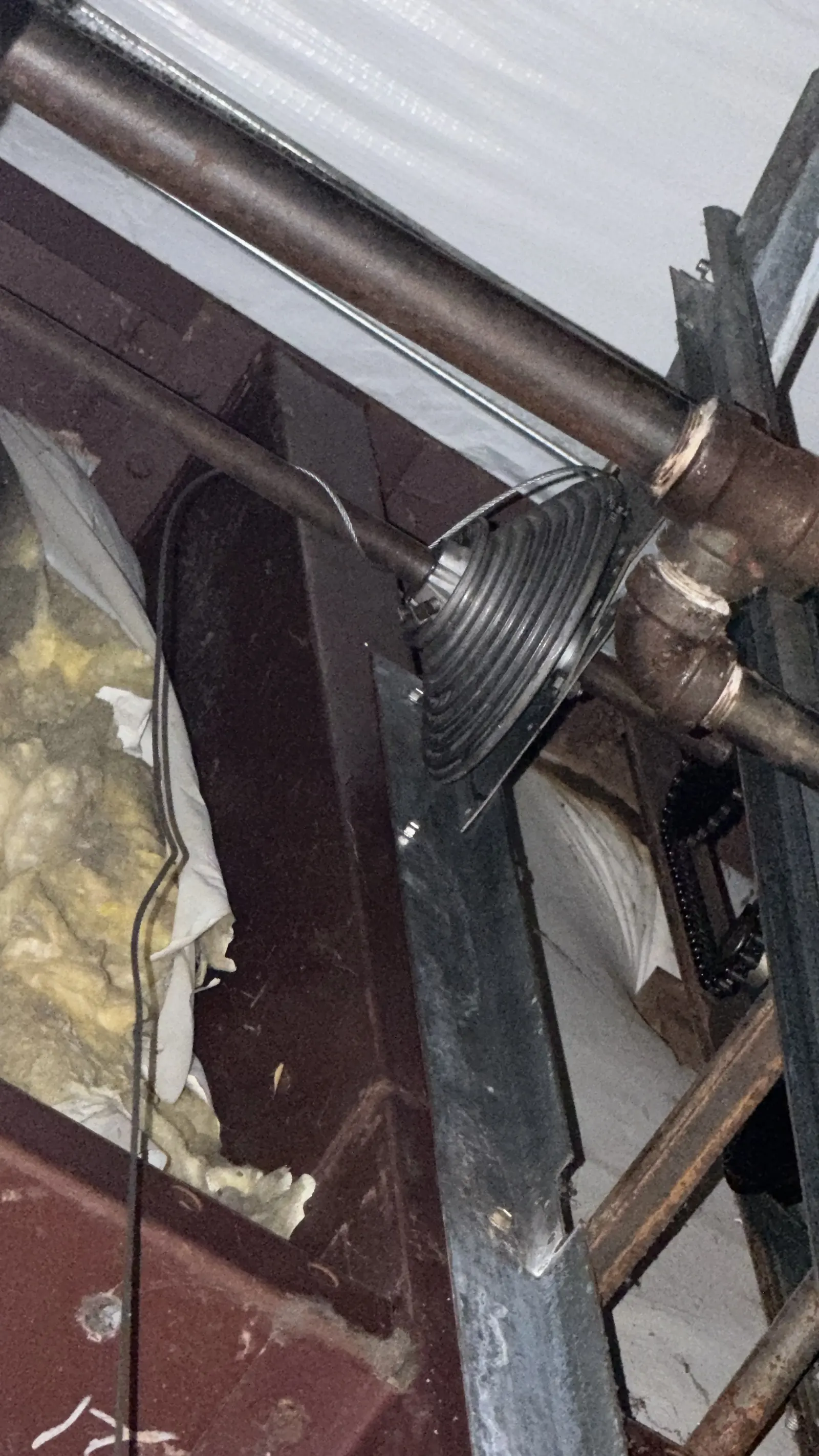
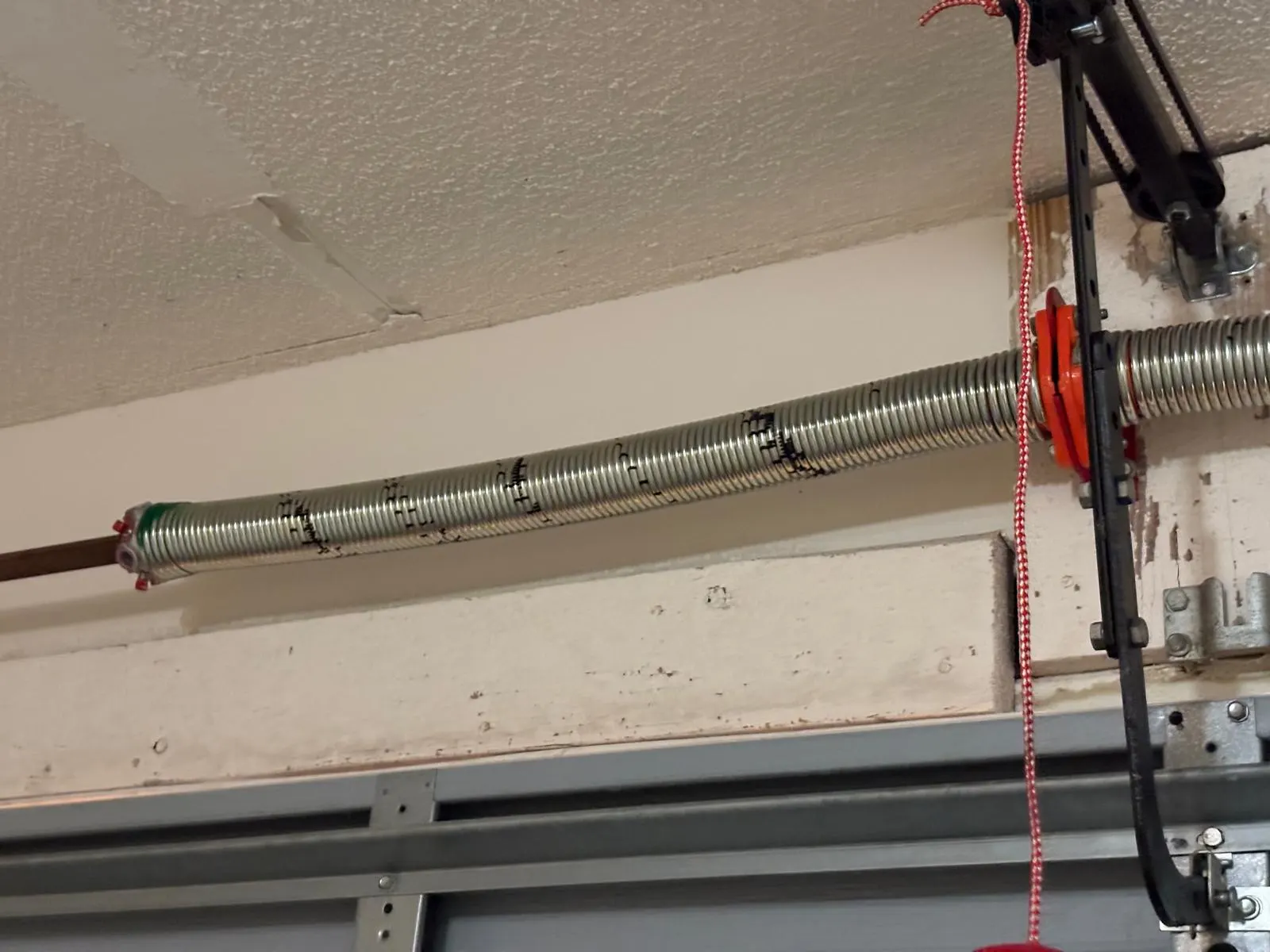
Torsion springs sit on a bar above the door and twist to lift it. They are common on newer doors and give smoother, more controlled lifting. Extension springs run along the horizontal tracks on each side and stretch as the door closes. They are more common on older and lighter doors, and they should have safety cables running through them so a broken spring does not fly across the garage.
If you are not sure which type you have, look above the door and along the tracks from a safe distance. Do not touch or adjust either type. Both hold enough energy to cause serious injury.
How does a technician choose the right replacement spring?
Springs are sized to the door, not picked by eye. A technician considers the door's weight and height, the drum size and the track setup, then chooses the wire size, length and inside diameter that balance it. A heavier insulated or wood door needs a stronger spring than a light steel door of the same size.
That is why swapping in a spring that only looks similar can leave the door out of balance and shorten the life of both the new spring and the opener. Never try to measure, wind or swap a spring yourself.
What shortens the life of a garage door spring?
Heavy use is the main factor, but conditions in your garage matter too.
Rust is a big one. Corrosion on the coils adds friction and weakens the steel, so a rusty spring often breaks well before its rating. Humid climates like Central Florida are hard on springs for this reason. Cold is another. In places like Cleveland and Milwaukee, low temperatures make steel less forgiving and stiffen lubricant, so a spring already near the end often gives out on a cold morning. Our Cleveland service page covers the areas we serve there.
A door that is out of balance, a spring that was the wrong size for the door, and parts that have never been lubricated all add strain. Routine garage door maintenance checks balance and spring condition so you get the most out of your springs.
What are the signs your garage door springs are wearing out?
Springs usually give warnings before they break. Watch and listen for these, and if you notice any of them, have the door inspected before the spring fails completely.
- The door feels heavier than it used to or the opener strains to lift it
- The door won't stay put when partly open and drifts down
- The door opens unevenly or one side rises faster
- Visible rust or gaps forming between the spring coils
- Squeaking or creaking from the spring area during travel
- The door opens only a few inches and stops
What happens if you keep using a door with worn springs?
A worn spring lifts less of the door's weight, so the opener makes up the difference. That strains the motor and drive gear, wears the cables, and can trigger error codes or a door that stops partway. When the spring finally breaks, the door may drop faster than expected or refuse to open with your car inside. If the door feels heavy, drifts down when partly open or rises unevenly, schedule an inspection instead of waiting for the bang.
Are high-cycle springs worth it?
High-cycle springs are built to handle more cycles than a standard spring, usually by using heavier wire or a longer spring. They make the most sense when the garage is your main entrance, when several drivers use the door every day, or when you plan to stay in the home for a long time.
They are not necessary for every door. If your garage door opens a couple of times a day, a standard spring may last many years. Ask your technician which rating fits your door and how you use it.
Do commercial garage door springs wear out faster?
Often, yes. Commercial doors can cycle many times a day, so a standard spring may reach its rating quickly. That is why high-cycle springs are common on busy loading and service doors, where a broken spring can stop deliveries. A business can estimate spring life the same way a homeowner can, by counting cycles, and plan replacement before a failure. See commercial garage door repair for the doors we service.
Should you replace both springs at the same time?
If your door has two springs, replacing both at once is usually the better choice. They were installed together and have gone through the same number of cycles, so when one breaks, the other is close behind. A new spring paired with an old one also pulls unevenly, which can throw off the door's balance.
If a spring has already broken, stop using the door. The opener is not designed to lift the full weight of the door, and forcing it can damage the opener or bring the door down. If the door is stuck open or your car is trapped, ask about emergency garage door repair, or contact us to schedule the earliest available visit.