
Can I Replace My Garage Door Opener Myself?
By the H&D Garage Door team · Updated
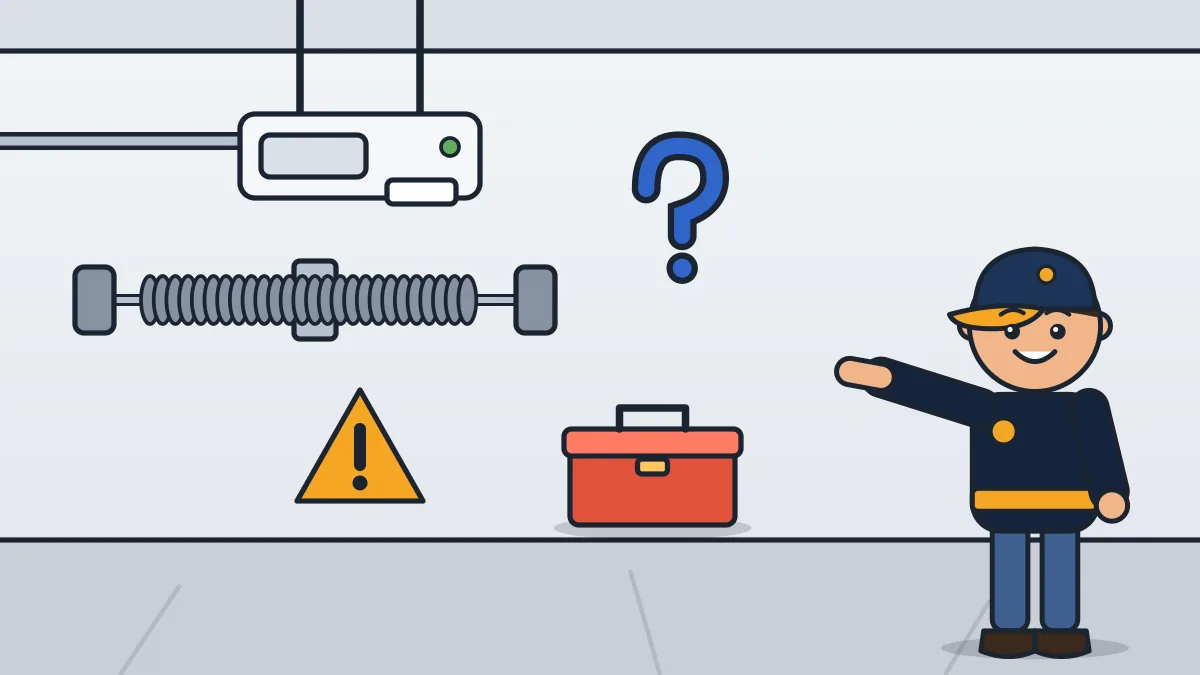
Can you replace a garage door opener yourself?
Yes, a handy homeowner can often replace a garage door opener, as long as the door itself is balanced and in good working order. Retail openers are sold with instructions for homeowners. The opener is the one part of the system that does not hold spring tension, so it is the most DIY-friendly part.
The catch is that the opener is only as good as the door it is attached to. If the springs are worn, the cables are fraying or the door is out of balance, a new opener will strain and fail early, and the job is no longer a simple swap. Plan on most of a day for a first-time install, plus a helper.
What does replacing a garage door opener involve?
A typical replacement has several stages. The steps vary by model, so always follow the manufacturer's instructions for the opener you buy.
- Disconnecting power and removing the old opener, rail and mounting hardware
- Assembling the new rail and attaching the drive (chain, belt or screw)
- Fastening the header bracket above the door and hanging the motor from the ceiling framing
- Connecting the door arm to the bracket on the top section of the door
- Mounting and wiring the photo-eye sensors and the wall control
- Setting the travel limits and force settings
- Testing the auto-reverse feature and programming remotes and keypads
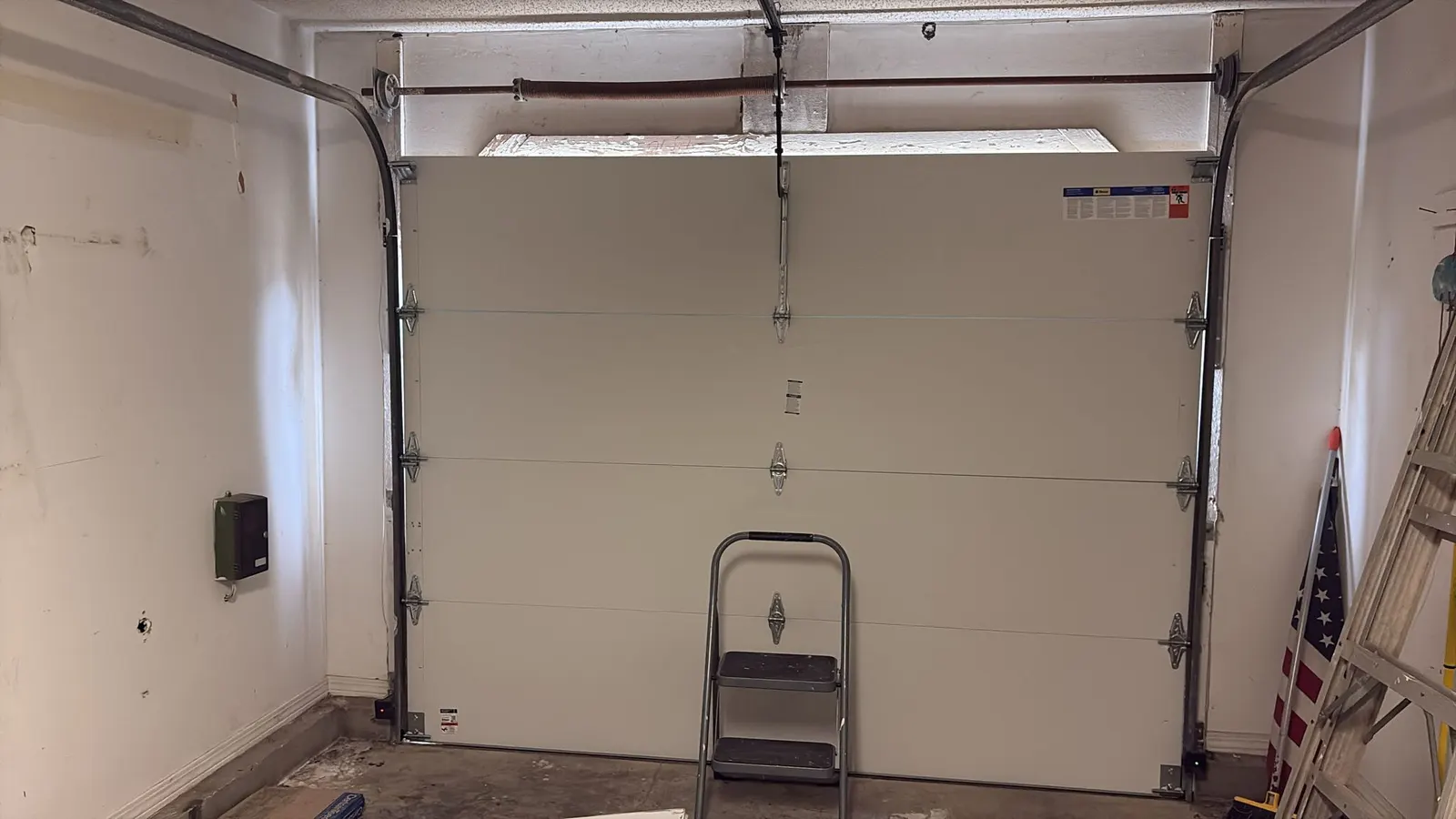
What are the risks of DIY garage door opener replacement?
Most problems come from three places: the mounting, the safety settings and the door itself.
Mounting. The motor unit is heavy and is installed overhead, often from a ladder. It has to be fastened to solid framing, not drywall or a thin strip of wood. A loose mount vibrates, shifts the rail and wears the drive.
Safety settings. The photo eyes and force settings are what stop the door from closing on a person, pet or car. If the eyes are mounted too high or the force is set too high to "fix" a door that binds, the auto-reverse may not work when you need it. Test it after installation by placing an object such as a piece of wood in the door's path and confirming the door reverses.
The door. The opener is attached to a door held up by springs under high tension. Do not adjust, loosen or remove springs, cables, drums or the bottom brackets as part of an opener job. Those parts can cause serious injury, and they are a job for broken spring repair or cable repair.
Why does door balance matter before you install a new opener?
The opener is designed to guide a balanced door, not lift a heavy one. When the springs are doing their job, the door feels light and stays put when it is partly open. When springs weaken with age, the opener has to make up the difference. It may still work, but the gears, belt and motor wear out much faster.
That is why an opener that "just died" is sometimes a symptom of a spring problem. If your old opener was straining, slowing down or making grinding noises before it failed, have the door checked before installing a new one. A technician can test balance and spring condition safely.
How do you choose the right garage door opener?
The main choice is the drive type. Chain drives are sturdy and common but louder. Belt drives are quieter, which matters if you have a room above or next to the garage. Screw drives have fewer parts. Wall-mounted jackshaft openers mount beside the door on the torsion bar and free up ceiling space, but they only work with certain door setups.
Also consider horsepower for your door's size and weight, battery backup for power outages, smart-phone control, and the rail length for your door height. If you are unsure, our garage door opener installation page explains the options.
When should you hire a professional instead?
Hire a pro if the door is heavy, oversized, out of balance or has spring or cable damage. The same goes for a door that is crooked, binds in the track, or if you are not comfortable working overhead with a heavy unit on a ladder. Unusual ceilings, such as low headroom or a sloped ceiling, may need special mounting hardware.
If your current opener is acting up but is not very old, it may be repairable. Check our opener repair page first, or read how to decide between repairing and replacing an opener. In Central Florida, where storm surges often damage opener boards, see our Orlando opener repair page. If you would rather have it installed, contact us and we will check the door's balance and condition as part of the job.